
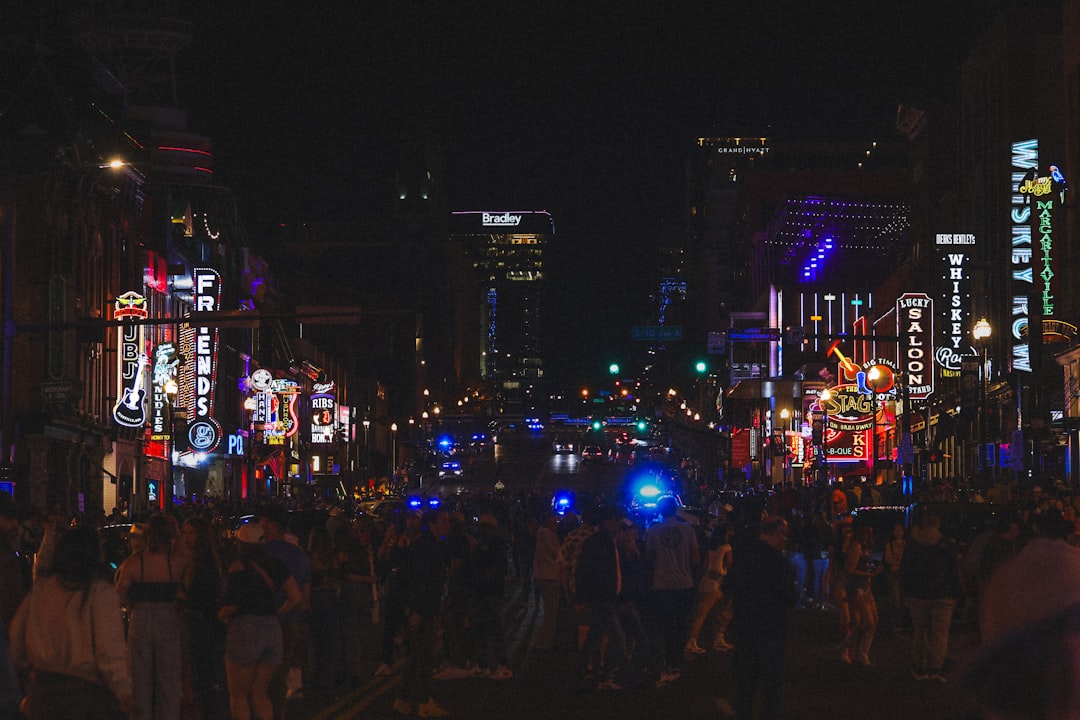
Nashville’s Evolving Musical Landscape
Nashville, Tennessee, widely known as a live music hub, is witnessing a significant transformation in its musical identity. While the city has long been associated with country music, the reality is that a diverse range of genres is thriving here. Artists are redefining what it means to be in ‘Music City,’ as the area embraces a broader spectrum of musical expression.
The Grand Ole Opry, established in 1925, remains a landmark venue for country music, but it also signifies a historical transition in Nashville’s music scene. The Ryman Auditorium, originally a gospel venue in 1892, has evolved over the years, hosting everything from country legends to major pop acts today. This evolution illustrates Nashville’s ongoing musical diversity, which includes a rich history of R&B performers like Sam Cooke and Etta James, who graced the city’s stages in the 1960s.
The late 1960s marked the birth of the Nashville Sound, a fusion of country and pop that included artists such as Patsy Cline and Chet Atkins. This blending of styles continued, with rock influences emerging through performances by Elvis Presley and Wanda Jackson. Little Richard also began his career in Nashville’s R&B clubs during this time, showcasing the city’s eclectic roots.
Fast forward to the past decade, and Nashville is increasingly recognized as a destination for artists across all genres, including rock, folk, pop, and indie. The influx of established artists like Jack White and Dan Auerbach has played a pivotal role in this transformation. White’s Third Man Records has become a central hub for rock, punk, and blues, while Auerbach’s Easy Eye Sound studio produces a variety of genres.
Recent years have seen pop and alternative stars like Kesha and Phoebe Bridgers collaborate with Nashville’s producers, further blurring genre lines. Even artists who do not relocate to Nashville are influenced by the city’s creative environment. Beyoncé’s 2024 album “Cowboy Carter” features contributions from Nashville-based musicians, illustrating the city’s impact on contemporary music.
Nashville’s infrastructure supports this artistic expansion, with over 100 recording studios concentrated between Music Row and Berry Hill. This accessibility, combined with lower costs compared to other major music cities, attracts artists at all levels. Blackbird Studios, for instance, has hosted a wide array of artists, including Coldplay and Justin Bieber, showcasing Nashville’s versatility.
Additionally, local college students are driving this musical evolution forward. At Vanderbilt University, students are forming indie bands and performing at local venues like The End and Exit/In. Young artists are utilizing at-home studios to produce their music, with many leveraging social media for promotion. Katherine Noonan, a Vanderbilt graduate, shared her experience of creating and releasing her first album entirely from her own studio.
The younger generation is also witnessing a genre fluidity, with artists like Taylor Swift having transitioned from country to pop. Similarly, Post Malone and Beyoncé have explored country music after establishing themselves in rap and pop, respectively. Artists like Kacey Musgraves and Chris Stapleton further illustrate how the lines between genres are being redefined.
While country music will always hold a significant place in Nashville, the city’s evolving soundscape reflects a commitment to musical diversity. As Nashville continues to grow as a creative epicenter, it opens doors for both emerging and established artists, fostering an environment rich in innovation and collaboration. This transformation ensures that Music City remains a vibrant hub for all genres of music, appealing to creators and audiences alike.