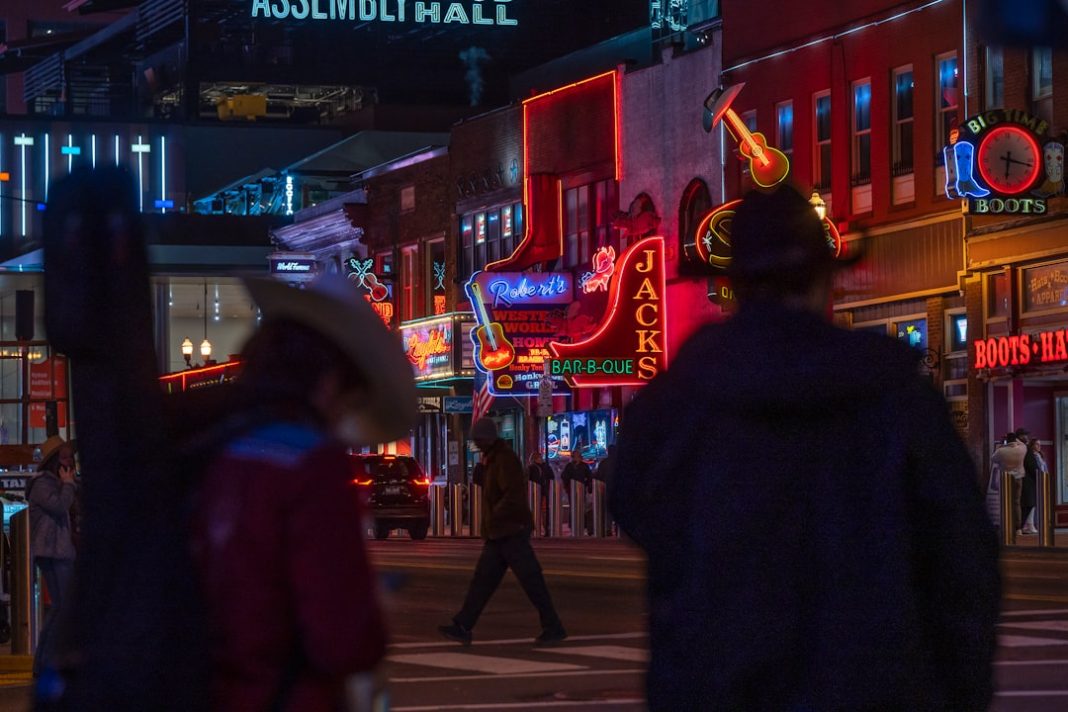
This fall, A.B. Eastwood encountered something unexpected in a recording studio: a co-producer suggested they use Suno, an AI music platform, to alter their song’s genre before they’d even finished writing it. Eastwood, a seasoned Nashville producer, found it jarring. “It felt like cheating,” he said. He’s not alone in his discomfort with AI’s growing presence in music production.
AI-generated music is becoming increasingly mainstream. From AI avatars hitting the charts to platforms using algorithms to create new tracks, the music landscape is changing rapidly. This shift feels reminiscent of the arrival of Napster and drum machines—significant milestones that have forever altered the industry. Musicians are still recovering from the fallout of the COVID-19 pandemic and grappling with fair compensation in a market dominated by streaming services. It’s a recipe for anxiety.
While some major labels, like Warner Music Group, are embracing AI tools to enhance their production, many Nashville artists view this technology as a threat to their livelihoods and creativity. Eastwood highlighted his concern that AI could stifle the very human process that drives artistic innovation. Getting stuck creatively can lead to breakthroughs, but AI cuts short that struggle.
“I know for a fact I didn’t like it,” Eastwood recalled, expressing frustration with the idea of AI taking over writing sessions. His worries extend beyond artistic integrity; he sees fellow industry professionals, including mastering engineers, losing work because of generative AI’s automated processes. “It’s Pandora’s box,” he warned. “It’s open, and it’s not going to close.”
But some in Nashville are taking action. Lili McGrady and her startup Humanable aim to protect artists by certifying music as human-made. This initiative emerged from conversations about the fear that generative AI could threaten the financial futures of local musicians. McGrady noted that young artists, who have just landed publishing deals, are particularly anxious about AI undermining their hard-won progress.
“A conservative estimate right now is that in two years, at least 24 percent of royalties from actual human music creators is going to be gone due to AI music and streaming fraud,” McGrady stated, highlighting a looming financial crisis for the music industry. At risk is not just artists’ income but the authenticity that defines Nashville’s music scene.
Humanable’s certification process requires artists to sign an affidavit confirming that their work is free from AI influence. This effort aims to uphold the value of human-created music in a rapidly evolving landscape. Artists like Jennie Hayes Kurtz from the Americana duo Brother and the Hayes echo these sentiments, feeling the urgency to protect their craft from AI’s encroachment.
Hayes noted an uptick in students using AI to generate their songs during songwriting workshops, raising concerns about the creative process being diluted. As debates around AI’s role in music continue, the onus to protect artistic integrity may fall on creators themselves, especially if legislative actions lag behind.
Local government responses have been mixed. While states like Tennessee have enacted laws to address AI and deepfake technologies, the federal landscape is still shaping up. Following President Trump’s executive order to standardize AI regulations, there’s uncertainty about future protections for artists. Without meaningful regulation, musicians may have to fend for themselves.
The challenge is clear: AI-generated content is rising, and it’s already making waves in the music charts. Artists like Breaking Rust have found success with AI-produced tracks, sparking debates about authenticity in a genre that prides itself on real-life narratives and emotional depth. Eastwood expressed disbelief that country music, known for its gatekeeping tendencies, is letting AI take the reins.
Advocates like McGrady believe education is key. Consumers need to know what they’re supporting. “A Humanable toggle,” she proposed for streaming services, could help listeners differentiate between human-made and AI-generated music. Until such measures are in place, artists need to engage their fans more directly, emphasizing the value of supporting live performances and physical music purchases.
As the threat of generative AI looms large in Nashville, Eastwood and Hayes remind us that the heart of music lies in human connection and community—elements that AI simply cannot replicate. “What’s so cool is the human relationship that music creates,” Hayes concluded. “AI cannot do that.”
For more insights on the issue, check out the official announcement on generative AI in music.
For guidance on navigating this changing landscape, visit keyword.