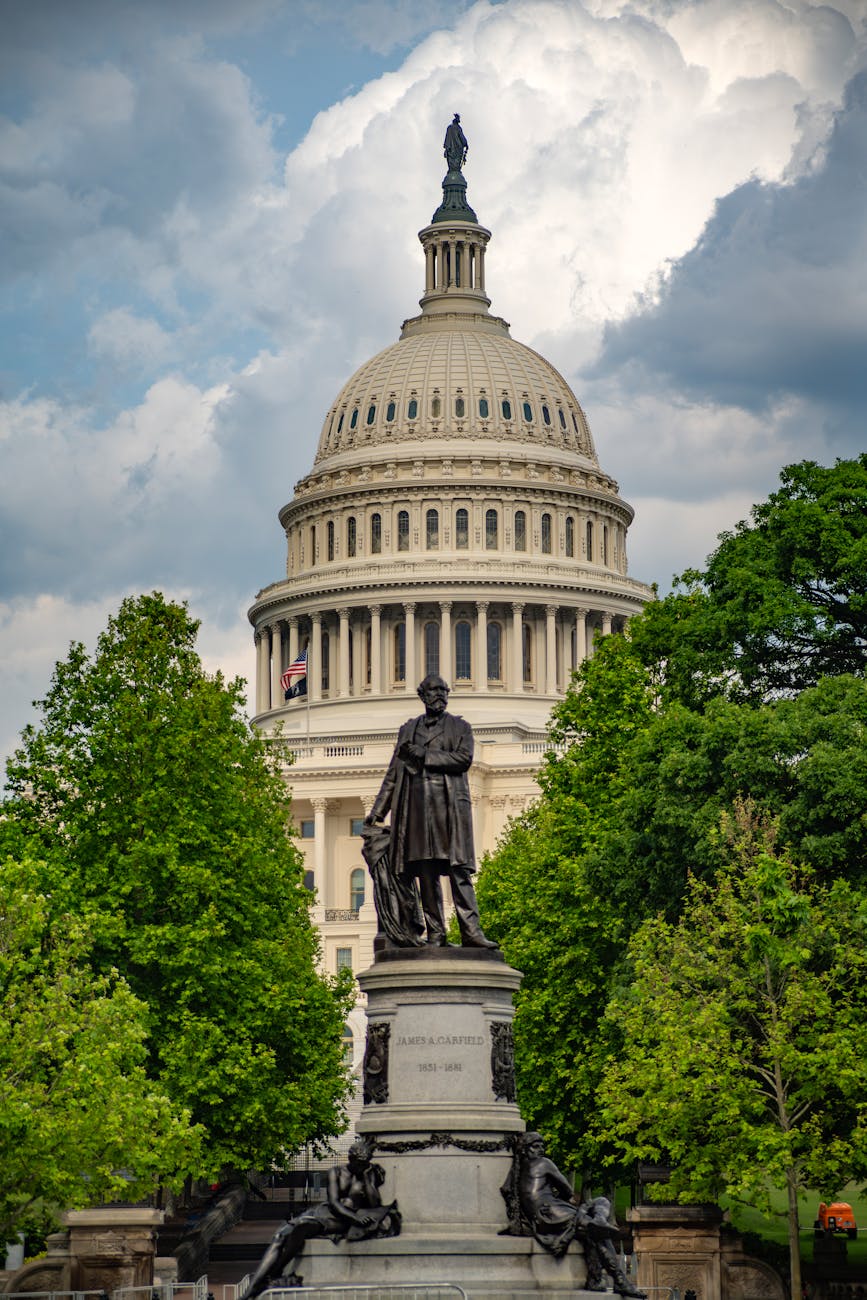
Senate Republicans Overcome Stalemate with Nuclear Option
In a daring move, Senate Republicans have successfully confirmed 48 nominees put forth by former President Donald Trump, breaking through a persistent blockade orchestrated by Democrats. This decision, often referred to as a ‘nuclear’ option, underscores the escalating tensions in the Senate and highlights the GOP’s determination to fill key positions within the administration, despite significant opposition.
The Context Behind the Blockade
The Democrats’ resistance to these nominees has been a long-standing issue, characterized by delays and strategic obstructions aimed at stalling the confirmation process. This blockade has been seen as an effort to restrict Trump’s influence and reshape the federal landscape. However, the GOP’s decisive action signals a shift in strategy, showing that they are willing to take bold steps to ensure their agenda continues to move forward.
What the Nuclear Option Means
The term ‘nuclear option’ refers to a significant change in Senate rules that allows a simple majority to confirm nominees, as opposed to the traditional supermajority of 60 votes. By employing this tactic, Senate Republicans have effectively sidestepped the need for bipartisan support, indicating a stark departure from previous norms in the confirmation process. This maneuver not only expedites the approval of candidates but also sets a precedent that may be utilized in future confirmations, regardless of which party is in power.
Implications for Trump’s Administration
With these 48 nominees now confirmed, Trump’s administration gains a considerable advantage in implementing its policies. These positions span various sectors, from judicial appointments to key administrative roles, each playing a crucial part in shaping the direction of government operations. The GOP’s ability to push through these confirmations reflects their commitment to solidifying their influence and advancing their legislative agenda, even in the face of considerable pushback.
The Future of Senate Dynamics
This bold maneuver by Senate Republicans may have longer-term implications for how the Senate operates. As the political landscape continues to evolve, the willingness to use such drastic measures could lead to an increasingly partisan atmosphere, where cooperation becomes an exception rather than the rule. The fallout from this decision will likely reverberate through future sessions, as both parties reassess their strategies in a divided chamber.
Questions
What does the use of the nuclear option mean for future Senate confirmations?
How might this change the dynamic between the two parties moving forward?
What impact will these nominees have on the administration’s ability to govern?