Protesters Take a Stand Against ICE
In a bold move that has garnered attention across the nation, New York officials, including Public Advocate Jumaane Williams, were arrested during a heated anti-ICE demonstration. This protest, fueled by rising tensions surrounding immigration enforcement policies, saw activists gathering to voice their dissent against the Immigration and Customs Enforcement agency, which many believe has overstepped its bounds. With a diverse group of participants, the protest stood as a testament to the growing unrest regarding immigration practices and the treatment of undocumented individuals.
Significance of the Protest
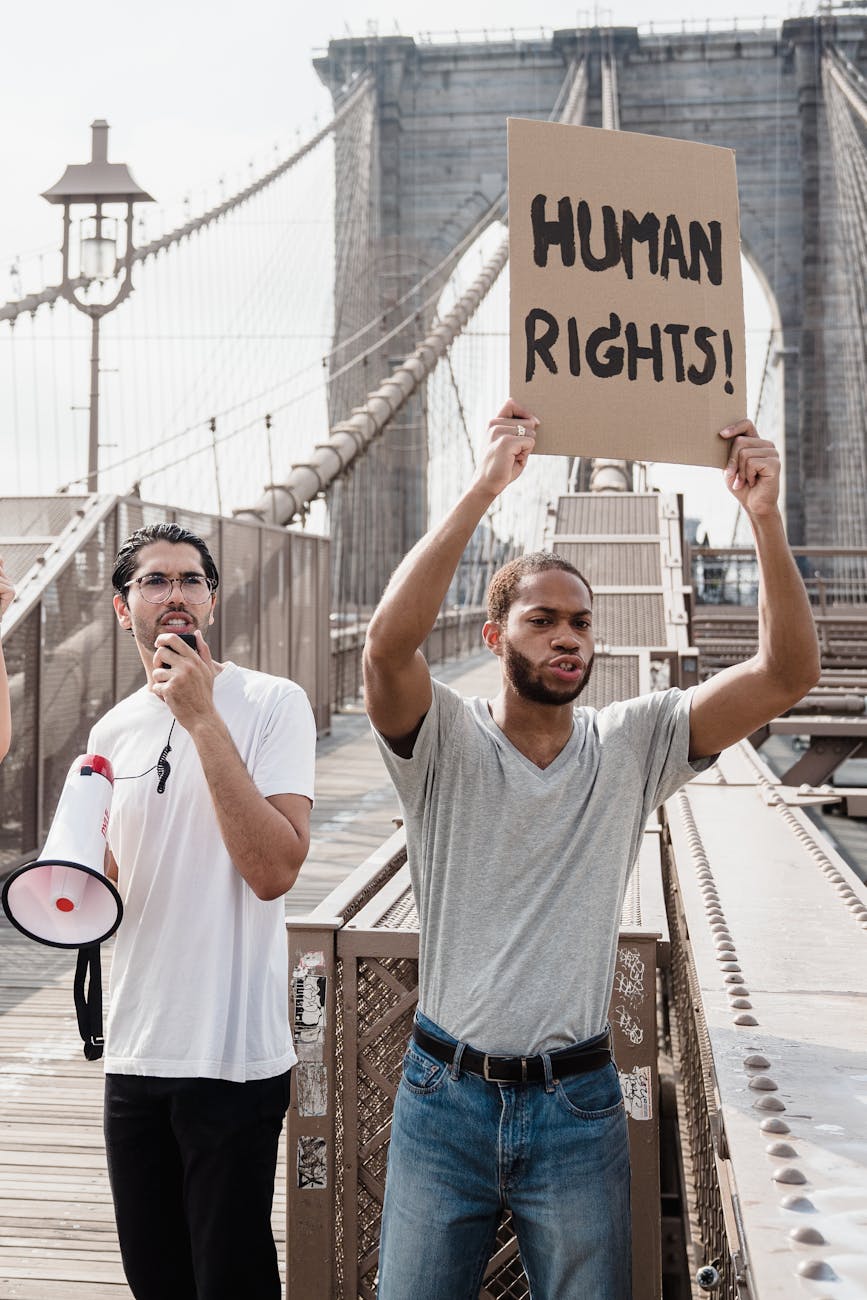
The demonstration was more than just a gathering; it was a manifestation of frustration directed at perceived injustices and aggressive deportation tactics. Activists rallied together, waving signs and chanting slogans that called for the abolition of ICE and emphasized the need for humane immigration practices. The presence of high-profile officials like Jumaane Williams added weight to the protest, highlighting the intersection of political advocacy and grassroots activism. Many viewed his participation as a courageous stand, bridging the gap between elected officials and constituents.
Details of the Arrests
As the protest escalated, tensions between demonstrators and law enforcement grew. The arrests, including that of Williams, came after participants engaged in civil disobedience by blocking streets and disrupting traffic. Eyewitness accounts describe a chaotic scene where police moved in to enforce order, leading to the detainment of several key figures. Officers reportedly used physical force to remove protesters from the streets, raising concerns about the extent of police authority in managing public demonstrations. This aggressive response from law enforcement has sparked debates about the limits of protest and the rights of citizens to express their dissent.
Reactions and Implications
The arrest of public officials at such a demonstration raises important questions about the role of government representatives in activism. While some view their actions as a necessary step toward social justice, critics argue that it undermines their ability to govern effectively. The fallout from this event is likely to resonate within political circles, prompting discussions about the balance between advocacy and official duties. Some supporters hailed the arrests as a sign of solidarity with the immigrant community, while detractors expressed concern that such actions could alienate moderate constituents.
Furthermore, the media coverage of the protests and subsequent arrests has amplified the urgency of the immigration debate. With so many voices clamoring for change, the impact of this protest could lead to broader discussions on immigration reform, attracting attention from lawmakers and the public alike. The event serves as a reminder that the conversation around immigration is far from over, and the stakes are high for those directly affected.
Looking Ahead
As the dust settles from this protest, the conversation around immigration policies and the role of ICE continues to dominate public discourse. With politicians like Jumaane Williams directly involved, it remains to be seen how this incident will influence future demonstrations and policy changes. The stakes are high, and the passion surrounding this issue shows no signs of waning. Activists and community leaders are already planning additional gatherings to keep the pressure on lawmakers, ensuring that the demands for justice and reform remain at the forefront of public consciousness.
In this turbulent political climate, the actions of public figures taking part in protests can either galvanize support or create divisiveness. The coming weeks and months will be critical in determining the trajectory of the immigrant rights movement and whether it can sustain momentum in the face of opposition. As more citizens engage in activism, the potential for change becomes a realistic prospect, but only if the dialogue remains open and inclusive.
Questions
What impact do you think the arrests will have on future protests?
How do you view the role of public officials in grassroots movements?
Do you believe that civil disobedience is an effective strategy for enacting change?