Eleven NY Officials Arrested by Homeland Security at Federal Plaza
In a surprising turn of events, eleven elected officials from New York found themselves on the wrong side of the law when they were arrested by Homeland Security at Federal Plaza. This dramatic incident unfolded in a high-stakes environment, underscoring the tense atmosphere surrounding local governance and federal oversight. The stakes have never felt higher, and the implications of this event could ripple far beyond the confines of the city.
The group included ten state lawmakers, all identifying as Democrats, alongside New York City Comptroller Brad Lander. The suddenness of the arrests caught many off guard, raising eyebrows and prompting questions about the motivations and actions of these officials leading up to this moment. It’s not often that elected representatives find themselves in handcuffs, and the optics of such a scenario are bound to create political shockwaves.
Federal Plaza, located in lower Manhattan, serves as a significant hub for federal operations, making it an unexpected setting for such a confrontation. The presence of Homeland Security underscores the seriousness of the situation and hints at underlying tensions that may have culminated in this dramatic arrest. Observers are speculating about the reasons behind the arrests, with many pointing to potential civil disobedience or other actions that might have crossed legal boundaries. The fact that these officials were arrested within a federal building adds another layer of complexity, raising questions about jurisdiction and authority.
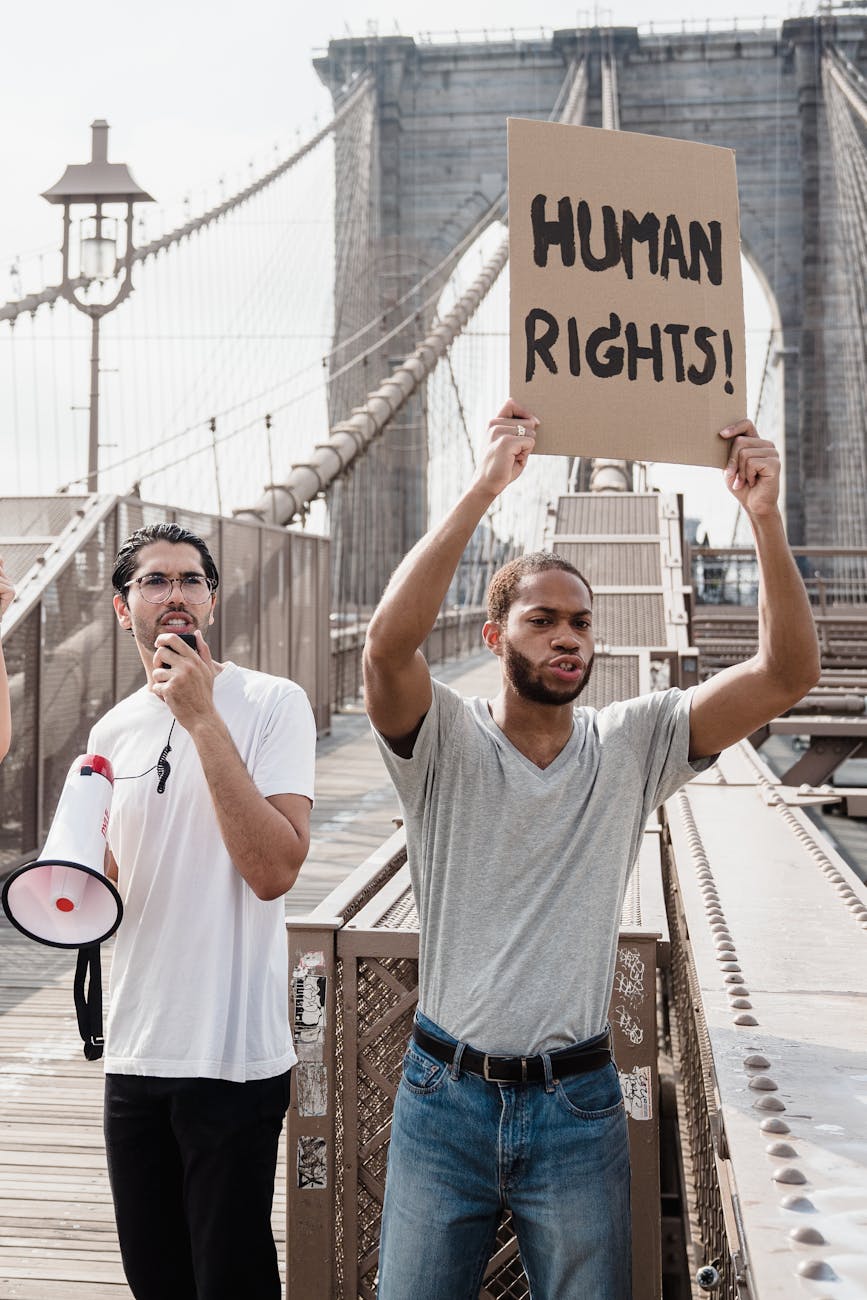
While specific charges have yet to be disclosed, the political ramifications are already beginning to stir. The event has ignited a firestorm on social media, with constituents divided over the actions of their representatives. Some rally behind their officials, asserting that they were standing up for the rights of the people, while others express outrage, claiming that such actions undermine the integrity of public office. This incident could serve as a critical moment for New York’s political climate, prompting a reevaluation of accountability and the responsibilities of elected officials.
The implications of these arrests extend beyond the individuals involved. As the narrative unfolds, it will be interesting to observe the reactions from both party leadership and the public. Will this incident lead to a push for greater transparency and accountability among elected officials? Or will it deepen the divisions within the party as members grapple with the fallout? The fact that all arrested officials share the same party affiliation could spark intra-party conflict, as some may seek to distance themselves from the actions of their colleagues.
Moreover, the incident raises broader questions about the relationship between local governance and federal oversight. How far can federal agencies go in policing the actions of state and city officials? This dynamic is already contentious, and the arrests may serve to exacerbate existing tensions. The political narrative is likely to evolve rapidly, with media outlets and political analysts dissecting every angle of the story.
As we await further details, the focus will undoubtedly shift to the future of these politicians. How will they navigate the legal landscape ahead? Will their constituents continue to support them, or will this incident lead to calls for accountability? What are the potential legal ramifications for the arrested officials, and how might this influence their political careers moving forward?
In a time when trust in public officials is waning, this incident serves as a stark reminder of the need for transparency and accountability in governance. The story is far from over, and the implications for both the arrested officials and their party will be closely scrutinized.
Questions
What specific actions led to the arrests of these officials?
How will this incident impact the political landscape in New York?
What are the potential legal ramifications for the arrested officials?