
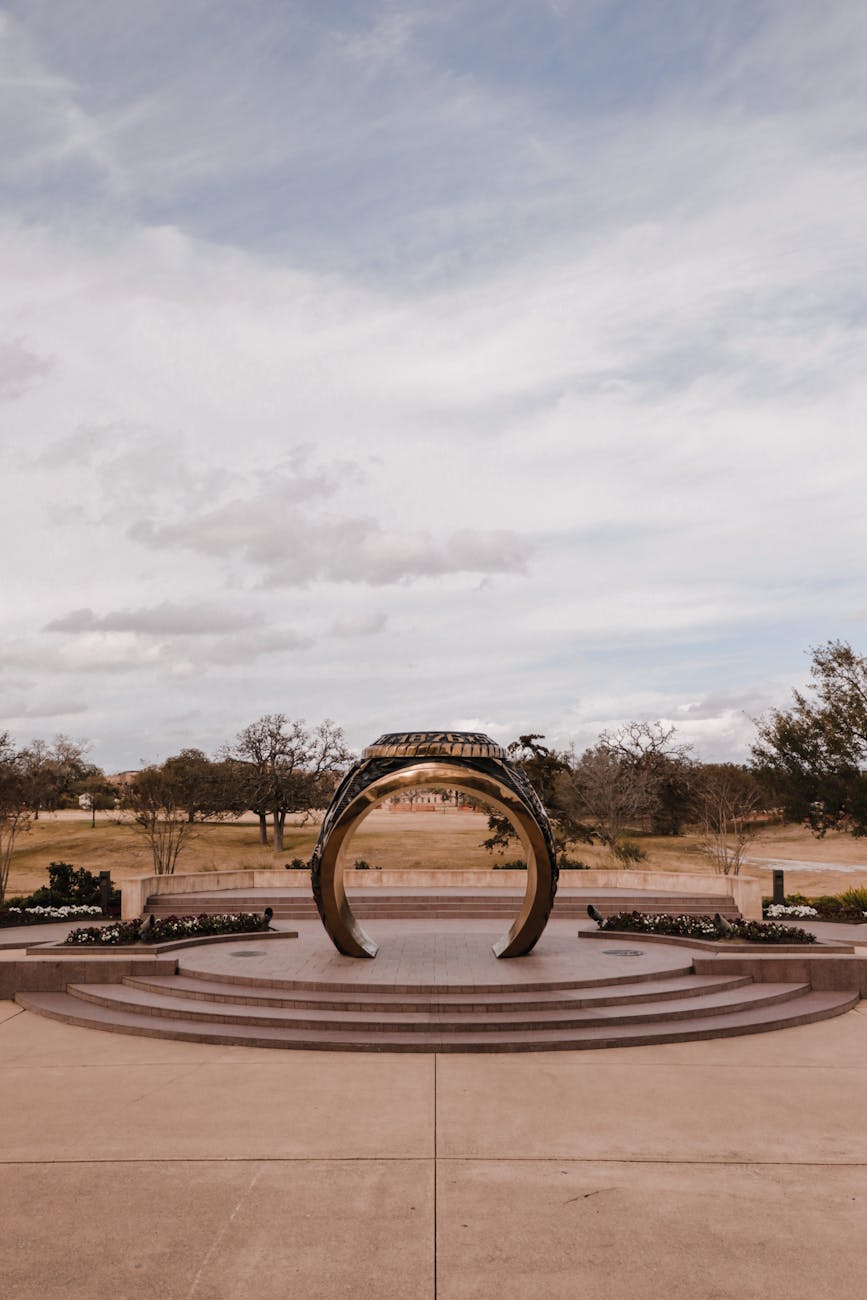

Texas A&M University Leadership Shake-Up
In a surprising move, Texas A&M University’s Board of Regents has officially ousted its president following a controversial viral video that sent shockwaves through the institution. The announcement was made on Thursday, September 18, and it marks a significant turning point for the university, which has been grappling with public perception and leadership accountability. This incident highlights the increasing pressure on educational institutions to maintain a public image that aligns with the values and expectations of their communities.
The Video That Changed Everything
The catalyst for the president’s dismissal was a video that quickly gained traction online, showcasing comments and actions that many deemed inappropriate or misaligned with the university’s values. Although the specifics of the video have been widely discussed, the essence remains clear: public figures, especially in academia, are under intense scrutiny, and any slip can lead to disastrous consequences. In this case, the comments made in the video were not only controversial but also reflective of broader societal issues, sparking outrage among students, faculty, and alumni alike.
Board of Regents’ Decision Explained
The Board of Regents, tasked with overseeing university governance, took swift action in light of the backlash generated by the video. Their decision was not made lightly; it reflects a growing trend among educational institutions to prioritize transparency and accountability. The board’s statement emphasized the need for leadership that embodies the core values of integrity and respect, especially in an era where public opinion can make or break a career. The regents recognized that the president’s continued leadership could hinder the university’s ability to move forward, prompting them to act decisively.
The Aftermath and Future Implications
With the president’s exit, questions loom over the university’s future direction. Who will take the reins? What will the new leadership bring to the table? The university community is left to grapple with these uncertainties as they navigate the fallout from this upheaval. Alumni, students, and faculty are all watching closely, aware that the next leader will have a monumental task ahead in restoring confidence and stability. The new president will need to address the concerns raised by the controversial video while also unifying a divided community.
Challenges Ahead for the New Leadership
The next president will face a daunting challenge: rebuilding trust and credibility within the university. They must engage with students and faculty to understand their concerns while also promoting a vision for the future that resonates with the values of the institution. This could mean implementing new policies aimed at fostering inclusivity and respect, as well as maintaining open lines of communication to ensure that all voices are heard. Additionally, the new leader will likely need to tackle the issue of social media engagement, recognizing its power to influence public perception.
Lessons Learned
This incident serves as a stark reminder that in today’s digital age, visibility comes with risks. Leaders must be more vigilant than ever about their public personas and the messages they convey. For institutions like Texas A&M, it’s a wake-up call to foster an environment where leadership is not only effective but also reflective of the community’s values and expectations. It’s crucial for educational leaders to engage in continuous self-reflection and to develop a heightened awareness of the impact their actions can have on the larger community.
Broader Implications for Higher Education
The controversy surrounding Texas A&M’s president is not an isolated incident; it reflects a larger trend within higher education where social media plays a pivotal role in shaping narratives. Institutions across the country are grappling with similar challenges as they navigate a landscape that demands accountability and responsiveness. The fallout from this incident could serve as a case study for other universities, prompting them to reevaluate their leadership structures and crisis management strategies.
Questions
What qualities should the next Texas A&M president possess?
How will the university recover from this leadership crisis?
What measures can be implemented to prevent similar controversies in the future?