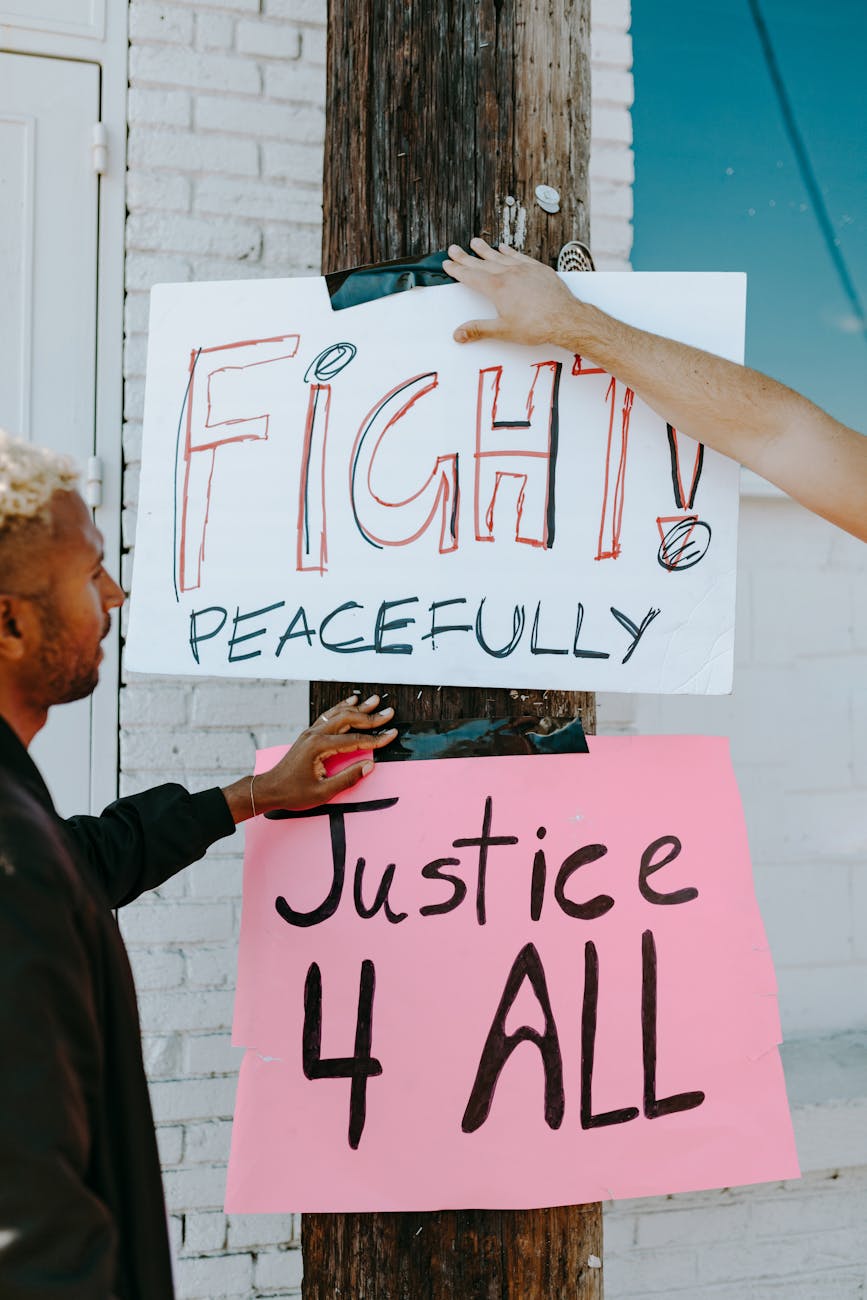
Atlanta Protest Leads to Arrest of El Salvadorian Journalist
A journalist from El Salvador finds himself in a precarious situation after being arrested during a protest in metro Atlanta. The stakes are high, as a judge has recently reopened his immigration case, putting him at risk of deportation as early as today. This incident highlights the ongoing tensions surrounding immigration enforcement and the rights of those who report on significant social movements.
Legal Ramifications and Consequences
The arrest comes amid a backdrop of heightened scrutiny of immigrants, especially those involved in public demonstrations. For many journalists, covering protests is a vital part of their role in society, yet the consequences of doing so can sometimes lead to dire situations. The ACLU has stepped in to voice concerns about the implications of such arrests, emphasizing the potential violation of rights, particularly for those documenting public dissent.
ACLU’s Call to Action
The American Civil Liberties Union (ACLU) is advocating for the journalist’s release and is calling attention to the chilling effect that such arrests can have on press freedom. They argue that journalists should be able to operate without fear of deportation or arrest simply for doing their job. The ACLU’s involvement underscores the broader battle for civil liberties in the context of immigration enforcement, particularly as it pertains to those who seek to hold power accountable.
Impact on Journalism and Freedom of Expression
This incident raises critical questions about the state of journalism in America today. The ability to report on protests and social issues should not come with the threat of deportation. Journalists often serve as the eyes and ears of the public, providing essential insights into movements that can shape society. When they are arrested or threatened, it sends a message that dissent—whether expressed through protest or reporting—is not tolerated. Such a stance could deter not only journalists but also activists and ordinary citizens from engaging in free expression.
What Happens Next?
As the situation unfolds, it remains to be seen whether the journalist will be granted reprieve or if he will be swiftly deported. This case serves as a stark reminder of the fragility of rights in the current climate. The legal system, alongside civil rights organizations, will play a crucial role in determining the outcome and setting a precedent for similar cases in the future.
Questions
What implications does this case have for press freedom in the U.S.?
How can organizations like the ACLU better protect journalists in similar situations?
What steps can be taken to ensure the safety of journalists covering protests?