U.S. Military Response to Russian Aircraft Activity
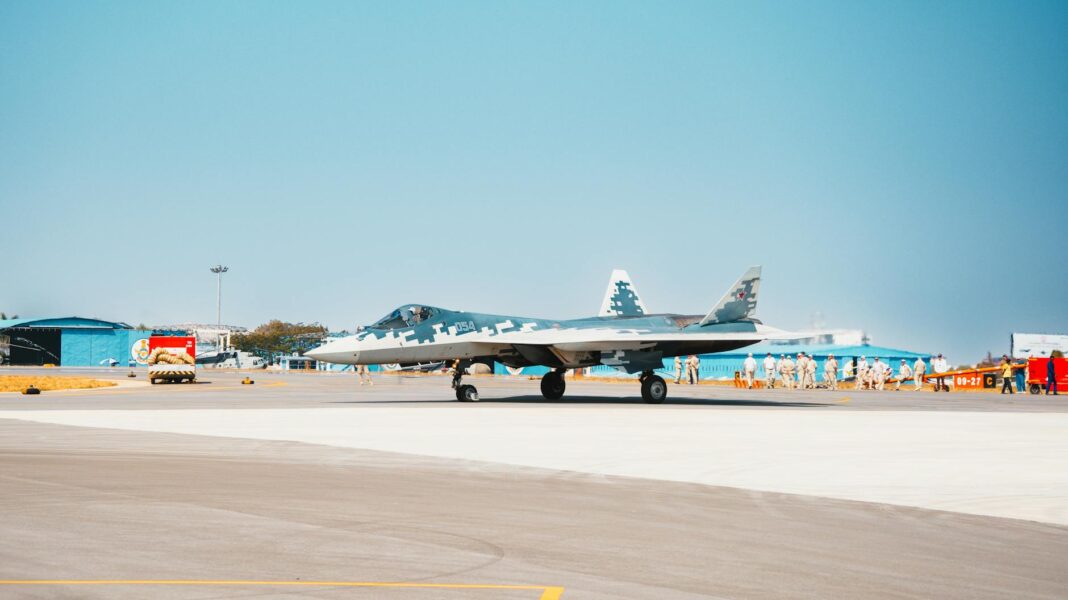
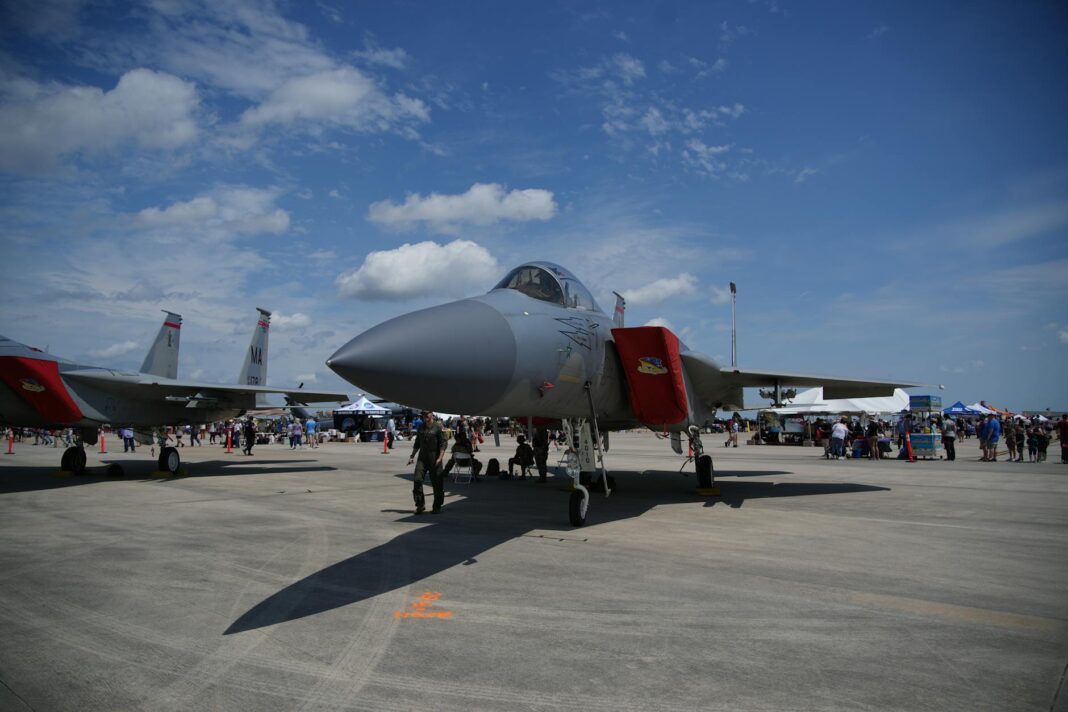
In a striking display of military readiness, U.S. fighter jets were scrambled to intercept Russian warplanes that ventured too close to Alaskan airspace. This incident underscores the ongoing tensions between the U.S. and Russia, particularly in the Arctic region, a strategic area that has drawn increased military attention from both sides. The interception serves as a reminder that both nations maintain a vigilant watch over their respective airspaces, prepared to respond to potential threats.
Details of the Interception
The interception took place as the Russian aircraft, identified as bombers, approached the Alaskan coast. U.S. Air Force jets, equipped with the latest technology and trained for rapid deployment, were sent to monitor and, if necessary, engage the intruding aircraft. This quick response showcases America’s commitment to safeguarding its airspace. The operation was likely coordinated through NORAD (North American Aerospace Defense Command), which continuously monitors and responds to aerial threats in North America. The proximity of Russian bombers to Alaska is not merely an act of aggression; it’s a calculated move that tests the U.S. response capabilities. Each encounter serves to assess how quickly and effectively the U.S. can mobilize its forces.
Strategic Importance of Alaska
Alaska’s geographical position makes it a critical point for monitoring Russian military activity. The Arctic has seen an uptick in military presence from both nations, with Russia ramping up its operations in the region. This includes not only aerial maneuvers but also naval exercises and the establishment of military bases, raising alarms in Washington. The region is rich in natural resources, which adds another layer to the strategic importance of these maneuvers. Control over Arctic waters and airspace is becoming increasingly vital as climate change opens new shipping routes and access to untapped resources.
Historical Context and Current Climate
The relationship between the U.S. and Russia has been fraught with tension for decades, but recent years have seen a notable increase in confrontations. The Arctic has become a new frontier for military engagement, driven by competition over resources and strategic positioning. Encounters like the one near Alaska are becoming more common, signaling a new phase in U.S.-Russia relations. Both nations are ramping up military exercises, with Russia conducting regular patrols in the Bering Sea and the North Pacific, while the U.S. has responded with its own series of drills, underscoring the potential for miscalculation in the air.
Implications for Future Engagements
Each encounter between U.S. and Russian military forces carries inherent risks. The response from U.S. jets was swift, but it’s crucial to consider the implications of such actions. As both nations continue to flex their military muscle, the potential for conflict increases. The question remains: how will each side navigate these encounters without escalating tensions further? Diplomatic efforts are essential to mitigate misunderstandings, but the reality is that military posturing will likely continue. The Arctic could become a flashpoint if both sides do not establish clear communication channels and protocols for engagement.
Questions
What strategies can be implemented to reduce the risk of military confrontations in the Arctic?
How do these military actions impact diplomatic relations between the U.S. and Russia?
What role does Alaska play in the broader context of U.S. defense strategy?