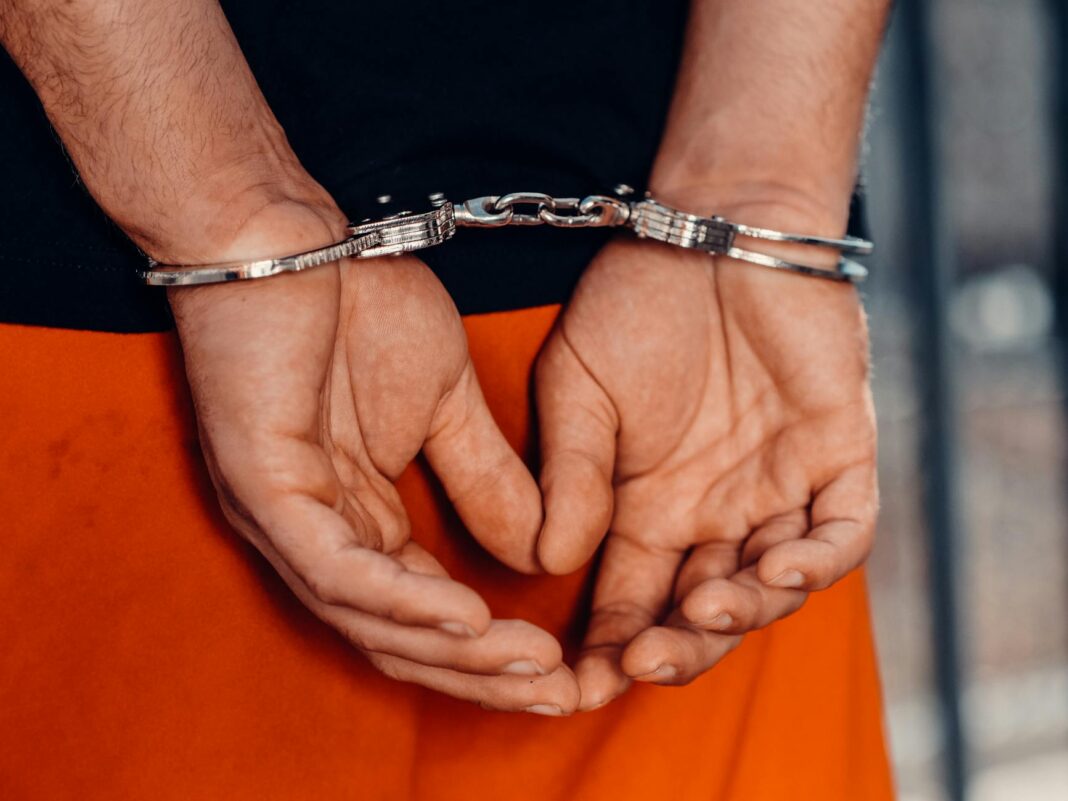
Understanding the Death Penalty in D.C.
The death penalty has long been a contentious topic in the United States, and in the District of Columbia, it finds itself at the crossroads of law and morality. As crime rates fluctuate and heinous acts continue to shock the nation, the question arises: should D.C. enforce death penalty laws as a means of deterrence and punishment for the most egregious offenses? This debate is not just legal; it’s deeply rooted in the fabric of societal values and the effectiveness of capital punishment as a crime deterrent.
The Legal Landscape
Currently, the District of Columbia has not executed anyone since the moratorium was enacted in 1972. This moratorium reflects a broader trend across many states that have either abolished the death penalty or placed significant restrictions on its use. However, the discussion around its enforcement is heating up again, particularly with rising concerns over violent crime. Advocates for the death penalty argue that it serves as a necessary tool for justice, especially for the most heinous crimes, such as murder, terrorism, and acts of extreme violence.
Arguments for Enforcement
Proponents posit that enforcing the death penalty can act as a deterrent. The logic is simple: the fear of capital punishment may prevent individuals from committing severe crimes. This argument, however, is contentious; numerous studies have shown mixed results regarding the death penalty’s effectiveness as a deterrent compared to life imprisonment. Yet, for those who have suffered due to violent crime, the idea of justice being served through the ultimate penalty is often appealing.
Human Rights Concerns
Opponents of the death penalty raise substantial ethical concerns. They argue that capital punishment is inhumane and disproportionately affects marginalized communities. The risk of wrongful convictions is another significant issue; evidence suggests that innocent people have been sentenced to death, only to be exonerated years later. These factors raise crucial questions about the morality and reliability of the death penalty as a form of punishment.
Looking Ahead
As the nation grapples with these questions, the future of the death penalty in D.C. hangs in the balance. Will lawmakers take steps to reinstate capital punishment as a tool for justice, or will they continue to lean towards reforming the justice system in a way that prioritizes rehabilitation over retribution? The answer remains uncertain, but one thing is clear: the conversation around the death penalty is far from over.
Questions
What are your thoughts on the effectiveness of the death penalty as a deterrent?
Do you believe the potential for wrongful convictions outweighs the need for capital punishment?
How should lawmakers balance justice for victims with ethical considerations in capital cases?