

Protesters Rally Against ICE in Portland Amid Federal Troop Threats
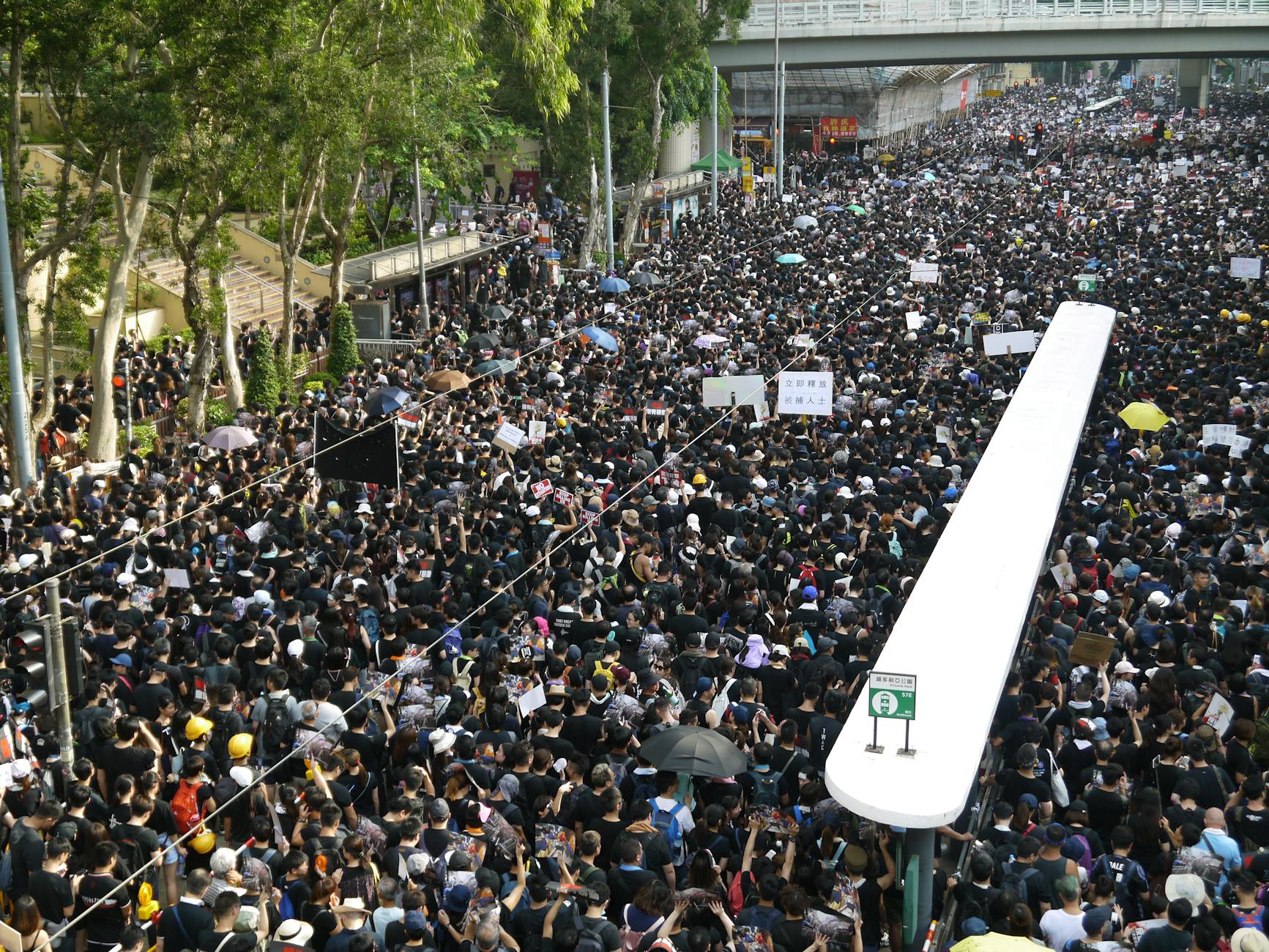
In a show of defiance, a group of peaceful protesters assembled outside the Immigration and Customs Enforcement (ICE) facility in Portland. This gathering came just hours after President Donald Trump announced plans to deploy federal troops to the city, claiming it was necessary to maintain order amidst rising tensions. The protesters, fueled by a mix of anger and hope, stood firm in their resolve to voice their opposition to ICE and its controversial practices.
Community Voices Against Federal Intervention
The atmosphere was charged as demonstrators, armed with banners and chants, expressed their concerns about the treatment of immigrants and the role of ICE in the community. They argued that federal intervention would only exacerbate the situation rather than bring about the peace and security claimed by the administration. The protesters represented a diverse cross-section of Portland’s population, united by a shared belief in justice and human rights.
The Reasons Behind the Protest
This protest was not just about opposing ICE; it was a response to a broader narrative of fear that has enveloped immigrant communities across the nation. Many of the attendees had personal stories that brought them to this moment. Some had family members who faced the threat of deportation, while others had witnessed the chilling effects of ICE raids firsthand. The emotional weight behind their chants and slogans was palpable, as they called for a halt to what they viewed as inhumane policies that tear families apart.
Background of the Protest
The backdrop for this protest isn’t just a political statement; it’s rooted in personal stories and community experiences. Many attendees had witnessed or heard about the impact of ICE operations, which have often been criticized for their aggressive tactics and the resulting fear they instill in immigrant communities. As federal troops are threatened to be deployed, the protesters felt an urgency to defend their neighbors and push back against what they see as an overreach of government power.
Local Leaders Join the Fight
Local leaders and activists have been vocal in their criticism of the potential federal troop presence, labeling it an unnecessary escalation. City officials, community organizations, and grassroots movements have rallied together, asserting their commitment to protecting immigrant rights. They argue that Portland should be a safe haven for all residents, regardless of their immigration status. The protesters echoed these sentiments, calling for solidarity and support for those at risk of deportation or detention. Their chants filled the air, creating a powerful atmosphere of resistance against the perceived injustices being perpetrated by the federal government.
Potential Consequences of Federal Troops
As the possibility of federal troops loomed, many feared the consequences of such a move. Would the presence of armed forces on the streets lead to more violence? History shows that increased militarization often results in escalated tensions, rather than the peace that is promised. The protesters made it clear that they would not back down easily. They understand that their presence is crucial in protecting their communities from what they consider an oppressive regime. With each chant and each banner raised, they reaffirmed their commitment to standing against federal overreach.
The Power of Solidarity
One of the most powerful aspects of the protest was the sense of solidarity that permeated the crowd. People from all walks of life came together, united by a common cause. Individuals who might not have previously engaged in activism found themselves drawn to the movement, realizing that the fight for justice extends beyond immigration issues. Speakers at the event emphasized that fighting for immigrant rights is a fight for all rights. As the sun set on the city, the protest transformed into a vibrant display of unity, resilience, and hope for a better future.
Looking Ahead
The protest outside the ICE facility symbolizes a larger movement that continues to grow across the nation. As communities rally to protect their rights and stand against what they perceive as oppressive measures, the outcome of such actions remains to be seen. Will federal troops actually be deployed? How will the community respond in the coming days? One thing is clear: the fight for justice and dignity for all will not be silent. The protesters understand that this is just one battle in a larger war for civil rights and dignity, and they are prepared to continue the fight.
Questions
What impact do you think federal troops would have on local protests?
How can communities effectively support immigrant rights in the face of federal actions?
What strategies could protesters use to ensure their voices are heard?