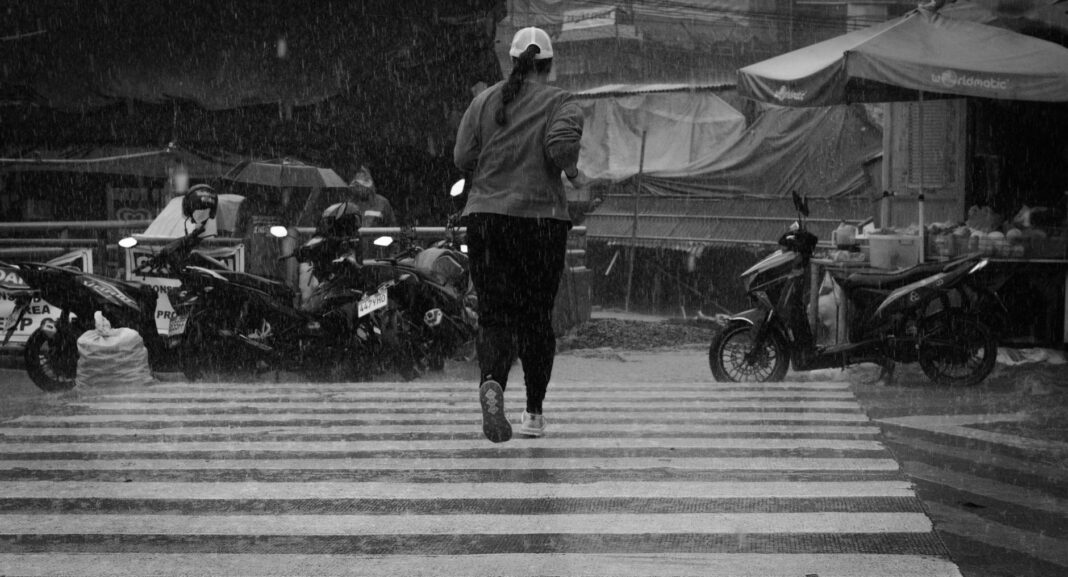
Tropical Storm Imelda Overview
Tropical Storm Imelda made its debut on Sunday, September 28, creating a buzz across the southeastern United States. As meteorologists tracked its formation, concerns began to rise regarding potential impacts on various regions, particularly in Western North Carolina (WNC). However, early predictions and models suggest that Imelda will likely remain offshore, considerably minimizing the storm’s impact on the area.
Current Forecast and Path
The National Hurricane Center has been diligent in monitoring Imelda’s path and intensity. Forecasts indicate that the storm is expected to travel along the coastline rather than make landfall. This trajectory will significantly reduce the risk of severe weather-related events for WNC, including damaging winds, flooding, and power outages. It’s a fortunate turn of events for residents who typically brace for the worst during the hurricane season.
Impacts on Western North Carolina
For those living in WNC, the primary concern with tropical storms often revolves around heavy rainfall and flash flooding. However, with Imelda moving offshore, the anticipated rainfall in the region is expected to be light. Meteorological models suggest that while the outer bands of the storm may bring some moisture, it won’t be enough to create hazardous conditions or overwhelm local drainage systems.
Nonetheless, it’s essential to remain vigilant. Weather patterns can change rapidly, and the remnants of tropical systems can sometimes surprise us. While the overall forecast seems optimistic, there’s always a chance that unexpected developments could alter the situation. Residents should continue to monitor local weather reports and updates from the National Weather Service.
Preparing for the Unexpected
Even though the current forecast paints a reassuring picture, preparedness is key. Residents should always have an emergency kit ready to go. This kit should include essentials such as non-perishable food, water, medications, flashlights, batteries, and a first aid kit. Knowing that you are prepared can alleviate stress during unpredictable weather events.
It’s also wise to have a plan in place for communication and transportation. Make sure your family knows where to meet if you get separated and have a designated contact person outside the affected area. This is especially critical during storm season when power outages and poor cell service can complicate communication efforts.
Community Response and Resources
The local community often plays a crucial role during storm events. Neighbors looking out for one another can make a significant difference. Whether it’s checking in on elderly residents or assisting those who may have mobility issues, community solidarity is vital. Local organizations and emergency services are also prepared to provide assistance, so it’s beneficial to know how to access those resources.
Social media can be an excellent tool for staying informed and connected during storms. Follow local weather channels, emergency services, and community groups to ensure you receive real-time updates and information. Sharing information with your network can help others stay safe and informed.
Final Thoughts on Tropical Storm Imelda
In conclusion, while Tropical Storm Imelda is making headlines, WNC appears to be largely spared from its wrath. With predictions suggesting that the storm will remain offshore, residents can take a collective breath and prepare for the lighter rain that may come. However, the unpredictable nature of weather warrants a cautious approach, so staying informed and prepared is essential.
As we navigate through this storm season, let’s remember that awareness and preparedness can help us face any weather challenge. Stay updated, look out for your neighbors, and keep your emergency plans ready. With Imelda likely passing without significant impact, let’s hope for clear skies ahead.
Questions
What steps are you taking to prepare for potential storms in your area?
How do you stay informed about weather updates during storm season?
Have you ever experienced a tropical storm or hurricane? What was it like?