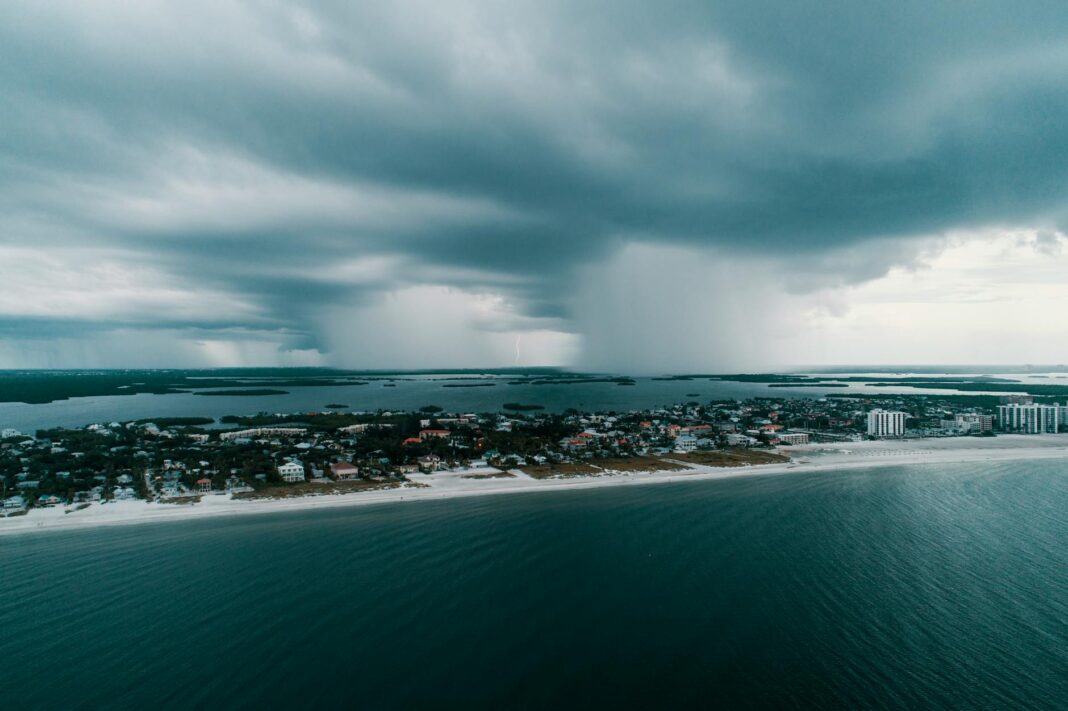
Tracking Tropical Storm Imelda’s Path
Tropical Storm Imelda is making waves as it churns along the East Coast, and it’s no small matter. As the storm gathers strength, forecasts indicate it may escalate into a hurricane by Tuesday, September 30. Residents of North Carolina should pay attention; this isn’t just another summer squall. The storm’s trajectory is set to bring significant weather changes and potential disruptions.
What’s on the Horizon for North Carolina?
As Imelda intensifies, North Carolina could face a mix of heavy rainfall, gusty winds, and possible flooding. The storm’s current path suggests it could hit coastal regions first, bringing with it the risk of storm surges. For towns along the coast, this could mean rising waters that threaten homes and businesses. Inland areas aren’t off the hook either; heavy rain can lead to flash flooding, especially in low-lying regions. It’s crucial to stay updated with local forecasts and advisories, as the situation can evolve rapidly.
Potential Impacts of Imelda
While the exact impact of Tropical Storm Imelda remains to be seen, history tells us that storms like this can cause significant damage. High winds can uproot trees and down power lines, leading to widespread outages. Flooding can disrupt not only homes but also transportation networks, making travel hazardous. Schools may close, and public services could be strained as emergency responses are activated. Residents should not underestimate the storm’s capacity to disrupt daily life.
Preparation is Key
Now is not the time for complacency. If you live in impacted areas, prepare your home and family for the worst. Stock up on essentials such as food, water, and medications. It’s recommended to have at least a three-day supply, as power outages or road closures can leave you cut off from resources. Secure outdoor items that could become projectiles in high winds, like patio furniture or garden tools. Have a communication plan in place and know your evacuation routes. In a storm’s aftermath, road conditions can change quickly, and it’s crucial to know alternative paths.
Stay Informed
Keep an eye on updates from the National Hurricane Center and local news outlets. The storm’s path can change rapidly, and staying informed is your best defense. Social media can provide real-time updates, but always cross-check information with reliable sources. Don’t rely solely on one channel; diversify your sources to get a clearer picture of what to expect. Local government websites often provide the most accurate and timely information about evacuations, emergency shelters, and road conditions.
What About Emergency Services?
As the storm approaches, local emergency services will be on high alert. However, it’s important to remember that first responders may not be able to reach you during the height of the storm. This means that self-sufficiency is crucial. Know how to administer basic first aid, and have supplies on hand to manage minor emergencies. If you have medical needs, ensure you have enough supplies and a plan for accessing care if necessary. Local hospitals and clinics may be overwhelmed.
What’s Next?
As we track Imelda, it’s essential to remain vigilant. The storm’s development can influence not just the weather but also local infrastructure and emergency services. Be prepared for possible power outages and disruptions. If the storm intensifies as expected, it could lead to emergency declarations, road closures, and other significant impacts. Stay ready, stay smart, and keep your family informed about the latest developments. Remember, the strength of a storm is often measured not just in its winds, but in the preparation and resilience of the people it affects.
Questions
Are you prepared for potential flooding in your area?
Have you checked your emergency supply kit recently?
What updates are you following for the storm’s progress?