
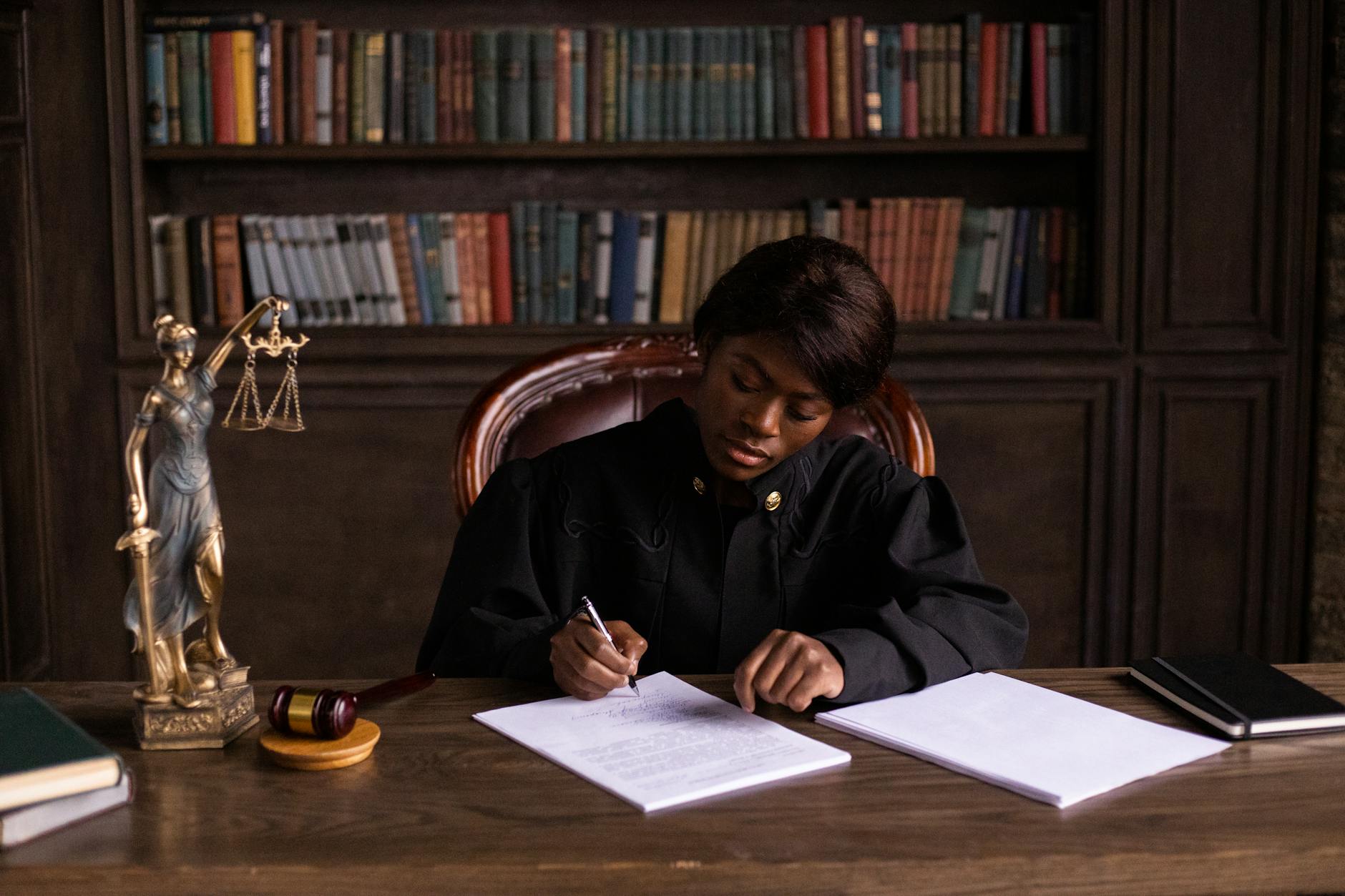

Judge Steps In to Protect Voice of America Jobs
In a significant move, a federal judge has temporarily blocked the Trump administration’s controversial plan to cut hundreds of jobs at the agency responsible for Voice of America (VOA). This decision not only halts the immediate downsizing but also raises questions about the future of public broadcasting and its role in providing unbiased news to the American public and beyond. The judge’s ruling is a clear signal that a judicial check on executive power is still alive and well, especially in matters concerning the integrity of the media.
The Impact of Job Cuts on Public Broadcasting
Voice of America has long been a beacon of information, particularly in regions where press freedom is limited. Established in 1942, VOA serves as the U.S. government’s international multimedia broadcaster, providing news in more than 40 languages. The proposed job cuts threatened to undermine the agency’s ability to deliver accurate news, especially in critical areas like Eastern Europe, Africa, and the Middle East. With a workforce that has dedicated itself to informing global audiences, the loss of these positions would have sent shockwaves through the already fragile media landscape, diminishing the quality and quantity of news available to many who rely on it for independent reporting.
The implications extend beyond just numbers. Fewer journalists and staff mean a reduced capacity to cover global events comprehensively. In a world where misinformation spreads like wildfire, the importance of credible news sources cannot be overstated. The potential loss of hundreds of jobs at VOA could lead to a significant void in the dissemination of factual information, leaving audiences vulnerable to propaganda and disinformation.
Legal Grounds for the Suspension
The judge’s ruling stems from concerns over the legality of the proposed cuts and their potential implications for VOA’s mission. The administration’s plan was criticized for lacking transparency and due process, which are essential in government operations, especially in agencies tasked with public service. The legal battle highlights the ongoing tension between government objectives and the necessity of maintaining a free and independent press. The court’s intervention serves as a reminder that such drastic changes cannot be made without justifiable reasoning and proper legal frameworks in place.
This ruling also invites a broader discussion about the funding and governance of agencies like VOA. Critics argue that public broadcasting should be insulated from political pressures to ensure its independence. The outcome of this legal challenge could set important precedents for how public media operates in the future and how it is funded and governed. If the administration’s plan is ultimately found to be unlawful, it could embolden advocates for press freedom, encouraging more robust protections for public broadcasters.
What’s Next for Voice of America?
While this ruling is a temporary measure, it sets the stage for a more extensive examination of the administration’s intentions regarding VOA. The future of the agency hangs in the balance, as advocates for press freedom and transparency continue to voice their concerns. It remains to be seen how the administration will respond to this judicial pushback and what it means for the broader landscape of public broadcasting in America.
As the legal fight unfolds, stakeholders in the media industry, including journalists, policymakers, and the general public, will be watching closely. The outcome could have lasting impacts on how public broadcasters operate and whether they can continue to fulfill their critical role in society. In an era marked by increasing scrutiny of media organizations, the fate of VOA may also serve as a barometer for the health of democracy itself.
Questions
What are the long-term implications for VOA if the job cuts are reinstated?
How might this legal battle influence public perception of government oversight in media?
What steps can be taken to ensure the independence of agencies like VOA in the future?