Trump’s Address to Military Leaders: A Deep Dive into Claims
In a recent speech delivered at a military base in Virginia, President Donald Trump took to the podium in front of an audience composed of hundreds of generals and admirals. The occasion was meant to bolster morale and reinforce the administration’s commitment to the armed forces. However, as the speech progressed, it became clear that Trump made a series of false claims that raised eyebrows and sparked questions among those in attendance and beyond.
Fact-Checking Trump’s Military Assertions
Throughout his address, Trump touted various accomplishments and initiatives related to the military, but many of his statements were found to be misleading or outright incorrect. For instance, he claimed significant advancements in military technology and capabilities that, upon closer examination, do not align with the current state of affairs. Critics argue that such embellishments can undermine trust in the leadership, especially among those who serve in uniform.
Specific Claims Under Scrutiny
One of the more notable claims made by Trump involved the development of new weaponry that he described as “the most advanced in the world.” While the U.S. military does invest heavily in research and development, many of the specific technologies he mentioned either remain in testing phases or are not as revolutionary as portrayed. It’s not just a matter of exaggeration; it’s a potential misrepresentation of the military’s current capabilities. Such inaccuracies can lead to confusion within the ranks and diminish the credibility of the leadership.
Implications of Misleading Information
When a sitting president speaks to high-ranking military officials, the weight of their words carries substantial influence. Misrepresentation of facts can create a disconnect between the administration and the military personnel who rely on accurate information for decision-making and operations. This situation is not just a matter of semantics; it can have real consequences for morale and the effectiveness of military strategies.
Responses from Military Leaders
In the wake of Trump’s speech, reactions from various military leaders ranged from skepticism to outright disbelief. While many understand that political rhetoric often includes exaggerations, the concern lies in how these statements reflect on the military’s integrity and the administration’s credibility. Generals and admirals are tasked with making critical decisions based on accurate intelligence and assessments; therefore, misleading information can jeopardize missions and operations.
The Role of Fact-Checkers in Military Discourse
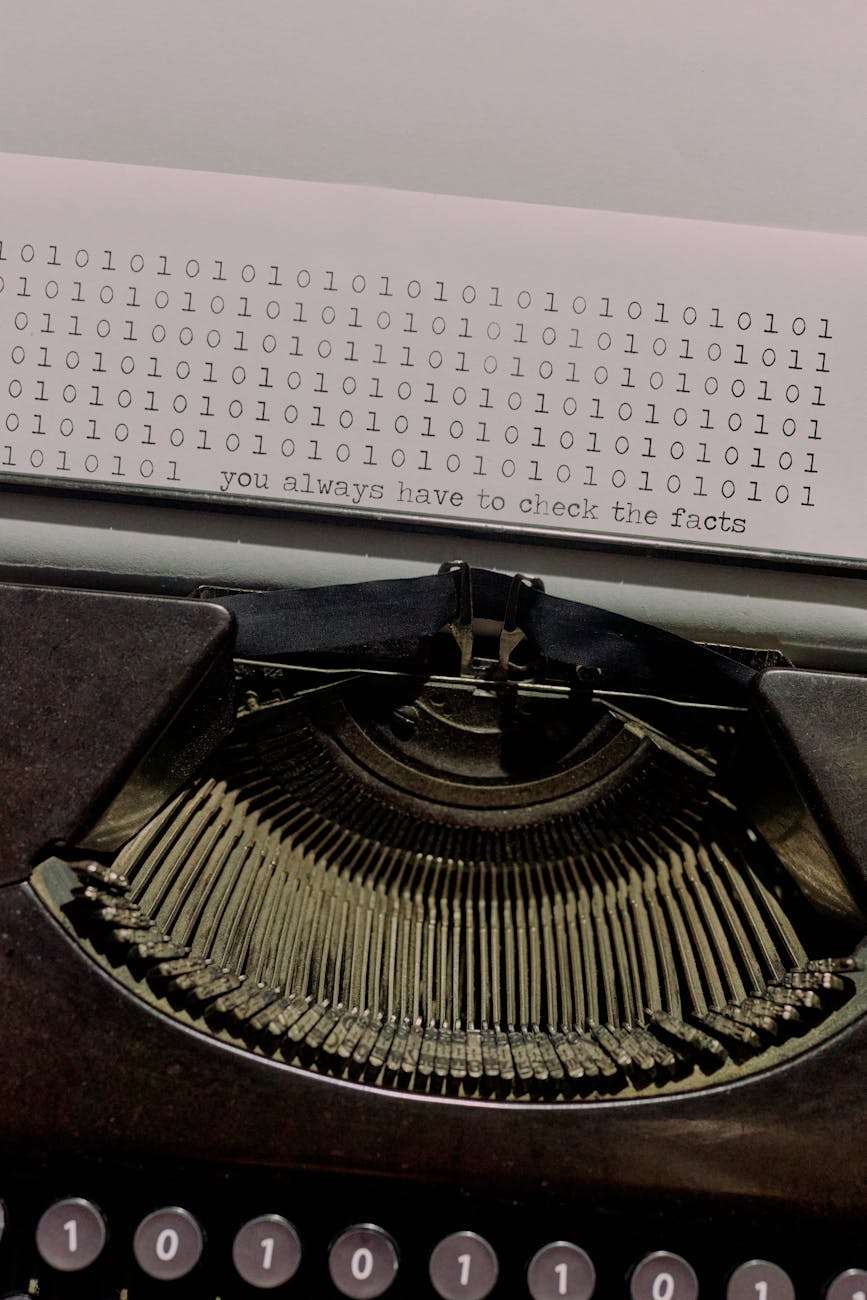
In today’s fast-paced media environment, the role of fact-checkers becomes increasingly vital. With the rise of misinformation, especially from influential figures, it is essential for journalists and the public to hold leaders accountable. Fact-checkers dissect statements to provide clarity and truth, ensuring that those who serve in the military and the general public have access to accurate information.
Building Trust in Military Leadership
Trust is a critical component in the military. Soldiers must believe in their leaders’ decisions, strategies, and the information being disseminated. When false claims are made, it not only erodes confidence but can also lead to hesitancy among troops during operations. The military thrives on a foundation of trust and transparency, and any deviation from that can have long-lasting effects. Leaders must be vigilant in their communication, ensuring that what they convey is not just inspirational but also factual.
What Can Be Done?
Addressing these issues requires a concerted effort from both military and political leaders. Transparency must be prioritized, and leaders should be encouraged to speak with data-backed assertions. Furthermore, fostering an environment where questioning and accountability are welcomed can help mitigate the impact of misinformation. Military personnel should feel empowered to seek clarification and challenge inaccuracies, promoting a culture of honesty and integrity.
Questions
What impact do misleading claims from leaders have on military morale?
How can fact-checking organizations improve the accuracy of information disseminated to the public?
What steps should military leaders take when faced with inaccurate statements from political figures?