
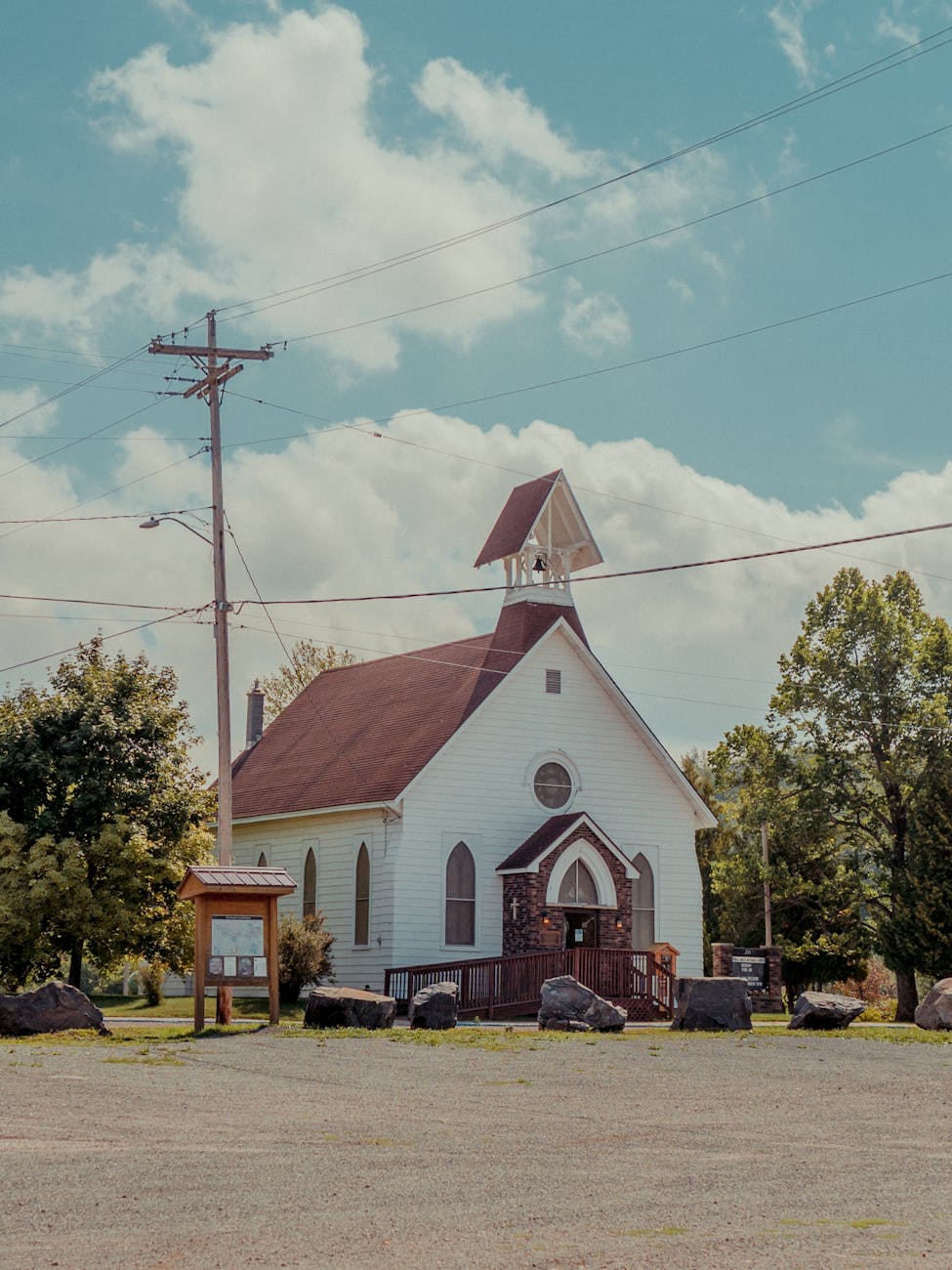

A Moment of Forgiveness
In a harrowing tale from a Michigan church shooting, a survivor has shared her powerful experience of confronting the man who killed her father. This survivor’s story is not just one of tragedy; it’s a testament to the resilience of the human spirit and the profound capacity for forgiveness, even in the face of unimaginable loss.
The Day Everything Changed
It was a day like any other until it wasn’t. The church, a sanctuary for many, became a site of horror when a gunman opened fire, claiming the life of a beloved father and friend. The chaos that ensued left the entire community reeling, grappling with grief and shock. For those directly affected, the search for closure began as quickly as the tragedy unfolded.
Confronting the Unthinkable
In a moment that defied expectations, the survivor found herself face-to-face with the gunman during a court appearance. Instead of rage or despair, she experienced a surge of unexpected emotions. In this raw moment, she looked the man in the eyes—a man responsible for her father’s death—and made a conscious decision that many would find unthinkable. She forgave him. “I forgave him right there,” she stated, a phrase that encapsulates not just her personal journey, but a broader lesson in humanity. Forgiveness, she realized, is a crucial step toward healing.
The Power of Forgiveness
Forgiveness is often portrayed as an act of weakness, but this survivor’s story challenges that narrative. It requires immense strength to release the grip of anger and resentment. In a world where revenge is often sought, her choice to forgive serves as a beacon of hope. It’s a reminder that even in the darkest moments, grace can emerge. Her decision was not about excusing the shooter’s actions; it was about reclaiming her narrative and finding peace amidst the chaos.
A Community in Mourning
The church community has rallied around the family, offering support and love. Grief counselors and community leaders have stepped in to help those affected process their emotions and navigate the aftermath of the tragedy. Collective healing is a slow process, but the survivor’s act of forgiveness has sparked conversations about empathy, redemption, and the ways we cope with loss.
Questions
What does forgiveness mean in the context of violence and trauma?
How can communities support one another after such devastating events?
What lessons can we learn from acts of forgiveness in our own lives?