
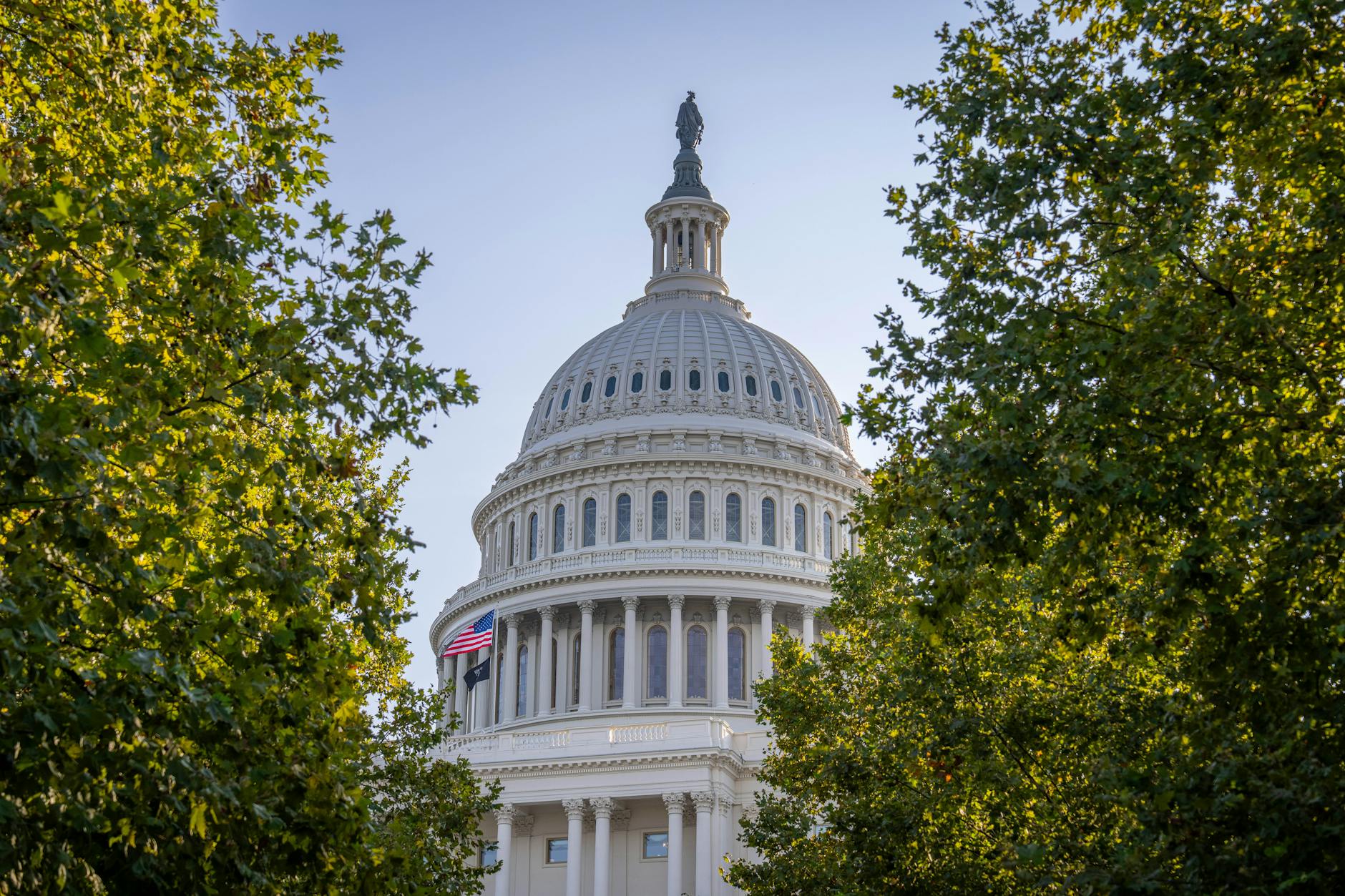

Chaos Unfolds as Federal Government Shuts Down
The much-anticipated federal government shutdown has officially commenced, leaving millions of Americans scrambling for answers. After weeks of gridlock and partisan posturing, Congress has failed to reach a compromise on funding, sending essential services and programs into disarray. As news breaks, it’s clear that both party leaders are entrenched in their positions, with no viable solution in sight. This is not just a political issue; it’s a real-life crisis impacting the daily lives of citizens.
What Led to This Impasse?
At the heart of this shutdown lies a deep-seated inability to negotiate. Congress has been bickering over budget allocations, with each party stubbornly sticking to their demands. On one side, there’s a push for increased spending on social programs, while the other is adamant about slashing budgets and cutting costs. The Democrats are advocating for investments in public services that support the most vulnerable populations, while Republicans are focused on fiscal responsibility and reducing the national debt. This deadlock has culminated in an unprecedented situation where the government effectively stops functioning, causing ripple effects throughout the economy and public services.
The Immediate Fallout
With the shutdown in full swing, essential services are grinding to a halt. Government agencies that provide critical support to millions—like the IRS, Social Security Administration, and various health services—are now operating on skeleton crews or suspending operations altogether. Citizens relying on these services for their livelihoods are left in limbo, unsure of when they might receive assistance again. Federal employees are facing unpaid leave, and public sentiment is growing increasingly hostile toward elected officials who can’t seem to put aside their differences for the greater good.
In addition to the immediate effects on federal employees, the shutdown also disrupts various programs that many Americans depend on. For example, veterans’ benefits, food assistance programs, and federal education funding are all at risk. Families who rely on these services for basic needs are left wondering how they will cope. This uncertainty breeds anxiety and frustration as individuals and families try to navigate their daily lives without the support they’ve come to depend on.
Long-Term Consequences
The longer the shutdown persists, the more damage it inflicts on the economy and public trust in government. Economists warn that prolonged inaction can lead to long-term repercussions, including economic downturns, increased unemployment rates, and a dip in consumer confidence. Small businesses that rely on government contracts may find themselves in jeopardy, and the knock-on effects could ripple through the entire economy.
Moreover, the shutdown creates a chilling atmosphere where innovation and progress are stifled. Government-funded research and development projects are halted, delaying advancements in fields like healthcare, technology, and environmental science. The consequences of these delays can affect not only the domestic landscape but also the country’s standing in global markets. As other nations continue to progress, the U.S. risks falling behind due to its own internal strife.
Public Sentiment and Accountability
As the days pass with no resolution, public frustration is palpable. Citizens are taking to social media and other platforms to voice their anger, demanding accountability from lawmakers. Many are calling for a more streamlined approach to budgeting and funding, suggesting that automatic continuing resolutions could prevent future shutdowns. The message is clear: people want their elected officials to work for them, not against each other.
The Future: Uncertain and Frustrating
While party leaders continue to dig in their heels, it’s the average American who suffers the consequences of their inability to govern effectively. As negotiations stall, the prospect of a resolution seems bleak. However, history has shown that even the most entrenched positions can be softened when the pressure mounts. The question is, how long will it take for Congress to feel that pressure enough to act?
Questions
What measures can Congress take to avoid future shutdowns?
How will this shutdown affect the economy in the long run?
What are the immediate impacts on federal employees and services?