Understanding the Government Shutdown’s Ripple Effect
The prospect of a government shutdown is often discussed in hushed tones, but it’s time to face the reality of what such an event means for everyday Americans. As the first shutdown since 2019 looms, the potential disruptions to daily life could be more profound than many anticipate.
Federal Services at a Standstill
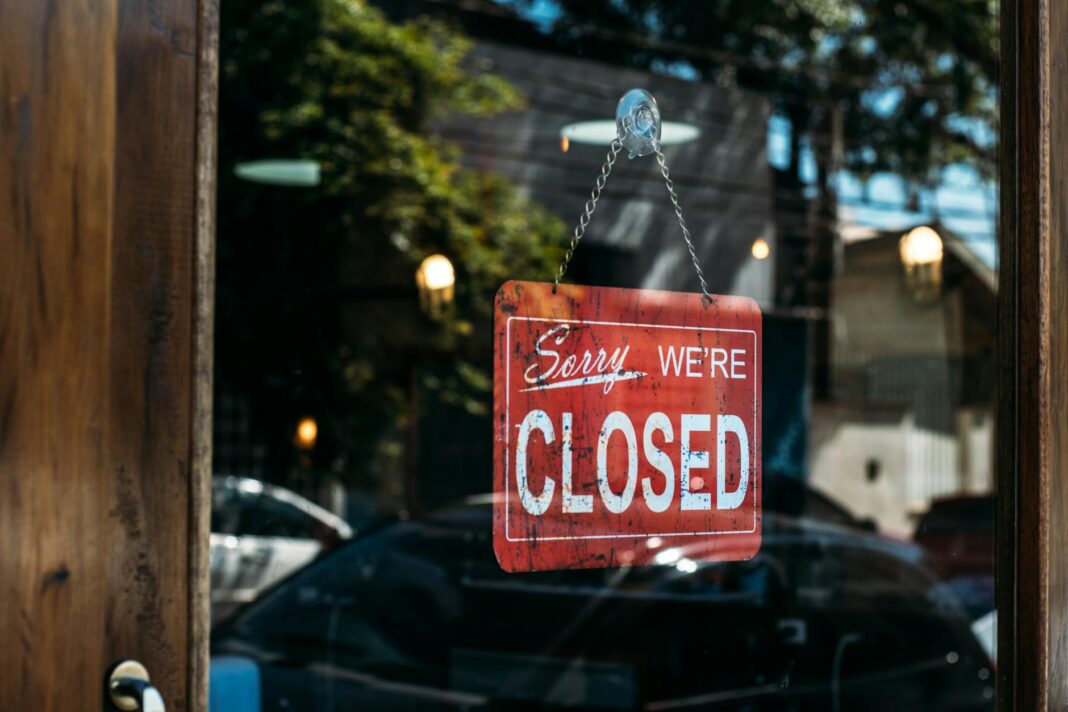
When the government shuts down, countless federal services come to a grinding halt. This includes everything from national parks being closed to delays in processing federal loans and permits. If you’re planning a family trip to a national park, or waiting on a loan for your small business, you might find yourself out of luck. The immediate effects can lead to frustration and unexpected financial strain.
Jobs and Paychecks in Jeopardy
For federal employees, a shutdown means uncertainty. Many will be furloughed, while others are forced to work without pay. Imagine juggling bills and household expenses without your regular paycheck. This isn’t just a theoretical scenario; it’s a harsh reality for thousands, and it can trickle down to local economies. Businesses that rely on federal workers’ spending may also feel the pinch, leading to wider economic repercussions.
Public Health and Safety Risks
Public health isn’t immune to the ramifications of a government shutdown either. The Centers for Disease Control and Prevention (CDC) may halt certain programs, and the Food and Drug Administration (FDA) could slow down inspections of food and drugs. This means that consumers might face higher risks regarding food safety and health standards. A government shutdown can ultimately jeopardize the very safety nets designed to protect the public.
Emotional and Mental Toll
Beyond the tangible disruptions, the emotional toll of a shutdown shouldn’t be overlooked. Anxiety about finances, job stability, and access to essential services can weigh heavily on individuals and families. The uncertainty creates a breeding ground for stress and worry, and not everyone handles that pressure well. Mental health services may also experience cuts, further exacerbating the situation for those in need.
Planning for the Unpredictable
So, what can you do to prepare? Stay informed and plan ahead. Whether it’s budgeting for potential income loss or considering alternative arrangements for federal services, being proactive can help cushion the blow. A little foresight can go a long way in navigating the turbulent waters of a government shutdown.
Questions
How would a government shutdown affect your daily routines?
Are you prepared for potential disruptions in federal services?
What steps can you take to mitigate financial risk during a shutdown?