Understanding the Government Shutdown Dilemma
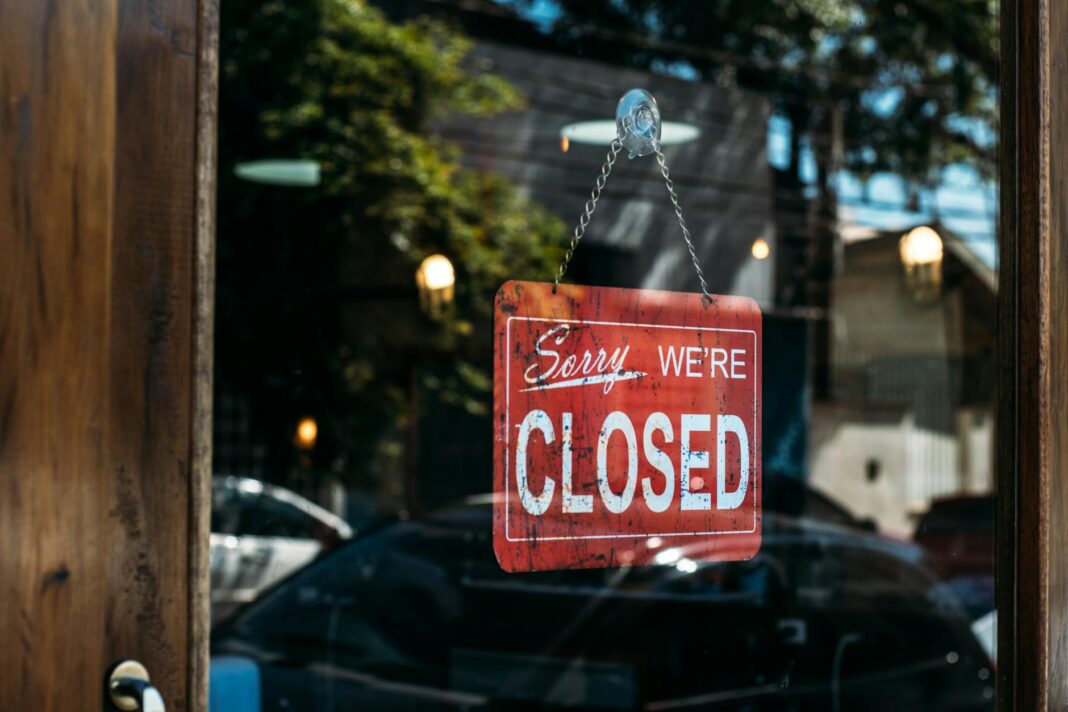
The recent government shutdown has once again thrust the Democrats into the spotlight, sparking debates about strategy, priorities, and the consequences of political maneuvering. While some may see this as a failure to govern, it’s crucial to understand the underlying motivations that drive such decisions. For the Democrats, the fight is often as significant as the outcome itself. In many cases, it’s about making a statement, rallying the base, and setting the stage for future negotiations. The political landscape is a battlefield, and shutdowns can serve as a weapon in a larger arsenal of tactics.
Political Chess: The Strategy Behind Shutdowns
Government shutdowns aren’t merely the result of budgetary disputes; they’re strategic moves in a larger political chess game. For Democrats, leveraging a shutdown can serve multiple purposes. First, it highlights the party’s commitment to certain issues, such as social programs and healthcare. By standing firm, they can reinforce their identity and differentiate themselves from their opponents. Second, the chaos surrounding a shutdown can energize the party’s supporters, framing the narrative of “us versus them.” This mobilization can be essential in upcoming elections, especially in battleground states where every vote counts.
Moreover, utilizing a shutdown can spotlight issues that might otherwise be sidelined in political discussions. For example, debates surrounding healthcare reform or funding for social services often take center stage during these crises, allowing the Democrats to advocate for policies they believe in. It’s a chance to force the opposition to take a stand on contentious issues, revealing their priorities—or lack thereof—to the public.
The Consequences of a Shutdown
Of course, the fallout from a government shutdown is not without its drawbacks. While Democrats may achieve short-term visibility, the long-term implications can be severe. Federal employees face uncertainty, public services are disrupted, and the broader economy can feel the pinch. Events like these can create a backlash that alienates moderate voters who may view the situation as reckless. Therefore, Democrats must carefully weigh the benefits against the potential backlash; it’s a high-stakes gamble.
Consider the economic impact: when government operations halt, services that citizens rely on can dry up quickly. From national parks to social security payments, the ripple effects can be extensive. This not only affects those directly impacted but also shapes public perception of the party in power. If voters feel that their quality of life is compromised due to political posturing, they may turn against the Democrats in subsequent elections. The challenge lies in framing the narrative to emphasize that the shutdown is a necessary stand for principles rather than a failure to govern.
Is It Worth the Risk?
The question remains: is the fight worth the risk? For many Democrats, the answer lies in the bigger picture. They believe that standing firm on key issues can lead to eventual victories and policy changes that align with their values. However, the challenge is maintaining public support while navigating the turbulent waters of discontent that a shutdown can incite. It’s a fine line to walk, and the stakes are always high. Those in power must constantly assess whether the fight they’re picking is one that can galvanize their base without losing the trust of the general populace.
Additionally, Democrats need to cultivate a narrative that resonates with everyday Americans. A shutdown should not just be an abstract political battle; it should be framed as a fight for the people. Showcasing personal stories of those affected by the shutdown can humanize the political struggle and create empathy among voters. It’s about transforming the shutdown into a rallying cry rather than a point of division. In this age of social media, where narratives can spread like wildfire, the way Democrats communicate their message is just as critical as the policies they champion.
Questions
What strategies should Democrats adopt to minimize backlash during a shutdown?
How can the party maintain its identity while addressing voter concerns?
Is there a better way to achieve political goals without risking a shutdown?