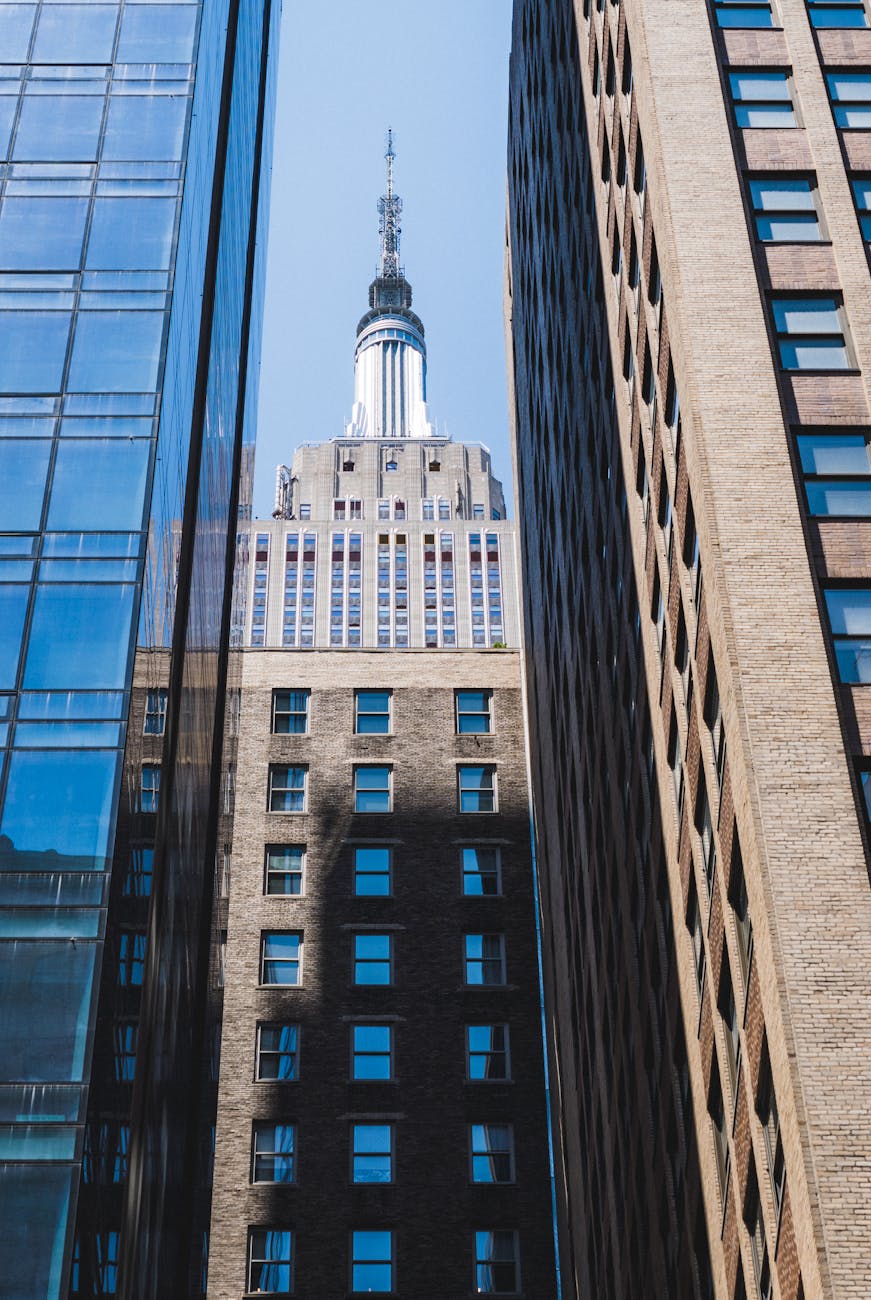
Trump Administration Halts $18 Billion in NYC Infrastructure Plans
In a surprising move that has sent ripples through New York City, the Trump administration has decided to freeze $18 billion earmarked for infrastructure projects. This decision, confirmed by Office of Management and Budget Director Russell Vought, is causing major concern among city officials and residents alike. The funds, which were intended for various essential projects, are now in limbo, leaving many to wonder about the future of the city’s infrastructure.
Impact on New York City Infrastructure
New York City has long struggled with aging infrastructure, and the proposed projects were seen as a lifeline to address these critical needs. From repairing bridges and roads to upgrading public transportation systems, the halted funds represent a significant setback. City officials have expressed their frustrations, emphasizing the urgent need for these improvements to ensure public safety and enhance the quality of life for residents. The city’s subway system, for example, has been plagued by delays and maintenance issues that have left commuters frustrated and looking for alternatives. Without these funds, the timeline for necessary upgrades could stretch into the indefinite future.
What Led to the Freeze?
While the administration has not provided a detailed explanation for this freeze, it seems to reflect a broader trend of scrutinizing federal spending. Vought’s comments suggest that the administration is prioritizing fiscal responsibility, but critics argue that this approach overlooks the immediate needs of urban populations. Infrastructure is not just about aesthetics; it’s about functionality, safety, and economic growth. The freeze raises concerns about whether the administration understands the complexities involved in managing a city as vast and intricate as New York. With a population exceeding 8 million, the stakes are high, and the consequences of neglect are dire.
Reactions from City Officials
The response from New York City officials has been swift and vocal. Mayor Bill de Blasio and other local leaders have condemned the freeze, arguing that it jeopardizes critical projects that have already been in planning stages for years. They stress that infrastructure investments are essential for job creation, public safety, and overall economic vitality. The mayor pointed out that these projects were not mere conveniences; they were designed to address urgent safety hazards, such as crumbling bridges and outdated water systems. With the city still recovering from the impacts of the COVID-19 pandemic, the timing of this freeze could not be worse.
Potential Consequences for Residents
For the average New Yorker, the implications of this funding freeze are profound. Delayed infrastructure projects mean prolonged traffic congestion, unreliable public transport, and increased risk of accidents. The city’s aging roads are already a breeding ground for potholes, which can cause damage to vehicles and, more importantly, pose safety risks to drivers and pedestrians. Additionally, neglected public spaces can lead to increased crime rates, diminishing the overall quality of life. The psychological toll on residents, who rely on these services daily, cannot be underestimated. The sense of neglect can lead to a feeling of disenfranchisement, and when people feel ignored by those in power, it can spark unrest and dissatisfaction.
Looking Ahead
The uncertainty surrounding these funds raises significant questions about the future of urban development in New York City. Projects that were once deemed vital might now be delayed indefinitely, leaving residents anxious about the integrity of their infrastructure. It’s a precarious situation that demands attention, especially as cities across the nation grapple with similar challenges. Urban planners are now faced with the daunting task of re-evaluating priorities and finding alternative funding sources to bridge the gap left by the federal freeze. Public-private partnerships, state funding, and innovative financing solutions may become critical in ensuring that necessary projects see the light of day.
Questions
What infrastructure projects are most at risk due to this funding freeze?
How will city officials respond to the challenges posed by this halt?
What alternative funding sources could be explored to address these needs?