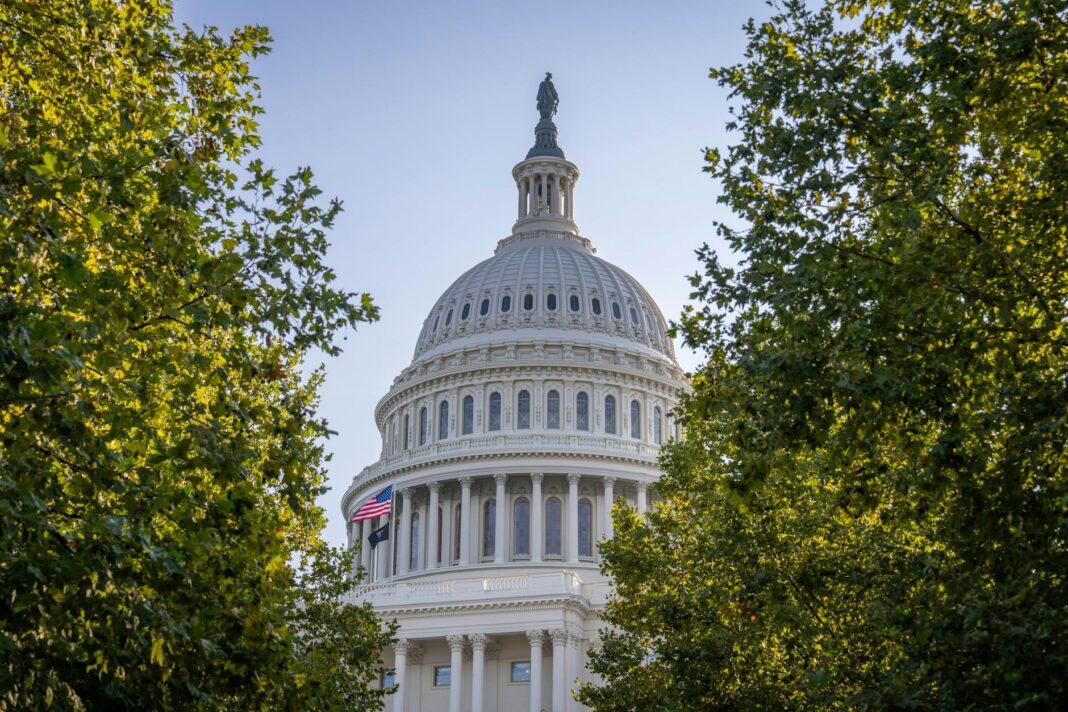
Shutdown Tensions Escalate as Sides Stand Firm
As the first day of the government shutdown unfolds, the atmosphere is charged with political tension. The White House has taken a sharp approach, directing its focus on blue states, specifically targeting them for funding cuts. This strategic move isn’t just about budgetary adjustments; it’s part of a broader narrative to frame the shutdown in a way that shifts blame squarely onto Democrats. The stakes are high, and the rhetoric is fiery.
Blame Games and Strategic Cuts
The administration is leveraging government platforms to amplify its message, aggressively portraying Democrats as the architects of this impasse. This tactic isn’t new in the realm of politics; however, its execution during this shutdown reflects a calculated effort to gain public support. By highlighting funding cuts in states that lean Democratic, the White House aims to galvanize its base while putting pressure on opposing lawmakers. The political landscape is increasingly polarized, and such maneuvers only serve to deepen the chasm between the parties.
The Fallout of a Government Shutdown
When the government grinds to a halt, the ripple effects are felt far and wide. Federal employees face uncertainty, agencies suspend services, and the public begins to lose faith in government efficacy. Essential services, from national parks to federal funding for education and healthcare, come under threat. While the political chess game plays out, everyday Americans are the ones left in the lurch. The White House’s strategy to pin the shutdown on Democrats may resonate with some voters, but it also raises questions about the long-term implications of such tactics on governance and public trust.
The Human Cost of Political Standoffs
The reality of a government shutdown is not just abstract numbers and political posturing. For millions of Americans, it translates into real hardship. Federal workers face furloughs, while small businesses that rely on government contracts see their revenues plummet. Social services may halt, leaving vulnerable populations without access to vital resources. The collateral damage of a shutdown often gets swept under the political rug, but it’s time to confront the human cost of these partisan battles.
Looking Ahead: What Comes Next?
As both sides dig in, the path forward remains murky. Negotiations are likely to be fraught with contention, and the potential for further shutdowns looms large if a compromise isn’t reached. The focus on red versus blue states only deepens the divide, and as each party tries to score points, the priority of the American populace often gets drowned out. The question remains: how long can this standoff last before the consequences become too great to ignore?
Public Sentiment and Political Accountability
In this age of social media and instant communication, public sentiment plays a crucial role in the unfolding drama. Voters are more informed than ever, and they aren’t shy about voicing their opinions. As each party spins the narrative to suit its agenda, the pressure mounts to deliver results. Politicians must recognize that accountability extends beyond the walls of Congress; it reaches into the homes and lives of their constituents. If leaders fail to bridge the divide and prioritize the needs of the people, they do so at their own peril.
Questions
What strategies are effective in resolving government shutdowns?
How do these political tactics impact public perception of government?
What are the potential long-term effects of continued partisan divides?