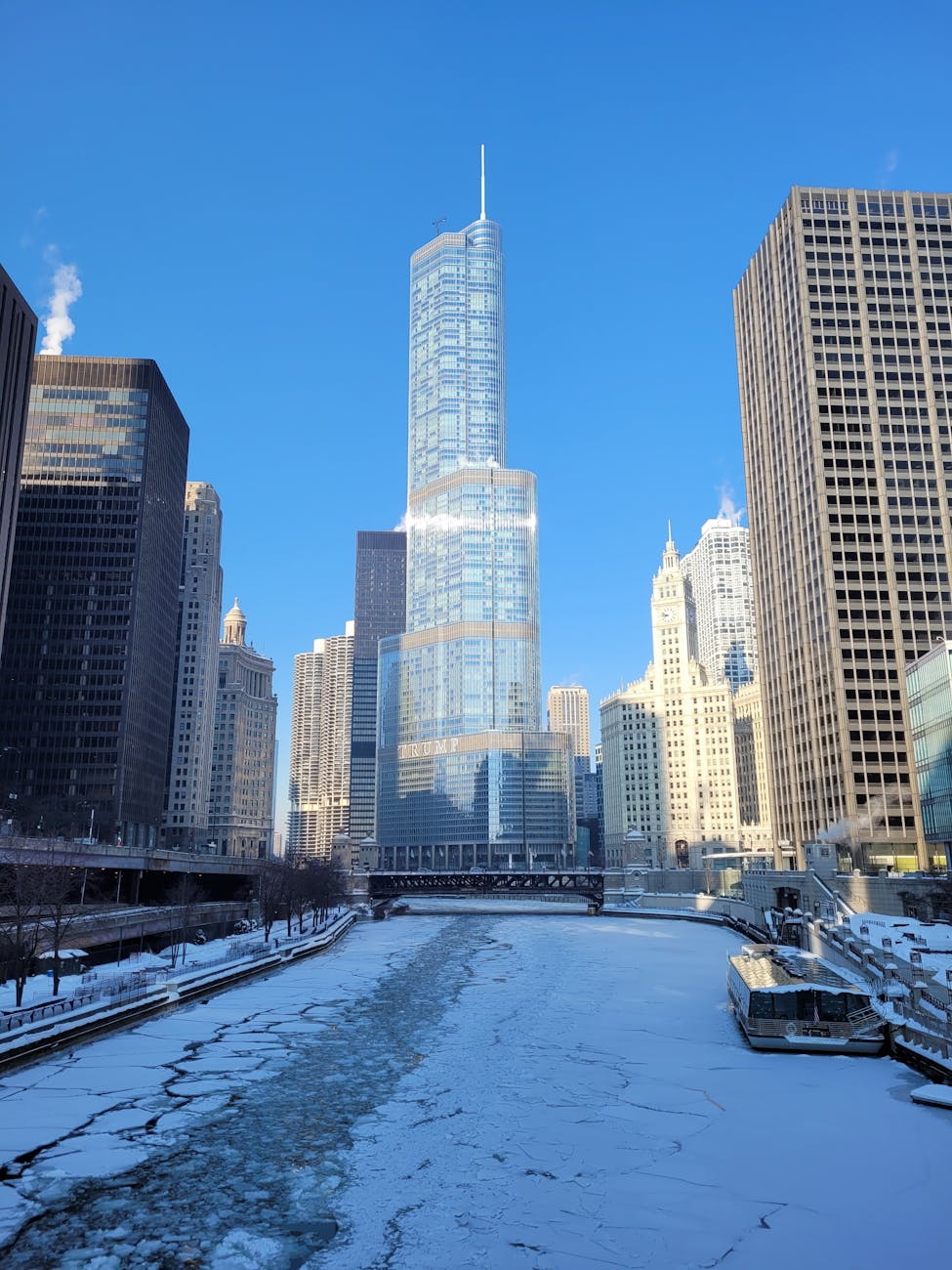
Intensifying ICE Operations in Chicago
In a striking move, the federal government has ramped up its enforcement actions in Chicago, utilizing advanced technology and military support to bolster its presence in the city. This operation comes as part of a broader strategy to tighten immigration enforcement, particularly in urban centers where undocumented individuals are believed to congregate. The announcement, made more than three weeks ago, signaled a new chapter in the ongoing debate over immigration policy in America.
High-Tech Surveillance and Military Presence
Equipped with drones, helicopters, and trucks, the U.S. Immigration and Customs Enforcement (ICE) is not holding back in its approach. The use of aerial surveillance allows agents to monitor large areas of the city from above, gathering intelligence that can lead to arrests and detentions. The presence of National Guard troops further amplifies the operation, creating a sense of heightened security and, for some, tension within communities that are already on edge regarding immigration enforcement.
The deployment of these high-tech resources is unprecedented in Chicago, a city known for its diverse population and strong immigrant communities. The combination of aerial and ground forces provides ICE with a tactical advantage, allowing them to operate with a level of coordination that hasn’t been seen before. This means they can track movements, identify hotspots, and act quickly when necessary. But this approach raises serious questions about the implications for civil liberties and the potential for overreach.
The Impact on Chicago Residents
For many residents, this increased visibility of federal agents has sparked fear and uncertainty. Communities that have long been considered safe havens for immigrants are now grappling with the reality of a crackdown that could lead to increased deportations. Local organizations and advocates are voicing their concerns, emphasizing the potential for racial profiling and the chilling effect this operation could have on those seeking services or assistance. The atmosphere is charged, with many questioning the balance between national security and community safety.
Reports from community leaders indicate that individuals are beginning to avoid public spaces, fearing they could be targeted simply for their appearance or accent. Schools, clinics, and local businesses are feeling the heat as people become more hesitant to engage with services that could expose them to authorities. The impact extends beyond just those directly affected; families are living in fear, with children anxious about the safety of their parents and loved ones. This dynamic creates a rift in trust between communities and law enforcement, further complicating the already fraught relationship.
Broader Implications for Immigration Policy
This operation in Chicago may be indicative of a larger trend in immigration policy across the United States. As the federal government takes a hardline approach to immigration enforcement, cities with significant immigrant populations may find themselves caught in a tug-of-war between local values and federal mandates. The implications of these actions extend beyond immediate law enforcement; they touch on issues of community trust, public safety, and the integration of immigrants into American society.
In response, some local officials and advocates are pushing back, advocating for policies that protect residents regardless of their immigration status. Sanctuary city policies, which aim to limit cooperation between local law enforcement and federal immigration authorities, are being discussed as a way to offer some level of protection. However, these discussions often lead to heated debates about the role of cities in enforcing federal laws and the potential risks involved.
Questions
What do you think are the long-term effects of increased ICE presence in cities?
How can communities balance safety with the rights of undocumented individuals?
Is there a way to ensure that enforcement does not lead to racial profiling?