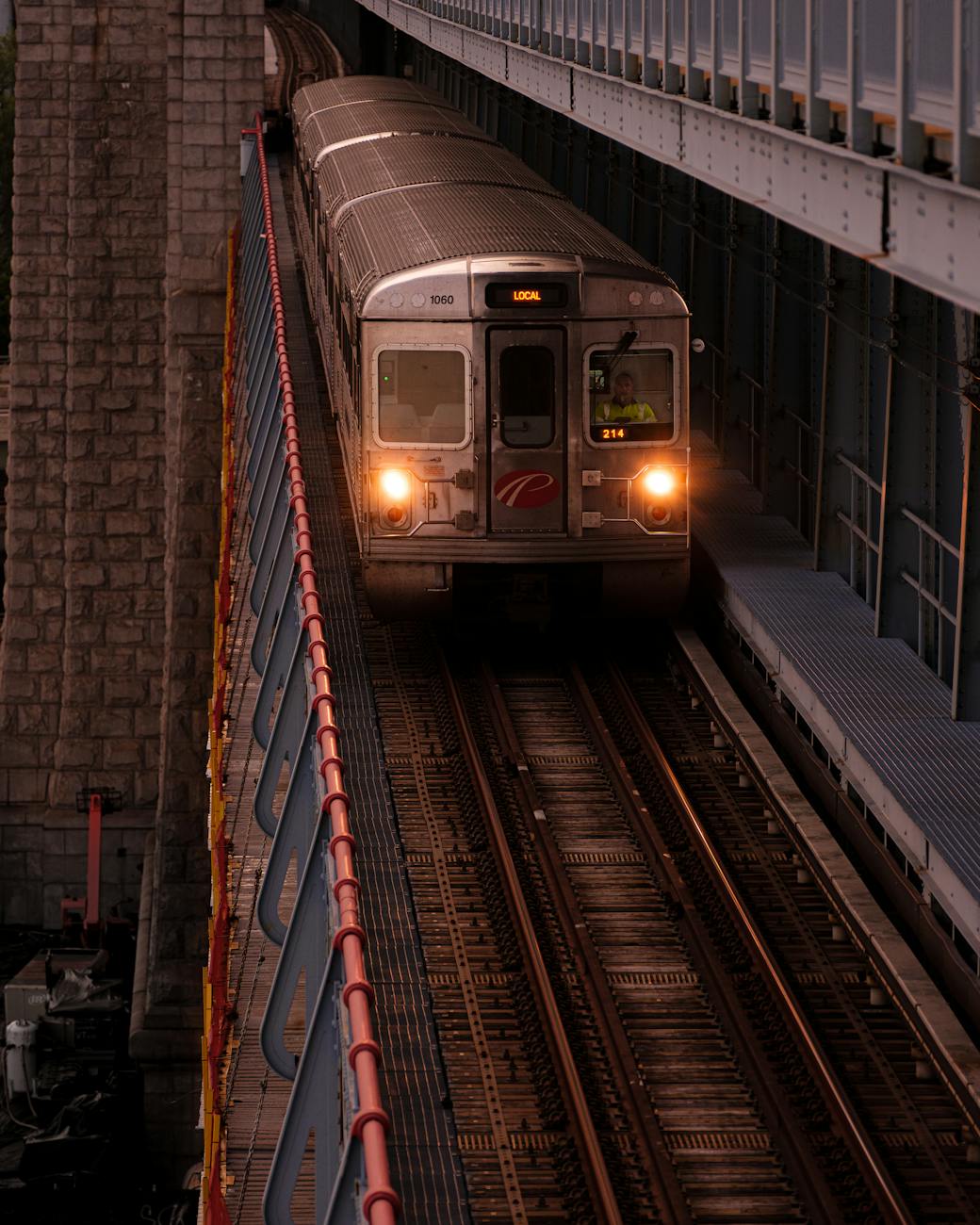
NTSB Issues Stark Warning to Philadelphia Transit Agency
The National Transportation Safety Board (NTSB) has delivered a harsh critique of the Philadelphia transit agency, citing significant safety concerns regarding the city’s aging rail cars. The NTSB’s findings are a wake-up call, highlighting that these outdated trains pose an unacceptable risk to passengers and rail workers alike. With the current state of the rail fleet deemed inadequate, the agency is urging swift action to address the lapses before a tragedy occurs. This isn’t just a bureaucratic formality; it’s a matter of life and death.
Hundreds of Trains at Risk
According to the NTSB, the number of rail cars in need of immediate attention is staggering. Hundreds of these aging vehicles are operating far beyond their intended lifespan, raising alarms about their reliability and safety. The NTSB’s report suggests that these trains should be taken out of service until they can be retrofitted or completely replaced. This recommendation isn’t just a suggestion; it’s an urgent call to action aimed at preventing potential disasters on the tracks.
The report highlights a concerning trend: many of these rail cars have been in service for decades and show signs of wear and tear that could compromise their functionality. When trains are pushed past their limits without proper maintenance and upgrades, the risk of train fires or mechanical failures skyrockets. Passengers deserve better than outdated equipment that could fail at any moment. A proactive approach to safety is not just preferable; it’s essential.
The Implications of Ignoring Safety Concerns
Ignoring the NTSB’s recommendations could lead to catastrophic consequences. With rail travel being a vital mode of transportation for many commuters in Philadelphia, the stakes are high. The risk of train fires or mechanical failures is not just a liability; it’s a matter of public safety. The transit agency must grapple with the reality that continued operation of these unsafe trains could lead to severe accidents, injuries, and even fatalities. The message is clear: action must be taken before it’s too late.
In the past, we’ve seen how neglecting safety protocols can have dire repercussions. The NTSB’s warning serves as a reminder that complacency can lead to disaster. The agency’s report shines a light on the critical need for a comprehensive safety overhaul. It’s not enough to patch things up temporarily; a complete reevaluation of the transit system is necessary to restore public trust and ensure the safety of all riders.
What Comes Next?
As the transit agency faces mounting pressure to modernize, the question remains: how will they react to the NTSB’s findings? Will they prioritize public safety over budget constraints, or will they continue to let these risks linger? The community is watching closely, and the urgency for change is palpable. With the safety of countless riders hanging in the balance, the transit agency has no choice but to step up its game and address these critical issues head-on.
Moreover, the transit agency must engage with the community to rebuild trust. Transparency about safety measures and future plans can go a long way in reassuring riders that their well-being is a priority. Public forums, updates on safety initiatives, and open lines of communication could help bridge the gap between the agency and the people it serves. After all, the public deserves to know how their safety is being prioritized.
Questions
What immediate actions should the Philadelphia transit agency take to resolve safety issues?
How can the community advocate for safer transit options and hold the agency accountable?
What are the long-term solutions to prevent similar issues in the future, and how can they be funded?