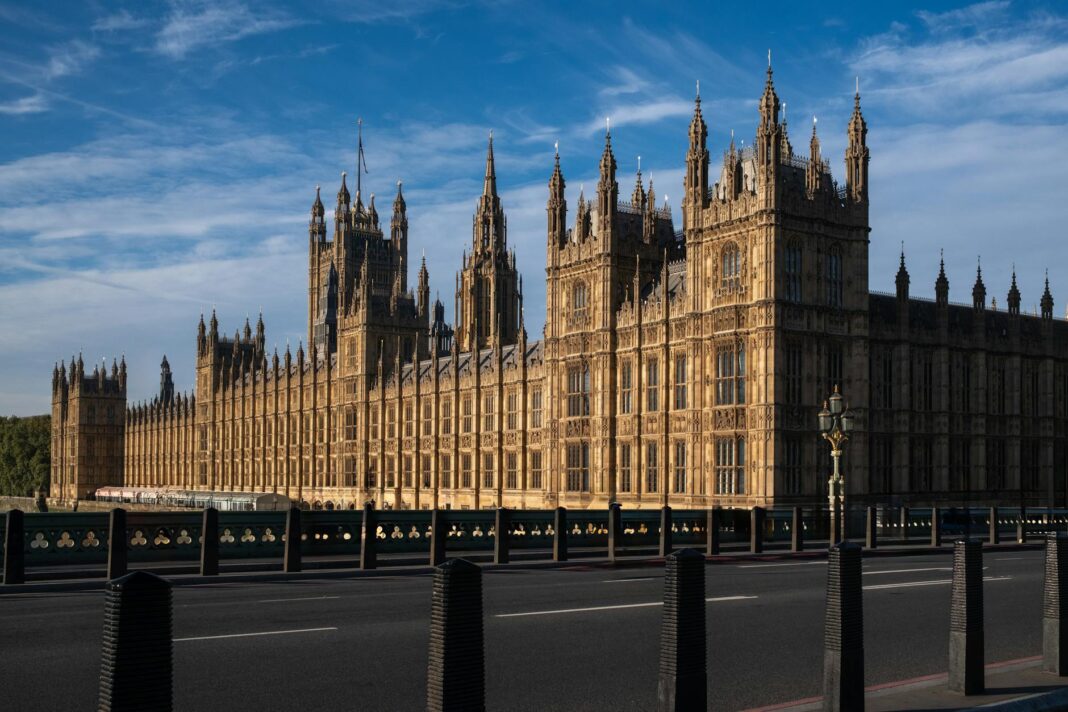
Senate Stalemate: Government Shutdown Likely to Extend into Next Week
The ongoing battle in the Senate has reached a boiling point, as both Democratic and Republican funding plans face inevitable defeat for the fourth time. With no signs of compromise or genuine dialogue between party leaders, the government shutdown is set to drag on, leaving millions in uncertainty.
As the clock ticks down, the implications of this political deadlock are severe. Federal employees are left in limbo, government services are strained, and public sentiment is increasingly weary of the partisan gridlock that has become the norm in Washington. Each failed attempt to pass a budget serves as a reminder of the deep divisions that plague Congress and the inability of lawmakers to work together for the common good.
Every time Senate leaders attempt to push through a funding measure, it gets shot down—time and time again. This repetitive cycle is not just an annoyance; it’s a glaring failure of leadership. With each failed vote, the chances of reaching a resolution seem to diminish. The lack of communication among party leaders is conspicuous, leading many to question whether any real effort is being made to bridge the divide. The absence of constructive dialogue raises concerns about the future of governance in a country that thrives on democratic processes.
This situation isn’t just a political chess game; it has real-world consequences. Essential government services are put on hold, and federal employees face unpaid leave or furloughs. Many Americans depend on these services, and the longer the shutdown continues, the more the public feels the strain. The economic ramifications could ripple outward, affecting everything from small businesses to national parks. Local economies that rely on tourism and government contracts are already feeling the pinch, and the longer this drags on, the more damage is done.
Consider the impact on veterans, low-income families, and small businesses that benefit from government contracts. Every day the shutdown persists, more people are affected. Uncertainty leads to decreased consumer spending, which in turn can slow economic growth. It’s a vicious cycle that lawmakers seem unwilling to break. As if that weren’t enough, the psychological toll on federal employees who are left wondering when their next paycheck will arrive cannot be overstated. Many are already struggling to make ends meet, and the stress of an extended shutdown adds another layer of anxiety.
As we head into next week, the pressure is mounting. Will legislators finally find a way to come together and end this deadlock? Or will they continue to prioritize their party agendas over the needs of the nation? The stakes are high, and the public is watching closely. With each passing day, the frustration grows, and constituents are increasingly vocal about their discontent. The more the public expresses their anger, the more likely it is that lawmakers will be forced to take action—if only to save their political skins.
In an age where information travels at lightning speed, citizens are more informed and engaged than ever before. Social media serves as a platform for public outcry, and it’s becoming increasingly clear that voters are tired of the status quo. The current situation may serve as a catalyst for change, pushing Congress to reconsider how they approach budget negotiations in the future. Perhaps the looming threat of voter backlash will finally compel leaders to set aside their differences and prioritize the needs of the American people.
Questions
What are the immediate effects of the government shutdown on federal employees?
How might this ongoing stalemate affect public opinion on Congress?
What strategies could be employed to break the deadlock in the Senate?