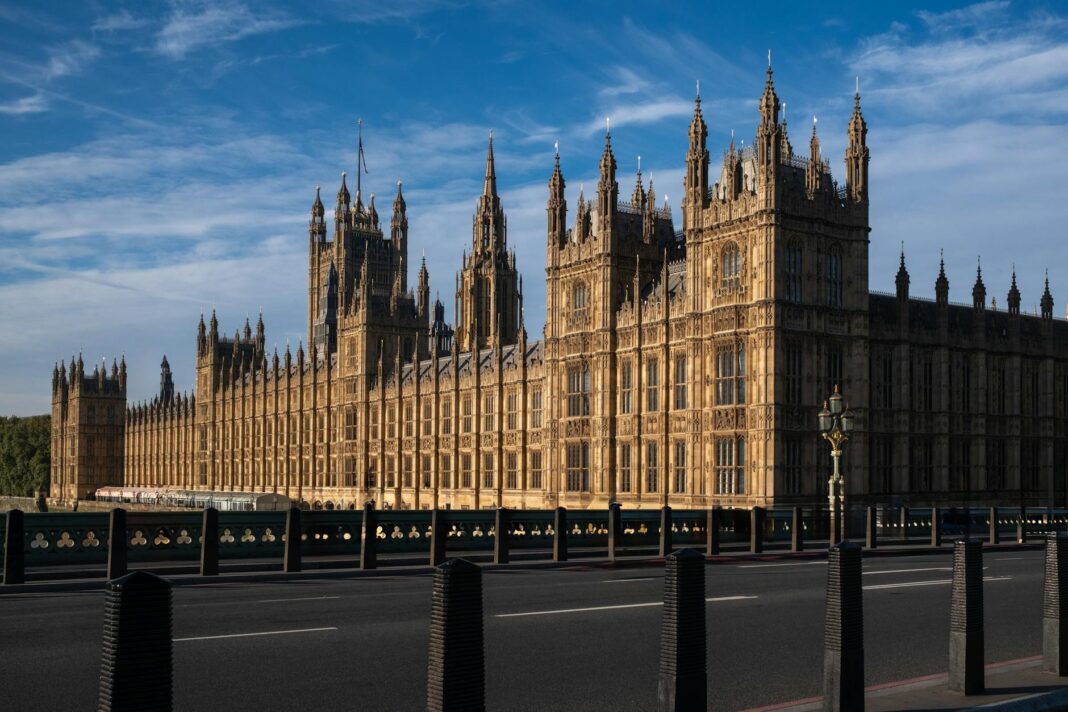
Government Shutdown Enters the Weekend
The government shutdown, a recurring theme in American politics, is set to stretch into the weekend. With Senate Democrats firmly opposing a GOP plan, the stalemate continues, leaving many wondering how long this impasse will last. As citizens brace for potential disruptions in services and benefits, the urgency for a resolution has never been more palpable. The current situation echoes previous shutdowns, highlighting a pattern of dysfunction that frustrates many Americans.
Senate Minority Leader’s Stance
At the forefront of the Democratic resistance is Senate Minority Leader Chuck Schumer. Schumer has made it clear that he seeks a bipartisan approach to resolving the deadlock. His calls for negotiations focus not just on a continuing resolution to fund the government, but also on vital issues such as healthcare credits, which could impact millions of Americans. Schumer’s insistence on collaboration indicates a strategy aimed at fostering dialogue rather than deepening divisions. The Democrats’ position is rooted in the belief that without cooperation, any temporary solution will ultimately fall short, leaving critical issues unresolved.
The Stakes of a Prolonged Shutdown
As the days drag on, the implications of a prolonged government shutdown become increasingly serious. Federal employees face the uncertainty of unpaid work or furloughs. This situation not only affects the financial stability of those employees but also places additional burdens on local economies, particularly in areas heavily reliant on federal jobs. Citizens may see delays in essential services such as social security, veterans’ benefits, and public health programs. The economic ramifications could ripple through various sectors, affecting everything from small businesses to major federal contractors. The longer this standoff continues, the more the pressure mounts on both sides of the aisle to come to an agreement.
Public Sentiment and Political Fallout
The public’s patience is wearing thin. Opinions on both parties are mixed, but the general sentiment leans towards frustration with the political gridlock. Many Americans are tired of seeing their everyday lives affected by what often feels like a game of political chicken. Polls indicate a growing discontent with lawmakers who seem more focused on party lines than on the needs of their constituents. The consequences of this shutdown could extend beyond immediate financial impacts, possibly influencing future elections as constituents hold lawmakers accountable for their roles in the deadlock. Voters are increasingly likely to remember which representatives failed to act in times of crisis.
The Path Forward
With the weekend upon us and no clear resolution in sight, the question remains: what will it take for both parties to come together? Schumer’s emphasis on bipartisan negotiations suggests that a collaborative approach could be the only way out of this quagmire. However, with entrenched positions on both sides, finding common ground may prove challenging. The stakes are high; a prolonged shutdown could lead to significant backlash from the public, potentially resulting in shifts in party loyalty as voters demand accountability and action from their leaders. Until then, the federal government’s operations will remain in limbo, leaving many to wonder how much longer this situation can persist. The urgency for a resolution is palpable; the clock is ticking, and the consequences of inaction could be dire.
Questions
What are the immediate consequences of the government shutdown for federal employees?
How might public frustration with this political deadlock influence future elections?
Will bipartisan negotiations lead to a resolution, or is further conflict inevitable?