Governor Kotek’s Strategic Readiness for Military Intervention
When former President Donald Trump suggested deploying troops to Portland, it wasn’t a spontaneous decision met with chaos. Instead, Oregon’s Governor Tina Kotek had a plan in place, reflecting a calculated approach to potential military intervention. “Our ability to respond efficiently to the President’s order of military intervention in recent days wasn’t by accident, it was by design,” Kotek revealed in a candid interview with The Oregonian/OregonLive.
Context of the Situation
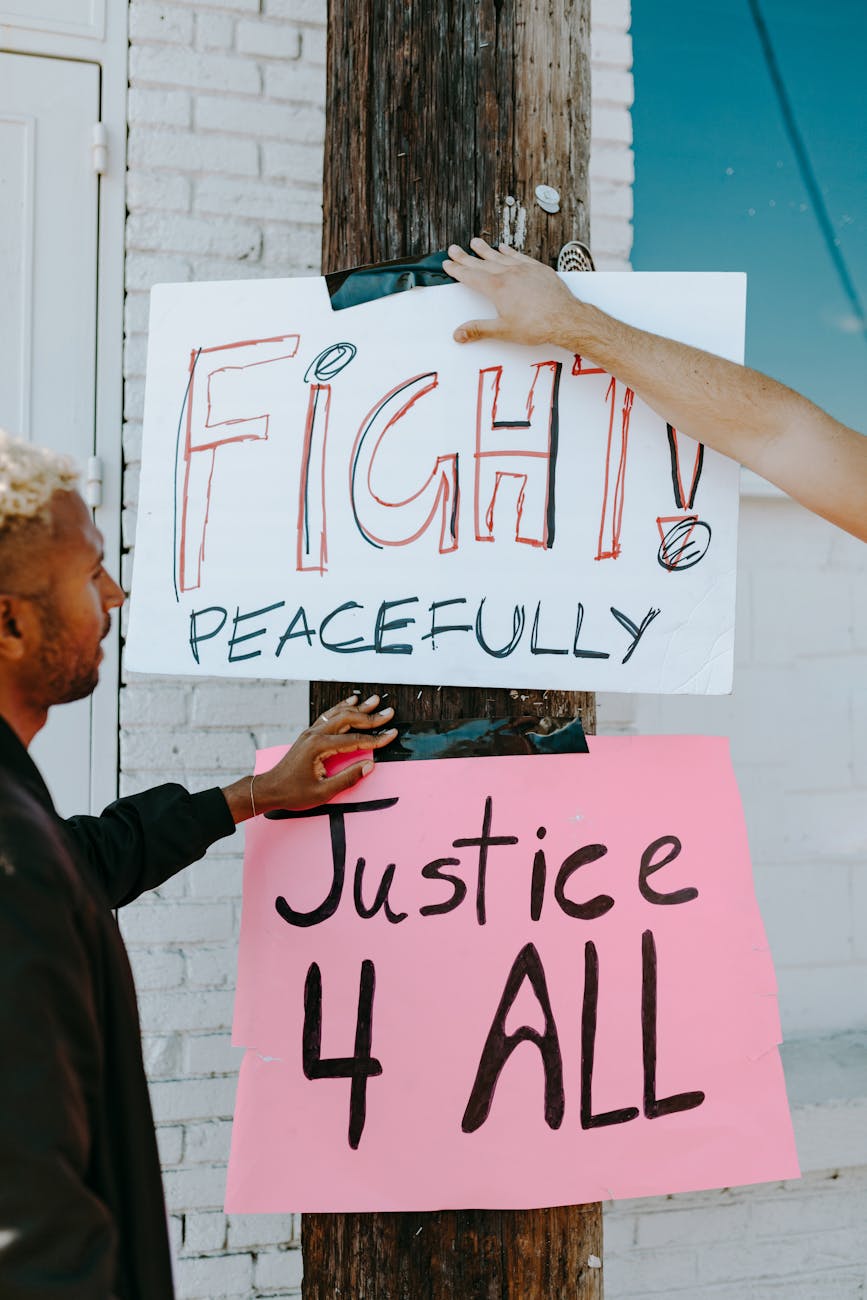
The backdrop of this unfolding scenario revolves around the civil unrest that has gripped various American cities, including Portland. Following a summer of protests and heightened tension, the idea of federal troops being deployed became a hot topic. Kotek’s administration was acutely aware of the implications such actions could have on the community and the local governance structure. The protests in Portland were not just about surface-level grievances; they were deeply rooted in issues of systemic injustice and police brutality, making the stakes exceptionally high.
Strategic Planning in Action
Governor Kotek’s readiness speaks volumes about her leadership style. Instead of waiting to react, she proactively engaged with law enforcement, community leaders, and state officials to ensure that Oregon had a cohesive response strategy in place. The goal was to maintain public safety while respecting the rights of citizens to peacefully protest. This delicate balance is often overlooked in the heat of political rhetoric but is crucial for effective governance. Her foresight included not just tactical considerations but also the emotional and psychological ramifications for residents who were fed up with ongoing tensions.
The Role of Communication
Effective communication can’t be underestimated in these tense situations. Kotek’s administration worked to keep the lines open between local authorities and the federal government. By establishing clear channels of communication, she aimed to prevent misunderstandings that could escalate into larger conflicts. This approach is essential for managing the dynamics of power, especially when federal forces are involved. Kotek’s open dialogue with community stakeholders also served to reassure the public that their voices were being heard in the decision-making process.
Importance of Local Control
At the heart of the matter is the principle of local control. Kotek’s readiness to respond to Trump’s suggestion demonstrates her commitment to the autonomy of Oregon’s governance. While federal intervention can sometimes be necessary, it often leads to friction between state and federal authorities. Kotek’s efforts underline the importance of maintaining local oversight and ensuring that state priorities remain at the forefront. This local control is not merely a bureaucratic preference; it reflects a deeper understanding of the unique challenges that Oregon faces, shaped by its community dynamics and history.
Community Engagement and Trust
Building trust within the community is essential for any government, especially during turbulent times. Kotek has been vocal about her desire to engage with residents to foster a sense of unity. By participating in town hall meetings and public forums, she has opened the floor for citizens to express their concerns directly, acknowledging that local governance should be a collaborative effort. This level of engagement helps dispel fear and uncertainty while empowering citizens to take an active role in shaping their community’s future.
Potential Future Scenarios
As tensions continue to simmer in various locales, the question remains: how prepared are other states to manage similar situations? Kotek’s proactive stance could serve as a model for other governors. The balance of power between state and federal authority is a delicate one, and the implications of military intervention can ripple through communities for years to come. The potential for future protests, coupled with the possibility of federal involvement, makes it imperative for state leaders to develop comprehensive plans that prioritize public safety without infringing on civil liberties.
Questions
What are the long-term implications of federal troop deployment in states?
How can local governments better prepare for potential military interventions?
What role should communication play in managing civil unrest?