Understanding the Aftermath of the El Segundo Refinery Fire
On a seemingly ordinary Thursday night, the Chevron refinery in El Segundo erupted into a massive fireball, sending flames and thick plumes of smoke high into the air. Neighbors felt the tremors and the panic set in as the incident unfolded around 9:30 p.m. The blaze raged through the night, drawing in firefighting crews who worked tirelessly to gain control of the situation.
Immediate Concerns for Residents
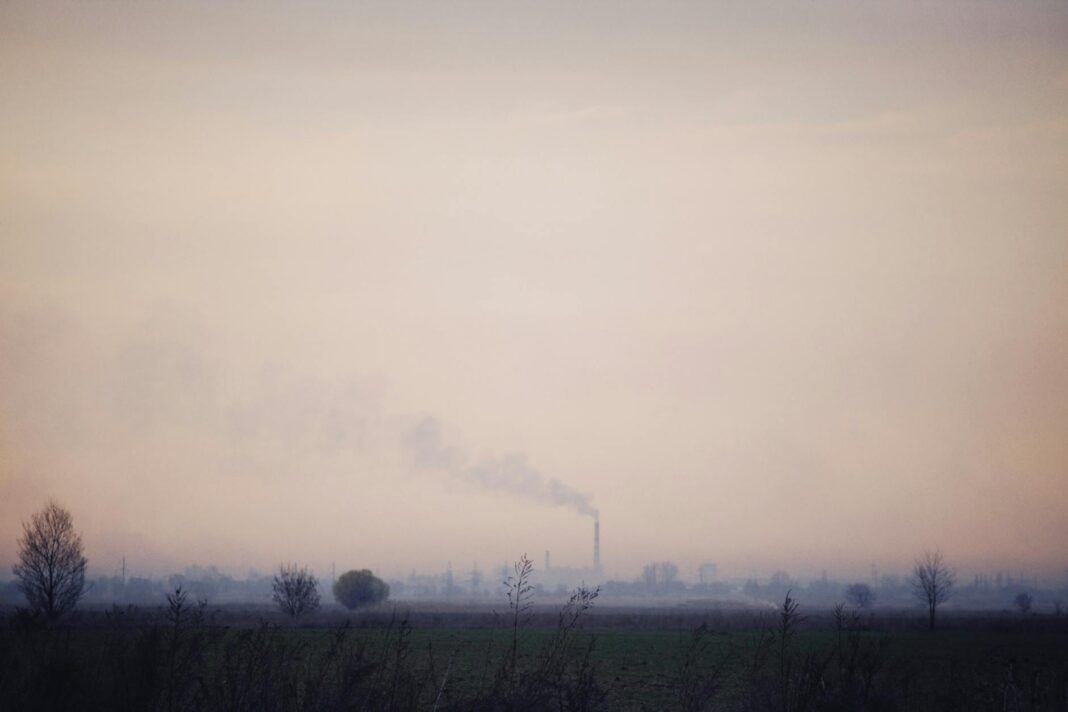
The sight of flames licking the night sky was alarming for local residents, who were understandably on edge. With such a significant industrial fire, fears about air quality and health risks took center stage. However, despite the dramatic visuals, experts have indicated that the impact on air quality has been relatively limited. This might come as a relief to those living in the vicinity, but it also raises questions about the adequacy of monitoring systems in place during such emergencies.
Expert Assessments on Air Quality
Environmental agencies and health experts quickly swung into action to assess the situation. Initial reports suggest that while there was some release of pollutants into the atmosphere, the levels detected did not reach concerning thresholds. This is a crucial distinction; while the fire was undoubtedly hazardous, the immediate air quality effects may not be as dire as one might expect. That said, the smoke and particulate matter can still pose risks, especially for vulnerable populations like those with pre-existing respiratory conditions.
Long-term Implications
While the immediate danger appears to have been mitigated, the long-term implications of the fire are still under scrutiny. The potential for residual pollutants lingering in the area is a valid concern. Monitoring air quality in the coming days and weeks will be essential to ensure that any delayed effects are caught early and addressed. It’s a reminder that while fires can be contained, their consequences may stretch far beyond the flames.
What’s Next for the Community?
Residents are left with lingering concerns about their health and safety, and many are demanding transparency from the refinery and local authorities regarding air quality monitoring. Community engagement in these discussions is vital; it ensures that the voices of those most affected are heard and prioritized. As investigations into the cause of the fire commence, it’s also an opportunity for local officials to reassess safety protocols to prevent future incidents.
Questions
What steps are being taken to monitor air quality in the aftermath of the fire?
How can residents stay informed about potential health risks related to the incident?
What long-term measures will be implemented to enhance safety at the refinery?