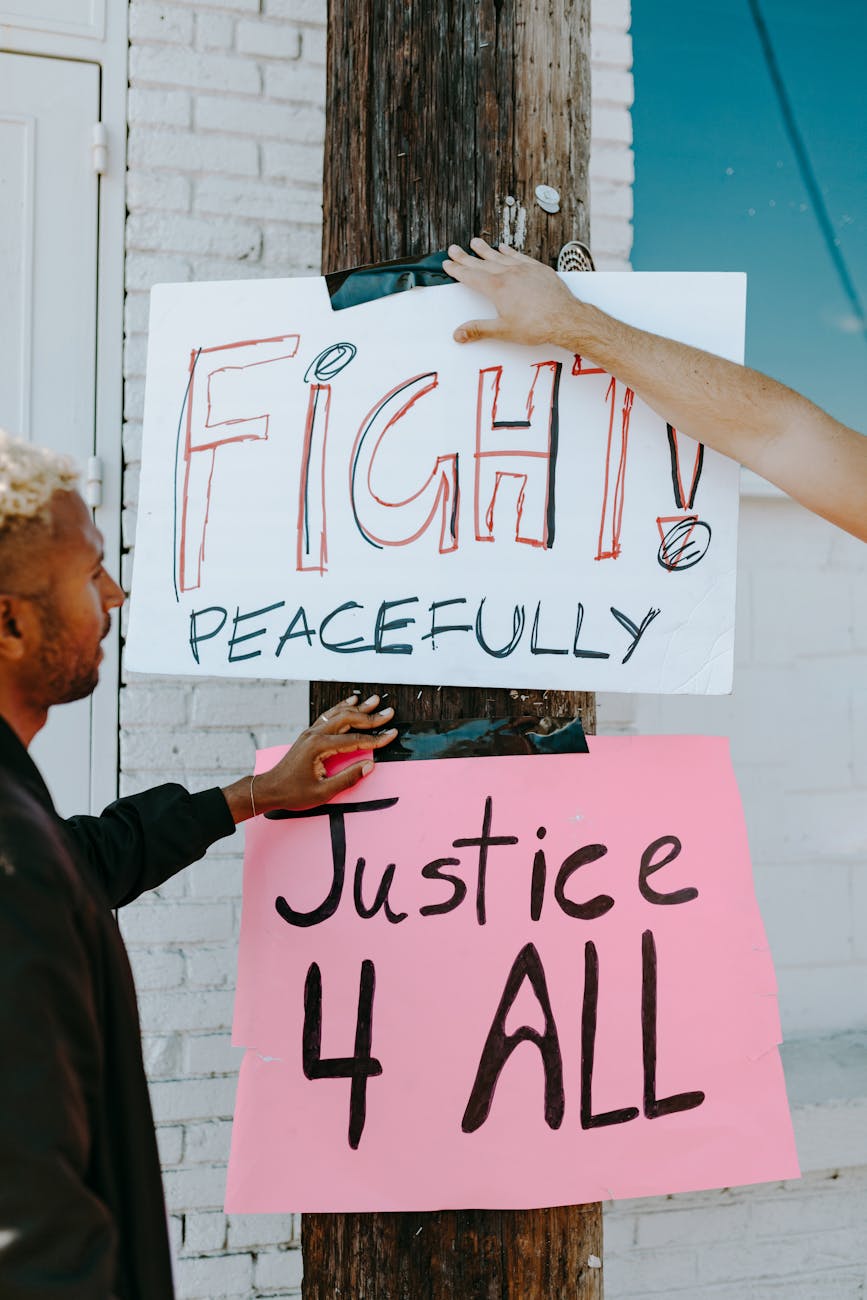
The Move to Deploy National Guard Troops
In an unexpected escalation, President Donald Trump has announced the deployment of 300 National Guard troops to Chicago. This decision follows weeks of mounting tension and threats from the administration regarding public safety in the Windy City. The move is seen as a direct response to rising crime rates and ongoing civil unrest that have plagued Chicago in recent months. By utilizing the National Guard, the federal government aims to demonstrate a strong commitment to restoring order in a city that has become emblematic of the challenges facing urban America.
Background of the Situation
Chicago has long struggled with violence, particularly gun-related incidents, which have surged amid the ongoing national dialogue around policing and community safety. The city has faced a perfect storm of challenges: increased gang activity, economic disparities, and the social fallout from the COVID-19 pandemic. These issues have not only contributed to rising crime rates but have also intensified community grievances regarding police practices. In this context, Trump’s announcement comes as a contentious attempt to assert federal authority in a matter that many argue should be handled at the local level.
The administration has been vocal about the need for a strong law enforcement presence to combat crime, citing statistics that show a troubling increase in shootings and homicides. The deployment of the National Guard is positioned as a necessary measure to restore public safety and reassure residents who feel increasingly vulnerable in their own neighborhoods. However, local leaders and community advocates have raised alarms about the implications of bringing in military personnel, fearing that it could escalate tensions rather than defuse them.
Reactions from Local Leaders
The reactions to the deployment have been mixed and revealing. Some local officials and community leaders express concern about the militarization of the city and the potential for increased tension between law enforcement and communities already on edge. Critics argue that past experiences with similar deployments have often resulted in clashes rather than cooperation. They worry that the presence of National Guard troops could lead to an atmosphere of fear and mistrust, further alienating residents from the very institutions meant to protect them.
On the flip side, there are those who welcome the additional support. Some residents believe that a stronger law enforcement presence could help restore order in neighborhoods suffering from rampant violence. They argue that the National Guard could provide much-needed resources and manpower to assist local law enforcement agencies that may be stretched thin. Proponents of the deployment contend that without immediate action, the situation will only worsen, with innocent lives at stake.
The Operations On the Ground
The deployment is set to begin shortly, with troops arriving and preparing to assist local law enforcement. Key operations are expected to focus on high-crime areas, where the presence of additional personnel may provide a deterrent effect on criminal activity. The National Guard’s role will likely include patrolling neighborhoods, engaging with community members, and supporting police in response to incidents as they arise. However, the effectiveness of this strategy hinges on the ability of troops to engage positively with a public that may be skeptical of their presence.
What’s Next for Chicago?
The situation in Chicago is fluid, and the deployment of the National Guard may be just the beginning of a larger federal intervention. As the troops settle in, the city will be watching closely to see if this move leads to a tangible decrease in crime or if it exacerbates existing tensions. The administration’s strategy appears to hinge on swift results, but the reality on the ground may tell a different story. Chicagoans are left wondering whether this approach will yield the desired outcomes or if it will become another chapter in the long narrative of conflict between communities and law enforcement.
Questions
What impact do you think the National Guard’s presence will have on crime rates in Chicago?
How might this deployment affect community-police relations in the city?
Are there alternative strategies that could address crime without military involvement?