

The State of the Shutdown
The government shutdown is currently in full swing, and as the days drag on, the outlook for resolution seems bleak. With lawmakers on both sides of the aisle entrenched in their positions, it’s hard to see a clear path forward. However, there are a few potential scenarios that could lead to an end to this stalemate. Here’s a closer look at four possibilities that could unfold in the coming days or weeks.
Scenario 1: Bipartisan Compromise
One of the most optimistic outcomes would see both parties come together to negotiate a bipartisan deal. This would require a significant shift in approach from both Democrats and Republicans, who have so far struggled to find common ground. A compromise would likely involve concessions on both sides, focusing on key issues such as funding levels and budget priorities. If party leaders can find a way to negotiate in good faith, this scenario could pave the way for a swift resolution.
Scenario 2: Short-Term Funding Bill
Another potential resolution could come in the form of a short-term funding bill. This would allow the government to reopen temporarily while lawmakers work out the details of a longer-term budget. Historically, short-term funding measures have been a common way to break impasses, giving both sides some breathing room to hammer out a more comprehensive agreement. However, relying on stopgap measures can lead to repeated crises, so this solution might only delay the inevitable.
Scenario 3: Public Pressure and Protests
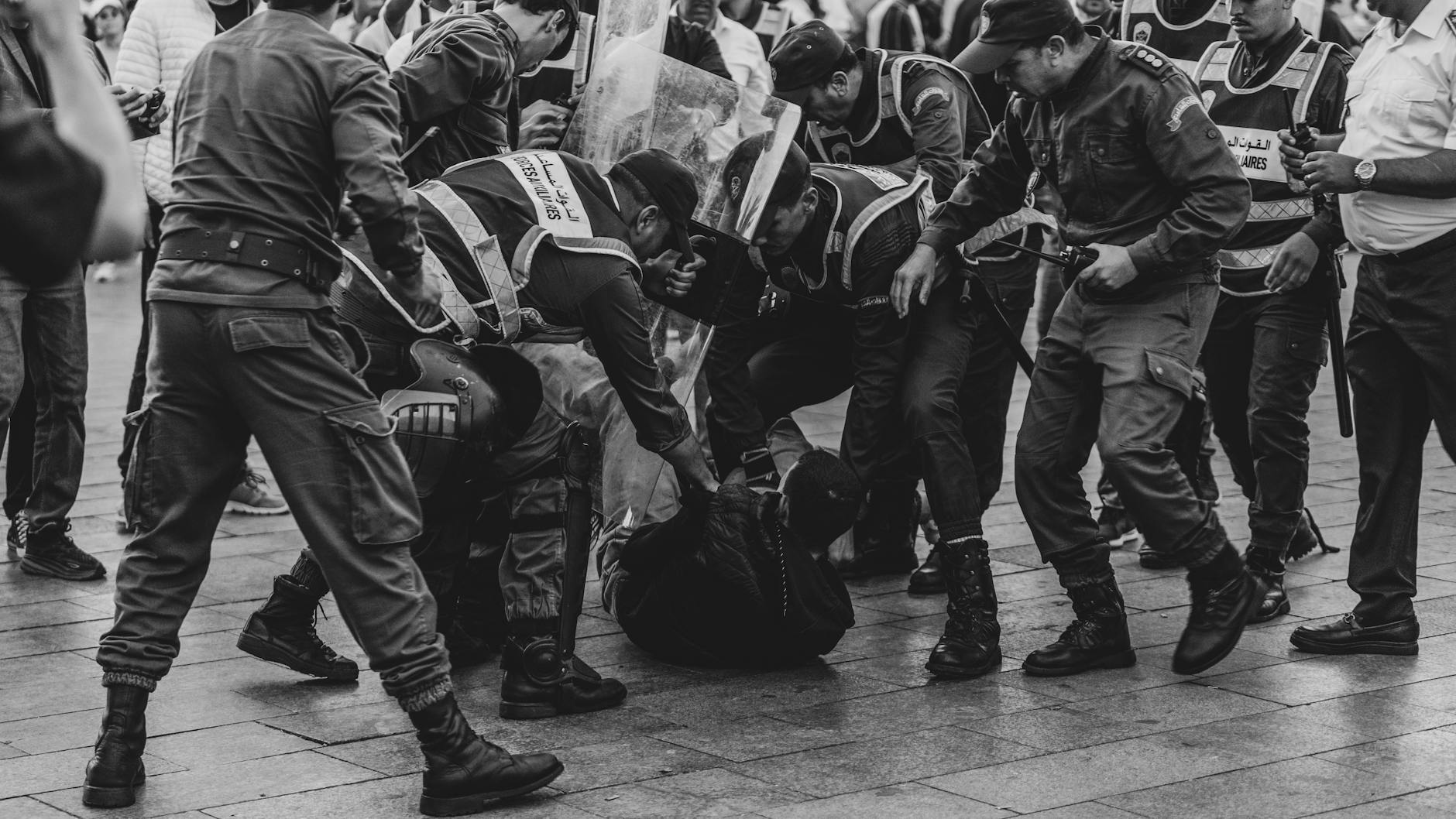
Public opinion plays a crucial role in political maneuvering, and as the shutdown continues, discontent among citizens may rise. Outcry from constituents, coupled with protests and advocacy efforts, could pressure lawmakers to act. If enough voters demand a resolution, politicians may feel compelled to respond or risk losing their support in future elections. This grassroots pressure could catalyze action and push both parties toward a compromise.
Scenario 4: A Leadership Change
Lastly, if the deadlock continues, a change in leadership could be a game-changer. Whether it’s a new Speaker of the House or shifts in key committee positions, fresh leadership could bring different strategies and perspectives to the table. Sometimes, a new face can ignite the momentum needed to move negotiations forward and break the cycle of stalemate. This scenario hinges on internal party dynamics and the willingness of leaders to embrace change.
Questions
What do you think is the most likely scenario to end the shutdown?
How long can lawmakers afford to wait before they face public backlash?
In your opinion, what impact will this shutdown have on upcoming elections?