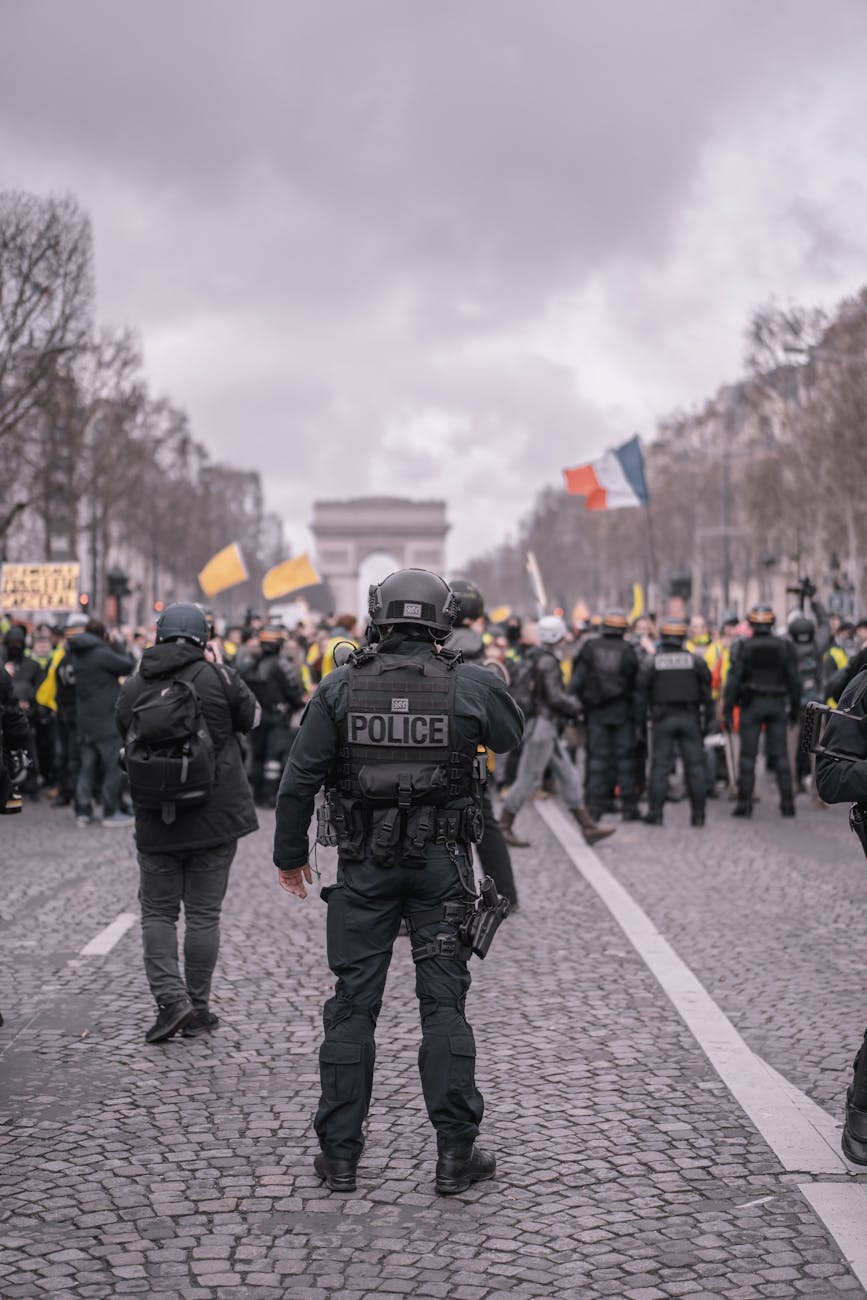
Portland in the Spotlight: A Weekend of Turmoil
This past weekend, Portland emerged as a focal point for nationwide unrest, igniting discussions around law enforcement, civil liberties, and the role of the National Guard. The city, known for its progressive stance, found itself grappling with the fallout from protests against Immigration and Customs Enforcement (ICE). While demonstrators took to the streets to voice their frustrations, the situation escalated quickly, drawing both local and national attention.
Unraveling Tensions: Tear Gas and National Guard Activations
As protests intensified, the Portland police resorted to using tear gas to disperse crowds. This reaction was not without controversy; it sparked debates on the appropriateness of such measures in handling peaceful protests. The deployment of tear gas has historically been a flashpoint in discussions about police tactics, and this instance was no different. Demonstrators argued that the police response was excessive, while law enforcement maintained it was necessary to restore order.
Federal Overreach? The National Guard Dilemma
Adding fuel to the fire was President Trump’s insistence on deploying National Guard troops to Portland. This decision faced considerable pushback from both city and state officials, who argued that the presence of military personnel would only exacerbate tensions. A federal judge even issued a restraining order against the deployment, emphasizing the legal complexities surrounding the intervention. This situation raised significant questions about federal authority versus local governance—an ongoing struggle in many American cities.
The Reality of Misinformation
Amid the chaos, misinformation ran rampant. Claims circulated that Portland was “burning to the ground,” which were grossly exaggerated. While the protests were indeed intense, the reality was far more nuanced. Local businesses and residents faced the brunt of the fallout, as the narrative surrounding the protests often overshadowed the voices of those genuinely affected. The spread of false information only served to deepen divides and complicate the path toward resolution.
Finding a Path Forward
As Portland grapples with these challenges, it’s clear that the road ahead will require dialogue, understanding, and a commitment to addressing the root causes of unrest. The involvement of the National Guard and the use of tear gas may have been immediate responses, but they don’t address the underlying issues driving the protests. Moving forward, it’s crucial for city leaders and community members to engage in meaningful conversations to foster healing and prevent future conflicts.
Questions
What role should local authorities play in managing protests effectively?
How can communities combat misinformation during times of unrest?
What measures can be taken to address the root causes of civil discontent?