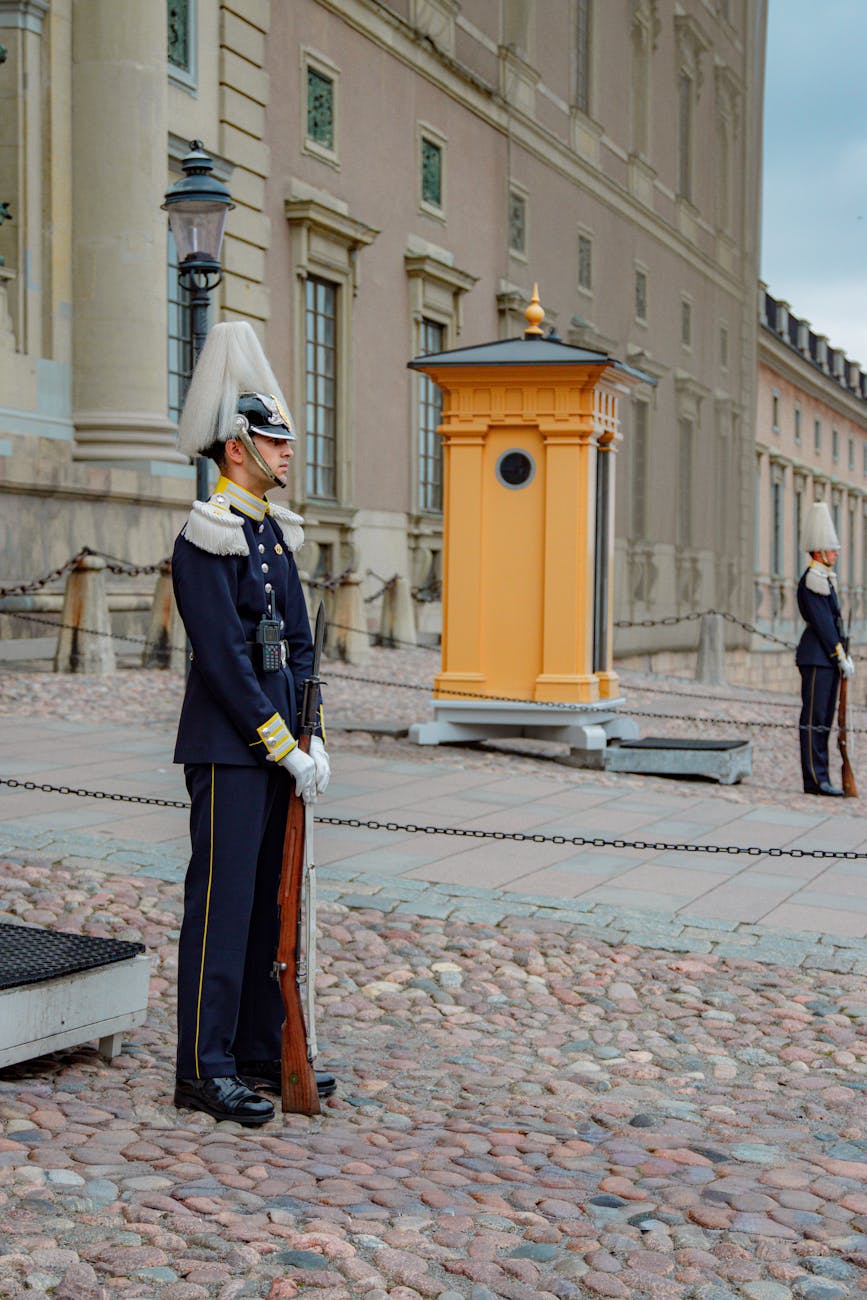
National Guard Troops Mobilized in Chicago
Chicago is on edge as National Guard troops arrive in the city, a move that has sparked fierce debate and unrest. With the backdrop of rising tensions and public outcry, Illinois Governor J.B. Pritzker has openly criticized the federal government’s actions, labeling it a “military invasion.” The situation is not just a local concern; it’s a flashpoint that symbolizes broader issues of governance, civil rights, and authority in America. The dynamics at play here are complex, and they reflect a growing division within the country about the role of military forces in civilian life.
Governor’s Outrage Over Federal Intervention
Governor Pritzker’s reaction isn’t merely political rhetoric; it stems from a palpable fear that the deployment of National Guard troops signals an erosion of civil liberties. The governor argues that such actions undermine the very rights that citizens are entitled to. In a time when Americans are increasingly wary of government overreach, Pritzker’s words resonate with those who feel their freedoms are under threat. This sentiment is a reminder that the intersection of local governance and federal authority can lead to volatile outcomes.
Moreover, the governor’s comments highlight a critical issue: the perception of safety versus the reality of freedom. Many citizens fear that the presence of armed troops in their neighborhoods may lead to an atmosphere of intimidation rather than protection. This fear can be particularly acute in communities already struggling with systemic issues. As tensions rise, it’s essential to consider whether military intervention is truly the answer or if it merely serves to deepen existing divides.
The Bigger Picture in Chicago
Chicago, a city often portrayed as a battleground for crime and unrest, now finds itself at the center of a political storm. The arrival of the National Guard is a direct response to escalating violence and social unrest, but does it really address the root causes? Critics argue that military intervention can exacerbate tensions instead of solving them. The presence of troops in urban areas is a contentious issue, leading many to question whether this is an effective strategy or just a temporary band-aid.
Many community organizations and activists argue for systemic reforms that address the underlying issues of poverty, inequality, and lack of access to resources. They contend that pouring troops into the streets does little to resolve the deep-seated problems. Instead of fostering trust and collaboration between communities and law enforcement, it can lead to a climate of fear and resentment.
Statistics and the Destruction in Gaza
As the situation unfolds in Chicago, it’s impossible to overlook the global context in which these events are occurring. The ongoing crisis in Gaza serves as a stark reminder of the complexities surrounding military interventions and the human cost associated with them. The statistics detailing the destruction in Gaza are staggering, with countless lives disrupted and families torn apart. This serves as a powerful contrast to the local turmoil being experienced in Chicago, making us question how military force is employed worldwide.
The comparison raises critical questions about the ethics of using military resources to address civil issues, both at home and abroad. What are the long-term repercussions of such actions? How do they affect the perception of the military and government institutions? The narrative surrounding military involvement in civilian matters is fraught with moral dilemmas, and as citizens, we must grapple with these questions.
Questions
What are the potential consequences of deploying National Guard troops in urban settings? How can local governments balance security and civil rights effectively? What lessons can be learned from international conflicts that may apply to domestic situations?