Public Opinion on Military Deployment
A recent survey reveals a significant sentiment among Americans regarding the use of military forces within the country. Over half of the respondents—58% to be precise—believe that the military should only be deployed to address external threats, rather than being utilized for domestic issues. This perspective comes amid various instances where the military has been called upon to manage situations in U.S. cities, particularly during times of civil unrest and protests.
Context of Military Deployment
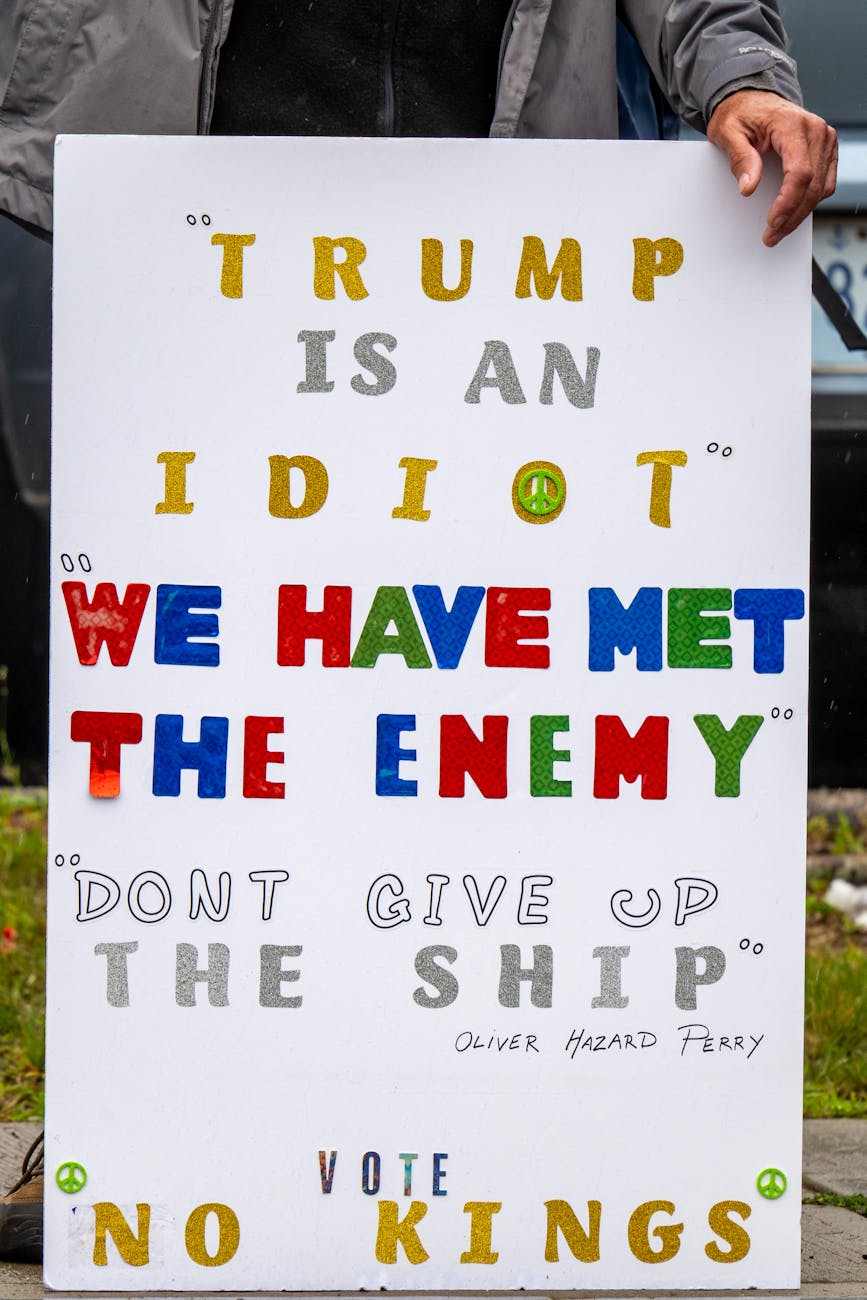
The implications of this survey are critical, especially considering recent events that stirred national debate about the role of the military in civilian spaces. The deployment of military personnel to U.S. cities, particularly during the Trump administration, raised eyebrows and ignited conversations about the proper boundaries of military engagement within American society. Many citizens feel that the military’s primary function should be to protect the nation from foreign adversaries, rather than to act as a policing force at home.
Public Sentiment and Concerns
The results of the survey indicate a clear desire among Americans to delineate the roles of military and law enforcement. Many respondents expressed concerns that deploying military troops in domestic situations could lead to escalated tensions and potential misuse of force. These fears are not unfounded; historical instances of military overreach in civilian contexts often lead to tragic outcomes and long-lasting societal repercussions.
Shifting Perspectives on Military Action
As the nation grapples with issues of security, civil rights, and the appropriate use of force, it’s essential to recognize the evolving perspectives on military action. Americans are increasingly vocal about their desire for a military that prioritizes external threats, pointing to a need for a clear separation between military and civil responsibilities. This sentiment suggests a growing awareness of the complexities involved in utilizing military assets within domestic settings.
The Future of Military Engagement
As discussions surrounding military deployment continue to unfold, policymakers must take heed of public opinion. The call for military forces to remain focused on external threats rather than internal strife reflects a broader desire for accountability and clear guidelines regarding the use of armed forces. The question remains: how will this sentiment shape future military strategy and policy? The American public’s mindset is shifting, and it could have profound implications for how the nation approaches both security and civil liberties moving forward.
Questions
What are the potential risks of using the military for domestic issues?
How can the military ensure its role remains focused on external threats?
What historical examples inform current public opinion on military deployment?