
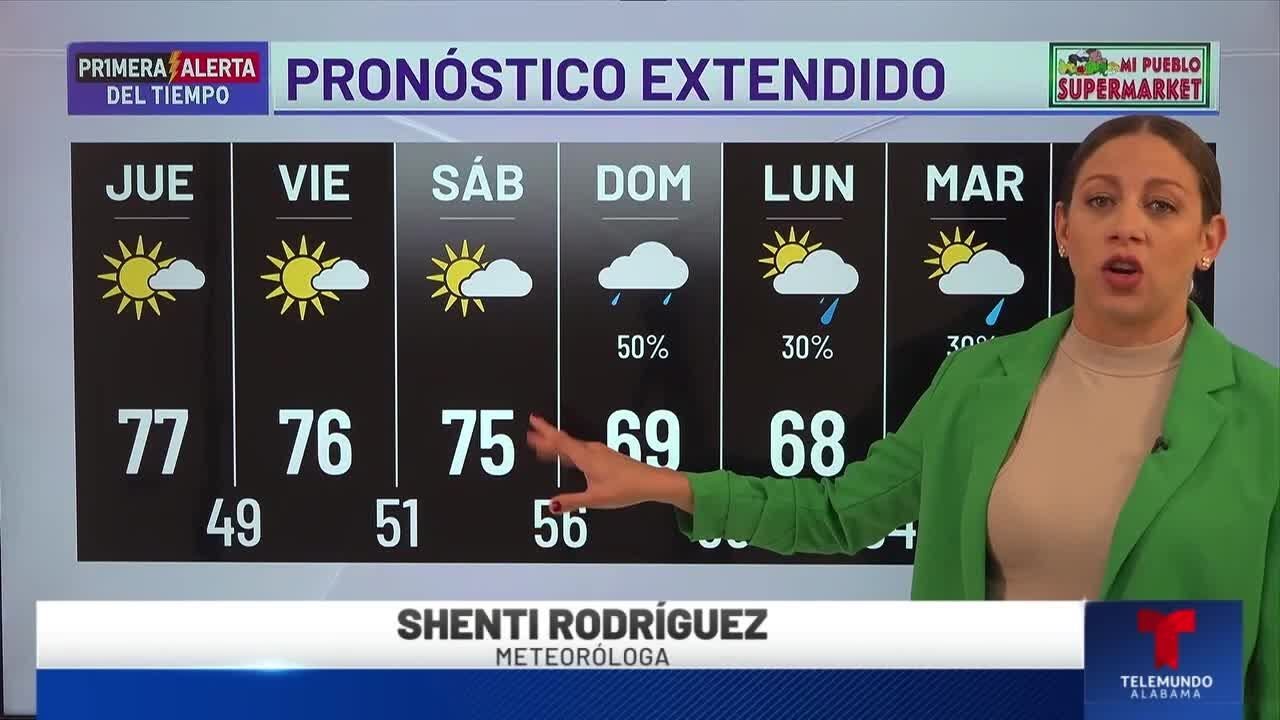

Understanding the Importance of Extended Weather Forecasts
In our fast-paced world, where weather can drastically affect daily activities, knowing what to expect in the coming days is critical. The “Primera Alerta del Tiempo: Pronóstico extendido,” or “First Weather Alert: Extended Forecast,” serves as a crucial tool for communities to prepare for significant weather changes. This service, often provided by meteorological agencies or news organizations, aims to alert the public about potential severe weather events, thus allowing for timely preparations and responses.
Components of the Primera Alerta del Tiempo
The extended forecast provided under the “Primera Alerta del Tiempo” banner encompasses several essential components, each tailored to equip individuals and organizations with the necessary information to prepare for upcoming weather conditions. The forecast typically spans several days to weeks, offering a more comprehensive outlook compared to standard short-term forecasts. This longer time frame is vital for understanding and planning around developing weather patterns. Key details include expected temperature ranges, precipitation levels, wind speeds, humidity, and the likelihood of severe weather events such as storms or extreme temperature fluctuations.
Moreover, the forecast provides geographical specificity, highlighting regions most likely to be affected by adverse weather. This localization is crucial for communities, allowing them to tailor their preparations and responses accordingly. The forecast also addresses the severity and probability of weather events, prioritizing areas of concern and aiding in effective risk management and disaster preparedness.
Significance of the Extended Forecast
Extended weather forecasts like “Primera Alerta del Tiempo” are indispensable for risk management across various sectors. They assist agricultural stakeholders in adjusting their planting and harvesting schedules, thereby mitigating potential losses due to unexpected weather conditions. The transportation industry, particularly airlines, benefits by planning for delays or cancellations, ensuring passenger safety and minimizing disruptions. Additionally, emergency services can pre-emptively mobilize resources to respond efficiently to emergencies, such as flooding or power outages.
Beyond organizational preparations, these forecasts empower individuals to make informed decisions. For instance, families can alter travel plans, secure their homes, and ensure they have necessary supplies, enhancing community resilience against unpredictable weather patterns. By staying informed through services like “Primera Alerta del Tiempo,” individuals and communities are better equipped to tackle the challenges posed by severe weather.
Conclusion
The “Primera Alerta del Tiempo: Pronóstico extendido” is more than a forecast; it is a vital resource for safety, planning, and decision-making. By offering a detailed and extended perspective on weather conditions, it enables all sectors of society to anticipate and prepare for potential disruptions. As weather patterns become increasingly unpredictable, the role of such comprehensive forecasts becomes even more critical, underscoring the need for continued investment in meteorological research and public dissemination of this vital information.