

“`html
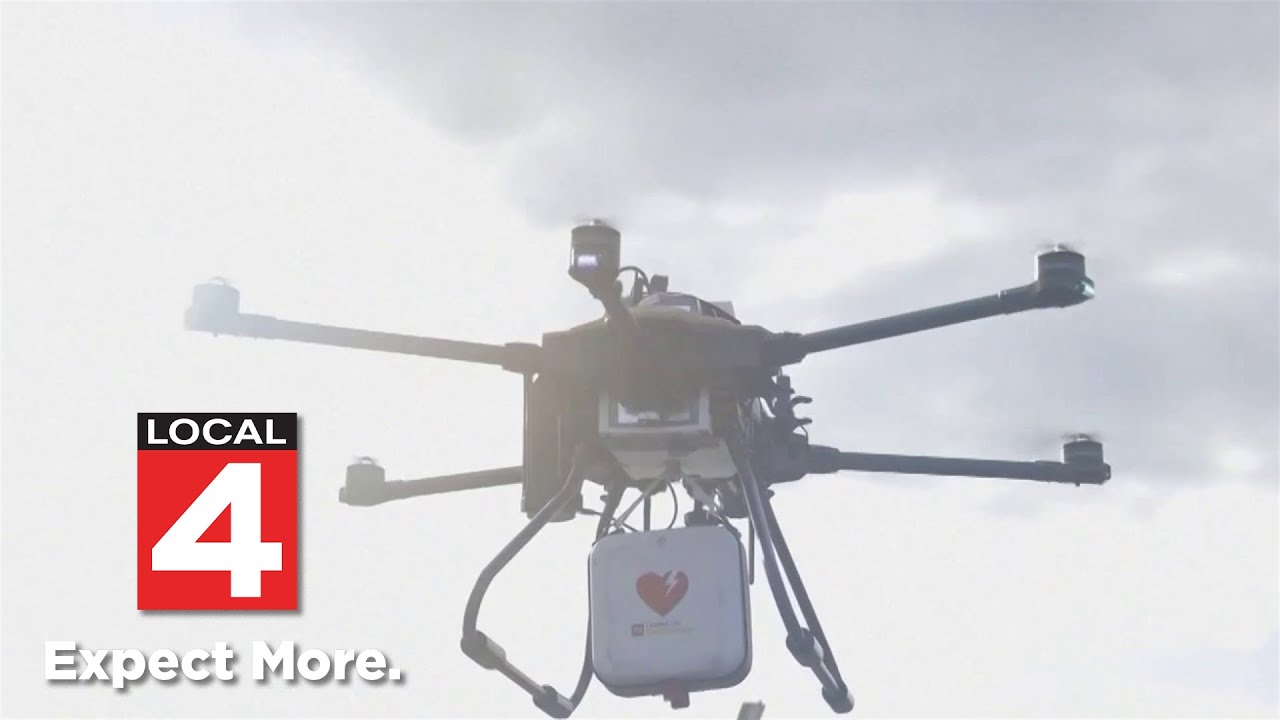
The world of emergency medical response is witnessing a transformative leap, thanks to the rapid integration of drone technology. Researchers are exploring the potential of drones to deliver critical emergency medical devices, specifically automated external defibrillators (AEDs), to improve survival rates during cardiac arrest incidents. This innovative approach is aimed at ensuring that life-saving equipment arrives at the scene in record time, ultimately giving victims a better chance at survival.
A pivotal study led by Dr. Moninque Starks at Duke Health showcases the efficacy of this method, demonstrating that drones can successfully deliver AEDs within an astounding four minutes. This time frame is crucial, as the chances of survival decrease significantly with each passing minute in cardiac arrest situations.
The program operationalizes the expertise of sheriff department drone pilots who are poised to deliver AEDs over distances of up to 4.5 miles from the emergency call location. This extended reach allows for deliveries to areas that traditional emergency responders may find challenging to access swiftly.
The implications of this technology are profound. By reducing the time it takes for life-saving equipment to reach those in need, researchers assert that drones could dramatically increase survival rates during cardiac emergencies. The program not only highlights the intersection of innovation and healthcare but also emphasizes the critical role of rapid response in saving lives.
As trials continue, the vision is clear: integrating drones into emergency care could revolutionize how communities respond to cardiac arrests, fostering a future where swift action becomes the norm rather than the exception.
“`