
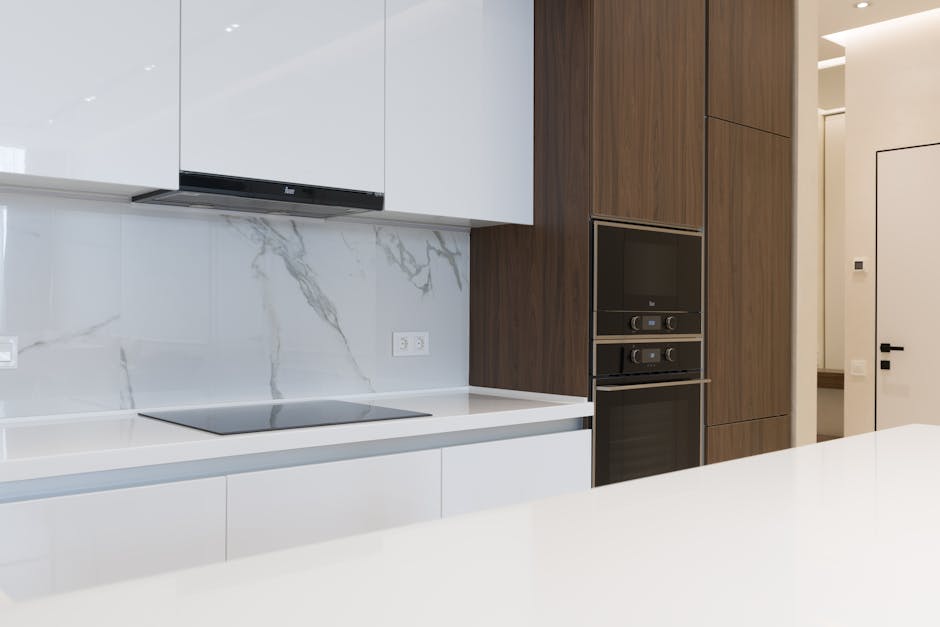

Green Gables in Woodside just snagged the top spot, selling for a staggering $85 million. That’s right—$85 million for a house. It’s not just the price that raises eyebrows; it’s the fact that tech wealth continues to drive these luxury sales skyward, especially in areas like Portola Valley and Atherton. Let’s be real here—the rich are getting richer and, apparently, more obsessed with their McMansions.
These deals aren’t happening in a vacuum. The surge can be traced right back to the tech boom and AI hype. With so much money sloshing around, it seems folks are more eager than ever to outbid one another for their slice of paradise in the Bay Area. But here’s the deal: what happens when this bubble bursts? If history is any indicator, it probably will.
So, what kind of amenities can you expect in an $85 million home? Think sprawling estates with every conceivable luxury feature, from pools that rival resort-style options to home theaters so lavish they make movie palaces look old-fashioned. But does anyone really need a personal bowling alley? Spare me the excess.
Don’t get me wrong; I get it—people want their dream home. But let’s face it, this kind of spending feels more like a competition than a genuine search for comfort or quality of life. The real story is that while tech moguls play Monopoly with these astronomical prices, regular folks are left watching from the sidelines. Now, the housing market remains painfully out of reach for many.
In San Francisco, similar trends are taking root. It’s almost as if buyers in these high-end markets have decided they’re immune to the economic tremors everyone else is feeling. Meanwhile, wages for average workers haven’t kept pace with all this inflationary pressure—so where’s the balance?
But hold on—I’m not here to sugarcoat things. This isn’t just about the ultra-rich flexing their financial muscles; it’s also about what this means for future buyers who aspire to own something they can call home without taking on crippling debt.
Are we setting ourselves up for another crash? Funny how history tends to repeat itself: wild spending followed by stark reality checks.
Look, when you see properties exchanging hands at mind-boggling prices like $85 million, it makes you wonder how sustainable this trend really is—especially as interest rates keep climbing and uncertainties loom over the economy. Will people still be knocking down doors to pay top dollar when inflation bites harder?
With AI tech running rampant and shaping industries across the board, one question lingers: Are we heading toward a new era where human essentials like affordable housing take a backseat to wealth hoarding fueled by speculation? Something tells me we’ve been down this road before—and it’s not pretty.