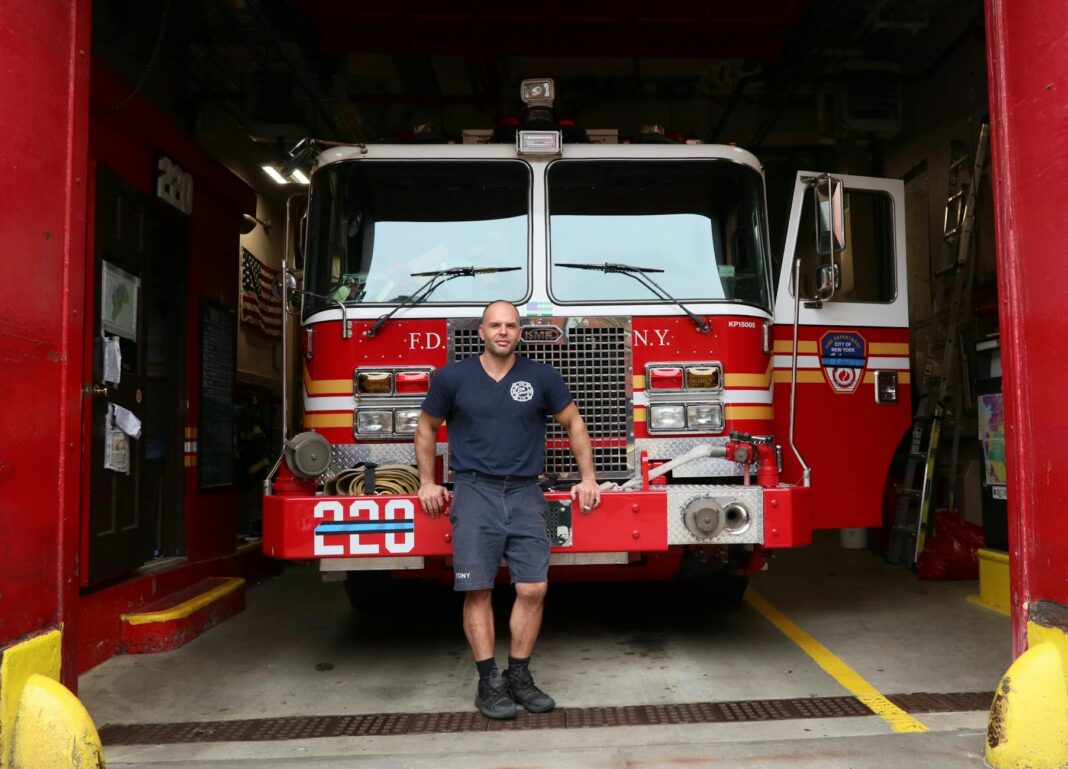
Bronx Gas Explosion Overview
A recent gas explosion in the Bronx has sent shockwaves through the community, leading to a partial collapse of a high-rise building. This devastating incident not only resulted in structural damage but also raised serious concerns about safety regulations in New York City. The explosion serves as a grim reminder of the potential dangers posed by outdated infrastructure and the urgent need for comprehensive safety measures. As first responders rushed to the scene, the city was left to confront the harsh reality of what can happen when safety is compromised.
Reactions from Mayoral Candidates
In the immediate aftermath of the explosion, New York City’s mayoral candidates seized the opportunity to address the pressing issue of public safety. Candidate Mamdani wasted no time in voicing his concerns, asserting that the city must take immediate action to ensure the safety of its residents. He called for a thorough review of safety protocols and inspections across all high-rise buildings, particularly those that are older and may not meet current standards.
Mamdani’s commitment to infrastructure safety resonates with many in the community who are now questioning whether their homes are secure. He insists that this explosion is not just a tragic incident but a wake-up call for city officials. In his view, residents deserve to live in environments where their safety is guaranteed, and the city must step up to protect them.
Meanwhile, former Governor Cuomo, a notable figure in the city’s political landscape, also reacted to the explosion with urgency. He expressed heartfelt condolences to the victims and their families but quickly shifted focus to criticize the current administration’s handling of safety regulations. Cuomo has a long history of involvement in urban policy and infrastructure, and he used this incident to underscore what he sees as a failure to prioritize public safety in New York City.
Cuomo’s response highlighted a call for more stringent oversight on gas lines and construction practices. He argues that the city has been neglectful in its duty to ensure that buildings are safe and that this neglect could have dire consequences, as demonstrated by the recent explosion. His comments have sparked a lot of discussions about accountability and governance, particularly in a city where infrastructure is aging and under constant strain.
Community Impact and Concerns
The explosion has left many residents feeling vulnerable and anxious. In the days following the incident, community leaders and local organizations have mobilized to support those displaced by the explosion. Resources are being allocated to help families find temporary housing and access medical care, as the impact of the event continues to ripple through the community.
As the investigation unfolds, residents are understandably worried about the integrity of nearby buildings. The fear of living in a potentially unsafe environment is real, and many are calling for transparency from city officials regarding the status of safety inspections. This incident has sparked a broader conversation about the need for more rigorous safety measures in urban settings, especially in densely populated areas where the risk of disaster is inherently higher.
This gas explosion has become a pivotal moment for New York City, forcing residents and leaders alike to confront the serious implications of neglecting infrastructure safety. With the upcoming mayoral election on the horizon, candidates are using this tragedy to frame their platforms around public safety and accountability. The issue is no longer just a political talking point; it is a matter of life and death for many residents who want to feel secure in their homes.
Questions
What specific measures should be taken to improve building safety in NYC?
How can candidates effectively address the concerns of residents after such incidents?
What role should community organizations play in supporting those affected by the explosion?