Chaos in Broadview: Border Patrol Agents Under Siege
A tense and chaotic scene unfolded in Broadview, a suburb of Chicago, over the weekend as around 30 Border Patrol agents found themselves trapped by an aggressive crowd during a protest against ICE (Immigration and Customs Enforcement). The situation escalated dramatically after a car-ramming incident targeted federal agents, forcing them to seek refuge amidst rising tensions and a hostile environment.
The Incident: A Breakdown of Order
Witnesses described the atmosphere as charged, with emotions running high as protesters voiced their opposition to federal immigration policies. The car-ramming incident served as a catalyst for the confrontation, transforming a protest into a volatile situation. As agents attempted to manage the unfolding chaos, they faced an overwhelming number of demonstrators who were not only angry but also organized in their efforts to confront federal enforcement actions.
Police Orders Raise Eyebrows
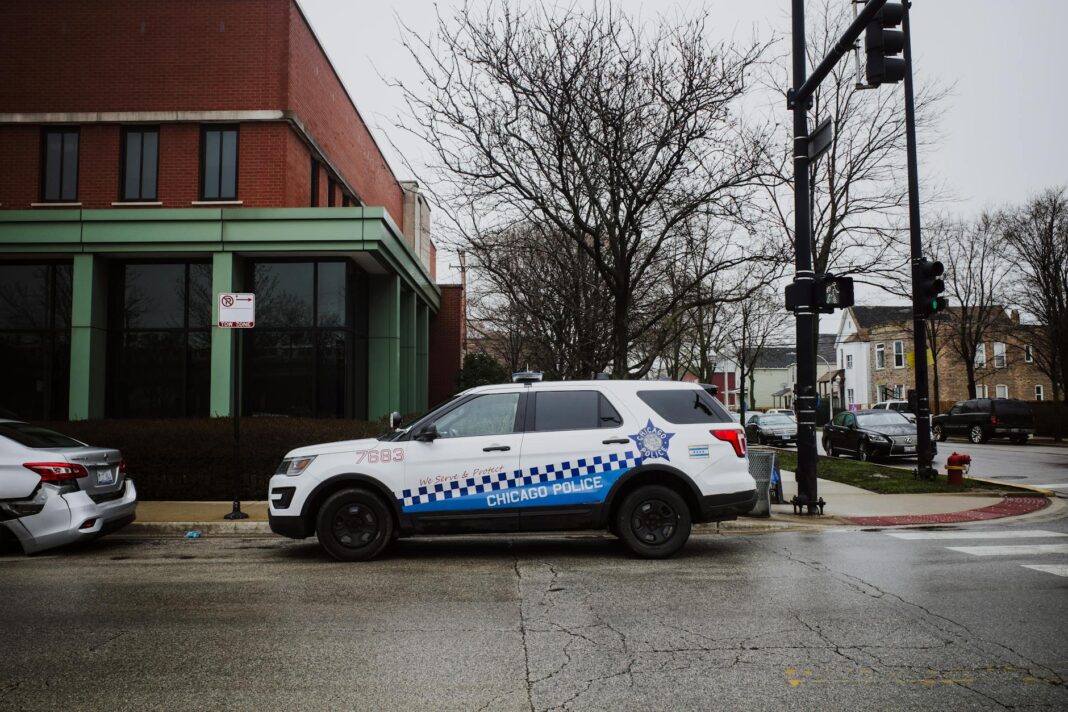
Even more surprising than the attack itself was the response—or lack thereof—from local law enforcement. Chicago police were reportedly instructed to refrain from providing assistance to the Border Patrol agents during this critical moment. This decision has ignited a firestorm of debate regarding the role of local police in federal matters, particularly in situations that involve deeply polarizing issues such as immigration enforcement.
The Implications of Non-Intervention
The decision to stand down raises significant questions about the implications for law enforcement in similar situations going forward. Critics of the police’s non-intervention stance argue that it undermines the authority of federal agents and emboldens protesters, who may feel they can act without fear of repercussions. The optics of local law enforcement abandoning federal agents during a crisis not only complicates the narrative surrounding immigration enforcement but also places local officers in a precarious position.
Supporters of the non-intervention approach contend that police should not act as enforcers of federal immigration laws, particularly in communities that largely oppose such policies. This sentiment reflects a growing movement across the United States, where many localities are declaring themselves “sanctuary cities,” aiming to protect undocumented immigrants from federal scrutiny. This incident in Broadview could serve as a pivotal moment, signaling a potential shift in how local police departments interact with federal immigration officials.
The Broader Context: Protests and Public Sentiment
The protest in Broadview is not an isolated incident; it is part of a larger trend observed throughout the country. Anti-ICE protests have surged in recent years, driven by visceral reactions to federal immigration policies that many view as inhumane or unjust. As protests gain momentum, the divide between local sentiments and federal enforcement becomes more pronounced, leading to scenarios where law enforcement finds itself caught in the middle.
Understanding the dynamics at play is crucial. Protesters often see themselves as defenders of human rights, while federal agents view their work as enforcing the law. This dichotomy can lead to confrontations that spiral out of control, especially when local police are perceived as taking sides. In Chicago, where the local department’s orders instructed officers to stay away from helping federal agents, the implications of such a stance are profound, raising questions about the future of community policing and public safety.
What’s Next for Chicago’s Law Enforcement?
As the dust settles from the Broadview incident, law enforcement agencies across the nation will likely scrutinize their policies regarding engagement with federal authorities. Will other cities follow Chicago’s lead, choosing non-intervention over collaboration? This incident may serve as a blueprint for future encounters, challenging the traditional roles of local and federal enforcement.
Moreover, it poses questions about community trust in law enforcement. If local police are seen as unwilling to protect federal agents, what message does that send to the community regarding the enforcement of laws and the safety of all involved? The coming weeks and months will be critical in shaping how these complex dynamics play out, as both community leaders and law enforcement seek to navigate the treacherous waters of immigration enforcement and local sentiment.
Questions
What are the long-term effects of police non-intervention in federal matters?
How will local communities respond to federal enforcement actions in the future?