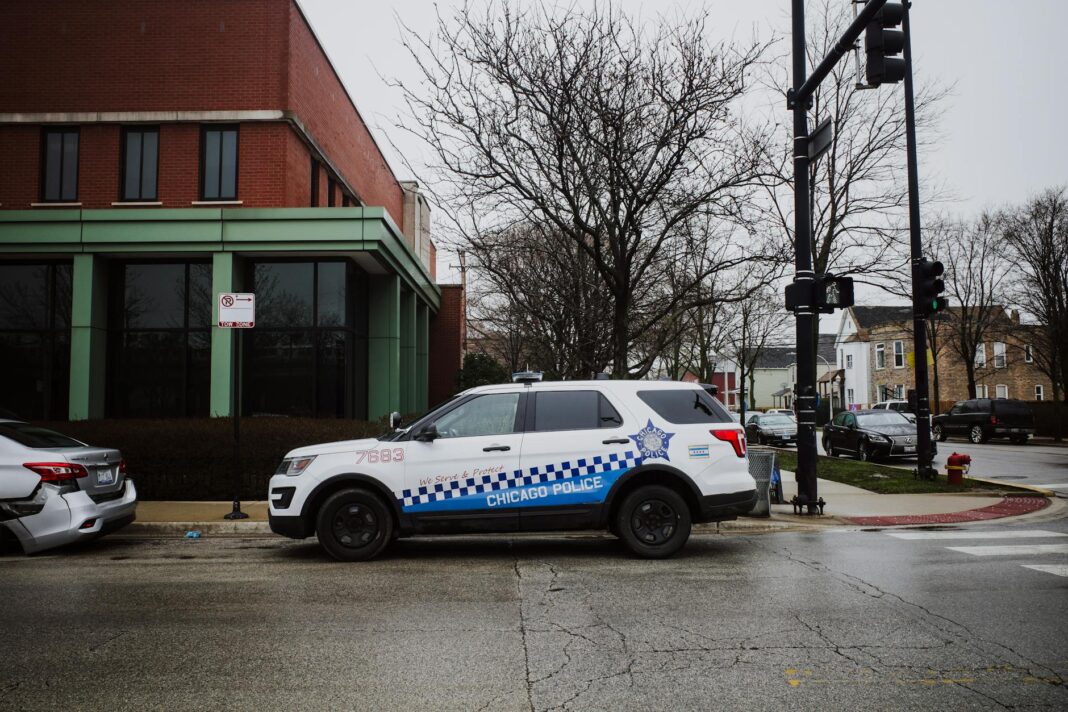
Conflicting Orders: Chicago Police vs. Border Patrol
In a controversial directive, Chicago police have been instructed to disregard requests for assistance from Border Patrol agents. This unusual order raises serious questions about the collaboration between local law enforcement and federal immigration authorities. The decision reflects a growing tension in the city regarding immigration enforcement and public safety. With crime rates fluctuating and community safety concerns at the forefront, this instruction adds another layer of complexity to the already strained relationship between various law enforcement agencies.
A Breakdown of the Directive
The directive comes amid heightened sensitivity around immigration issues and police-community relations. Chicago has long positioned itself as a sanctuary city, prioritizing the protection of undocumented immigrants. This stance has created a rift, not just between local police and federal agencies, but also within the community itself. By telling police officers to ignore the Border Patrol’s calls for help, city officials are sending a clear message: local law enforcement will not serve as an extension of federal immigration policy.
Implications for Law Enforcement
This situation poses significant implications for law enforcement in Chicago. Officers on the ground are often caught in a difficult position, weighing the need for community safety against the broader policies handed down from above. By sidelining Border Patrol, the Chicago Police Department may be creating a perception that they are not fully equipped to deal with all aspects of crime, particularly those that intertwine with immigration issues. This could lead to a lack of trust in police effectiveness, especially among communities that feel they are being neglected or targeted based on their immigration status.
Community Reactions
The community’s response to this directive has been mixed. Some residents applaud the city’s commitment to protecting vulnerable populations, while others express concern over public safety. The fear is that by isolating law enforcement from federal agencies, the city might be ignoring serious threats that could arise from criminal activity linked to undocumented individuals. This debate isn’t just about law enforcement; it’s about the values a city chooses to uphold and the safety of its residents.
Moving Forward
As Chicago navigates this complex landscape, the ongoing conflict between local and federal authorities will likely continue to evolve. The city must find a balance that allows for effective policing without alienating segments of the population. The decisions made in the coming months will shape the relationship between law enforcement and the community, and ultimately, the safety and trust that citizens place in those sworn to protect them.
Questions
What impact do you think this directive will have on community safety?
How should local law enforcement navigate federal immigration policies?
What are the long-term implications for police-community relations in Chicago?