China’s Call for a Level Playing Field
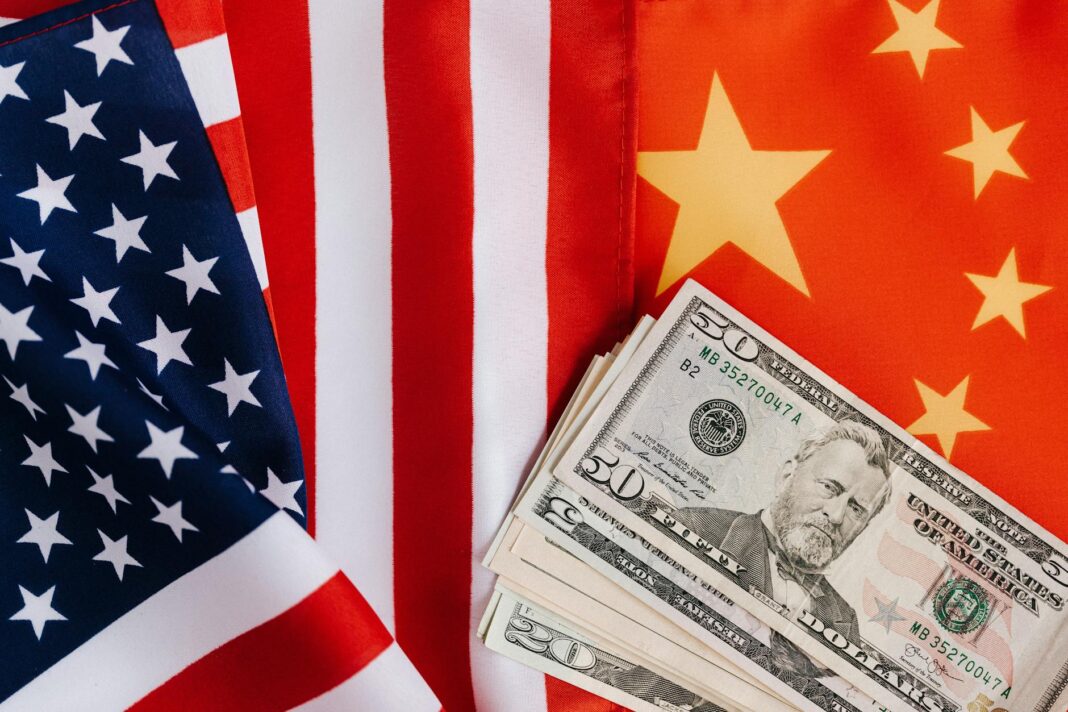
China’s commerce ministry recently issued a statement urging the United States to cultivate a business climate that is open, fair, and non-discriminatory for Chinese enterprises. This plea comes amid heightened tensions and ongoing scrutiny of Chinese companies operating in the U.S., particularly the popular social media platform TikTok. The call for fairness highlights the growing concerns over potential biases in regulatory practices and the impact these have on foreign businesses.
The Stakes for Chinese Businesses
For Chinese firms, operating in the U.S. market is not just about profit; it’s also a matter of survival. Companies like TikTok have faced intense scrutiny from U.S. lawmakers, who have voiced concerns regarding data privacy and national security. As these tensions escalate, the need for a stable and equitable business environment becomes increasingly critical. The Chinese government’s insistence on fair treatment reflects a broader ambition to ensure that their companies can thrive without being unfairly targeted based on their country of origin. This isn’t merely a political maneuver; it’s a business imperative that could influence the next generation of technological innovation.
What This Means for TikTok
TikTok, with its massive user base in the United States, stands at the forefront of this discussion. The platform has enjoyed significant popularity, especially among younger demographics, but it has also become a lightning rod for debate over foreign influence and data security. The Chinese government’s insistence on a fair business environment suggests that they are prepared to stand behind TikTok and other firms, possibly indicating a willingness to engage in diplomatic discussions to protect their interests. The stakes are high; any adverse action against TikTok could lead to retaliatory measures that impact American companies in China, creating a cycle of tension that could harm both economies.
The Broader Implications
China’s appeal is not just about TikTok. It’s a broader message aimed at ensuring that all Chinese companies are afforded the same rights and opportunities as their American counterparts. The increasing pressure on Chinese businesses raises questions about the future of international trade and investment. If the U.S. continues to impose restrictions, it could set a precedent that affects not only Chinese companies but also American firms looking to expand globally. The situation has already led some businesses to reconsider their strategies, weighing the benefits of accessing the U.S. market against the risks of potential backlash.
Market Dynamics and Future Relations
As the global economy becomes more interconnected, the call for fairness in business practices will likely resonate louder. Both nations must navigate this complex terrain carefully, balancing national interests with the benefits of collaboration. The outcome of this ongoing dialogue could shape the future landscape of international business, impacting various industries and markets around the world. Innovation thrives in environments that encourage competition and collaboration, and a spirit of fairness could foster an atmosphere where both American and Chinese firms can excel.
Looking Ahead: The Path Forward
Moving forward, it’s essential for both countries to engage in constructive dialogue. Trade agreements that prioritize fairness could lead to better relations and a more stable market. Additionally, mutual recognition of standards for data privacy and security could alleviate some concerns that have been raised about companies like TikTok. Establishing clear guidelines could help mitigate fears while allowing businesses to operate with a sense of security and predictability.
Questions
What steps could the U.S. take to foster a more equitable business environment?
How might China’s demands affect future negotiations between the two countries?
What implications could this have for other foreign companies in the U.S. market?