Visa Revocation: A Consequence of Reckless Words
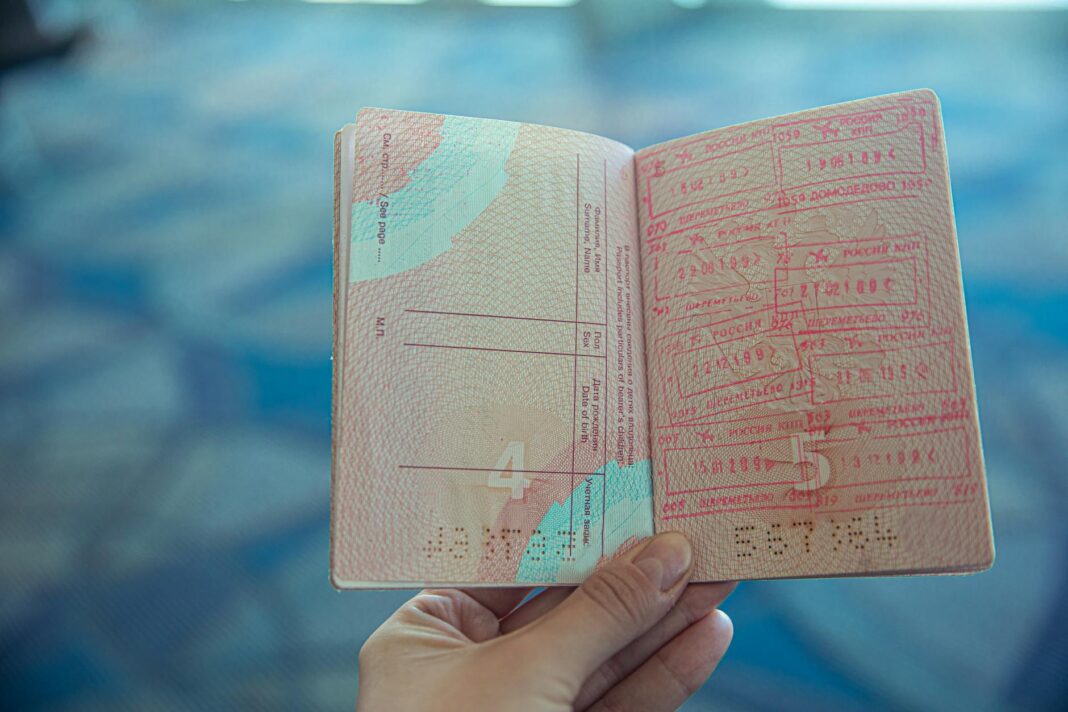
In a surprising move, the United States government has revoked the visa of Colombian President Gustavo Petro following his controversial remarks at a pro-Palestine protest in New York City. Petro’s statements, urging U.S. soldiers to disobey orders from former President Donald Trump and not to “point their rifles at humanity,” have sparked outrage and concern among officials in Washington. This incident raises serious questions about the boundaries of diplomatic speech and the repercussions that come with crossing them.
A Call to Soldiers: The Speech That Crossed the Line
During the protest, Petro positioned himself as a champion of peace, urging military personnel to reject orders that he deemed immoral. While passionate speeches are not uncommon in the realm of political activism, Petro’s direct challenge to U.S. military authority has been labeled as reckless by critics. His comments were not only inflammatory but also struck at the heart of U.S.-Colombia relations, which have been historically complex but generally cooperative.
The Diplomatic Fallout
The immediate fallout from Petro’s remarks is significant. Revoking a sitting president’s visa is not a common occurrence and indicates a serious diplomatic rift. The U.S. has traditionally maintained a careful approach when dealing with foreign leaders, often opting for diplomatic channels rather than punitive measures. However, Petro’s incendiary comments left little room for interpretation, prompting swift action from the State Department. The decision sends a clear message about the U.S. stance on comments that could incite unrest or challenge military authority.
Reactions and Implications
Reactions to the revocation have been mixed. Supporters of Petro argue that his remarks were taken out of context and reflect a broader frustration with U.S. foreign policy. Detractors, however, see this as a necessary step to maintain order and respect for military command structures. The long-term implications of this visa revocation could affect Colombia’s diplomatic standing and its relationship with the U.S., especially as both nations navigate complex issues such as drug trafficking and economic cooperation.
Looking Ahead
As the dust settles from this incident, it remains to be seen how Petro will respond and what this means for his presidency. Will he double down on his stance, or will he seek to mend fences with the U.S.? The diplomatic landscape is unpredictable, and this situation serves as a reminder of the delicate balance leaders must maintain when speaking on international platforms.
Questions
What are the potential long-term impacts of Petro’s visa revocation on U.S.-Colombia relations?
How should leaders navigate the fine line between free speech and diplomatic responsibility?
What might this incident signal to other world leaders about U.S. responses to controversial statements?