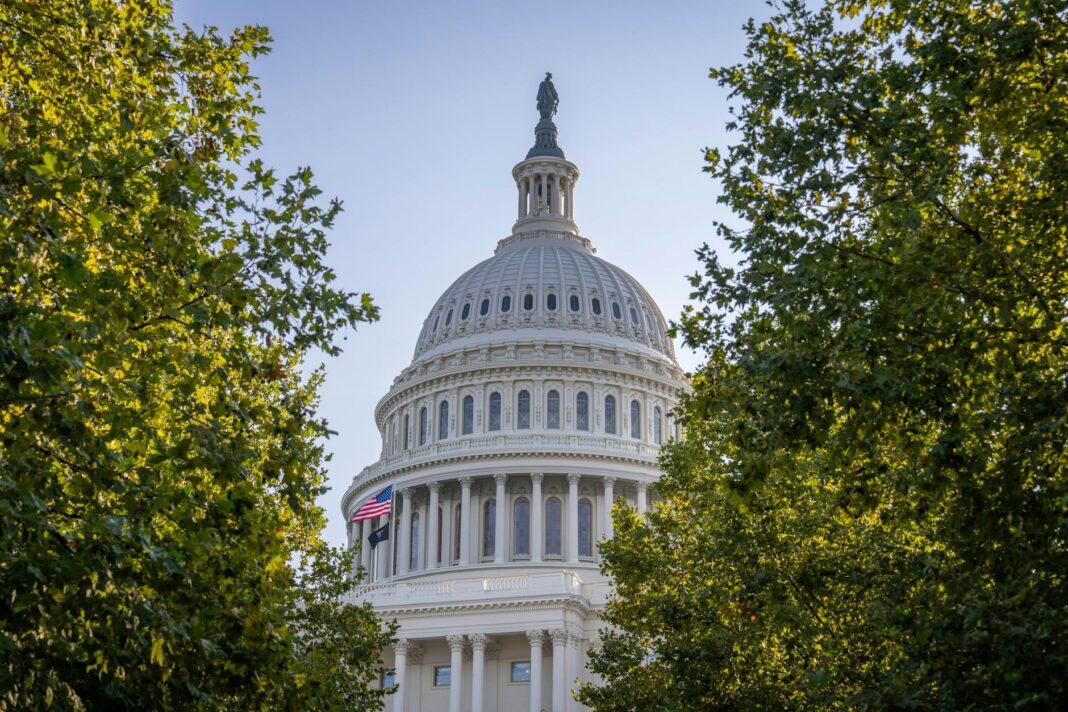
Congress Faces Stalemate Over Government Shutdown
The U.S. Congress is in a serious bind as lawmakers grapple with the impending threat of a government shutdown. With the fiscal deadline fast approaching, both parties are entrenched in their positions, unwilling to make the compromises necessary to keep the government funded. This isn’t just political theater; it has tangible consequences for millions of Americans who depend on federal services for their daily lives. As funding runs out, the pressure is mounting, and the potential fallout from a shutdown is becoming more evident.
The High Stakes of a Shutdown
A government shutdown could lead to widespread furloughs for federal employees, closures of national parks, and interruptions in vital services. The implications extend far beyond the Capitol; they affect families relying on Social Security, veterans awaiting benefits, and children depending on school meal programs. The stakes are incredibly high, and the public’s patience is wearing thin. The ongoing negotiations resemble a high-stakes poker game, with each side trying to outmaneuver the other while the clock ticks down to zero.
Political Games and Real Ramifications
The political calculations behind this stalemate are complex. Each party is weighing its options, considering the potential electoral repercussions of a shutdown. Politicians know that voters are fed up with the inaction and the constant back-and-forth that leads nowhere. For many, this deadlock is emblematic of a Congress more interested in scoring points against each other than in serving the public. The reality is that when Congress fails to reach an agreement, it’s not merely an inconvenience; it’s a failure to deliver on promises made to the electorate.
The Human Cost
With the government on the brink of shutting down, the human cost cannot be overlooked. Federal employees face uncertainty about their paychecks, and many families could find themselves in precarious financial situations. Small businesses that rely on government contracts may face disruptions, leading to layoffs and reduced services. The impact of a shutdown reverberates throughout the economy. Citizens are already grappling with inflation and rising costs; adding a government shutdown into the mix could push many to the brink.
Public Sentiment and the Demand for Accountability
The frustration of the American public is palpable. Citizens are tired of the political theater and are demanding accountability from their elected officials. Voters want to see real solutions, not just political posturing. The notion that Congress can continue to operate in a state of gridlock while everyday Americans suffer the consequences is untenable. As the deadline approaches, the public is increasingly vocal about their desire for transparency and action. This is not just about party lines; it’s about the fundamental responsibility of Congress to govern effectively.
The Path Forward
As Congress continues to wrestle with this issue, the question remains: will they find common ground before it’s too late? The clock is ticking, and the consequences of inaction are looming large. The American public deserves better than political games and empty promises. The time for action is now, and it requires a willingness to listen, negotiate, and ultimately compromise. If Congress can’t rise to the occasion, they risk not just a government shutdown, but also a deeper crisis of faith among the voters who put them in office.
Final Reflections
In the end, the true test of leadership is how effectively one can navigate through adversity. As the deadline inches closer, Congress must prioritize the needs of the people over political gain. The stakes are high, and the repercussions of a shutdown will be felt far and wide. It’s time for Washington to get its act together and show the public that they can govern effectively, even in challenging times. The clock is ticking—will they act before it’s too late?
Questions
What do you think is the biggest hurdle in reaching a compromise?
How do you believe a government shutdown will impact everyday Americans?
What accountability measures should Congress face if they fail to act?