

Historic Shopping District Faces Legal and Crime Prevention Challenges Amid Proposed Developments
The Country Club Plaza, a historic and upscale shopping district in Kansas City, Missouri, is on the cusp of significant transformation with new development plans aiming to redefine its urban landscape. While primarily focused on modernizing infrastructure and enhancing retail and residential offerings, these plans also bring to light critical considerations concerning crime, legal implications, and the necessity of thorough investigations to ensure community safety and regulatory compliance.
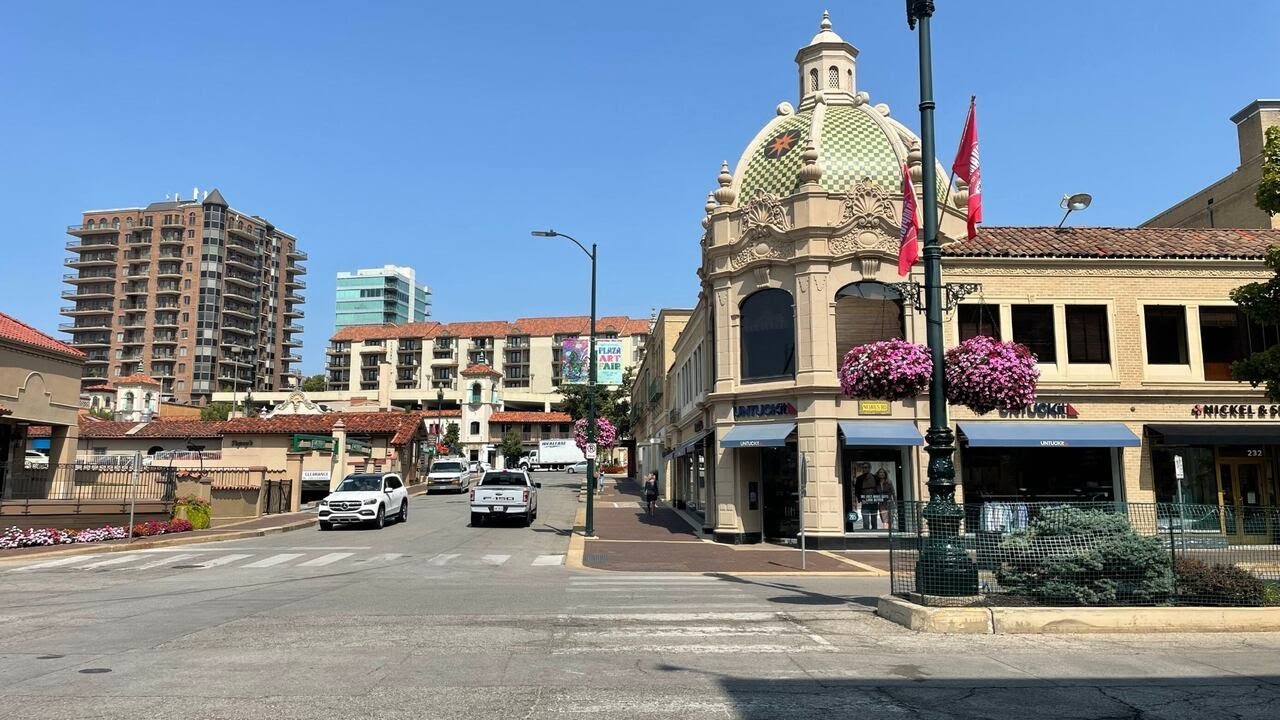
Long regarded as a symbol of luxury and affluence, the Country Club Plaza has consistently drawn tourists and locals alike with its Spanish-inspired architecture and high-end retail outlets. However, as with many urban centers, the Plaza has not been immune to challenges related to crime and public safety. Despite its general reputation for safety, occasional incidents of theft, vandalism, and other petty crimes have been reported. The new development plans present a timely opportunity to address these issues proactively.
From a legal standpoint, the proposed developments must navigate a complex web of zoning laws, building codes, and environmental regulations. Developers are tasked with ensuring their plans align with the city’s legal framework, which involves obtaining necessary permits and conducting comprehensive environmental impact assessments. Moreover, any changes to the Plaza’s infrastructure must adhere to accessibility and public safety standards, ensuring compliance with all relevant legal requirements.
The role of law enforcement and community policing strategies will be paramount during this transition. An increase in construction activity could inadvertently open doors to crime, such as theft of construction materials or acts of vandalism. Consequently, developers and city planners need to work closely with local police to implement effective security measures. These may include heightened patrols, the installation of surveillance cameras, and community engagement initiatives designed to cultivate a shared sense of responsibility for the area’s safety.
Thorough investigations into the potential impacts of these developments are essential. Urban planners and policymakers must conduct detailed assessments to understand how alterations to the Plaza’s streetscape might influence traffic patterns, pedestrian safety, and emergency response times. Engaging the community through public forums and consultations can also help identify potential concerns and garner support for the project’s objectives.
In conclusion, while the proposed changes to the Country Club Plaza offer promising prospects for economic revitalization and urban renewal, they must be approached with careful consideration of crime prevention, legal compliance, and thorough investigation. By addressing these crucial aspects, Kansas City can ensure that the Plaza remains a vibrant and safe destination for years to come.