
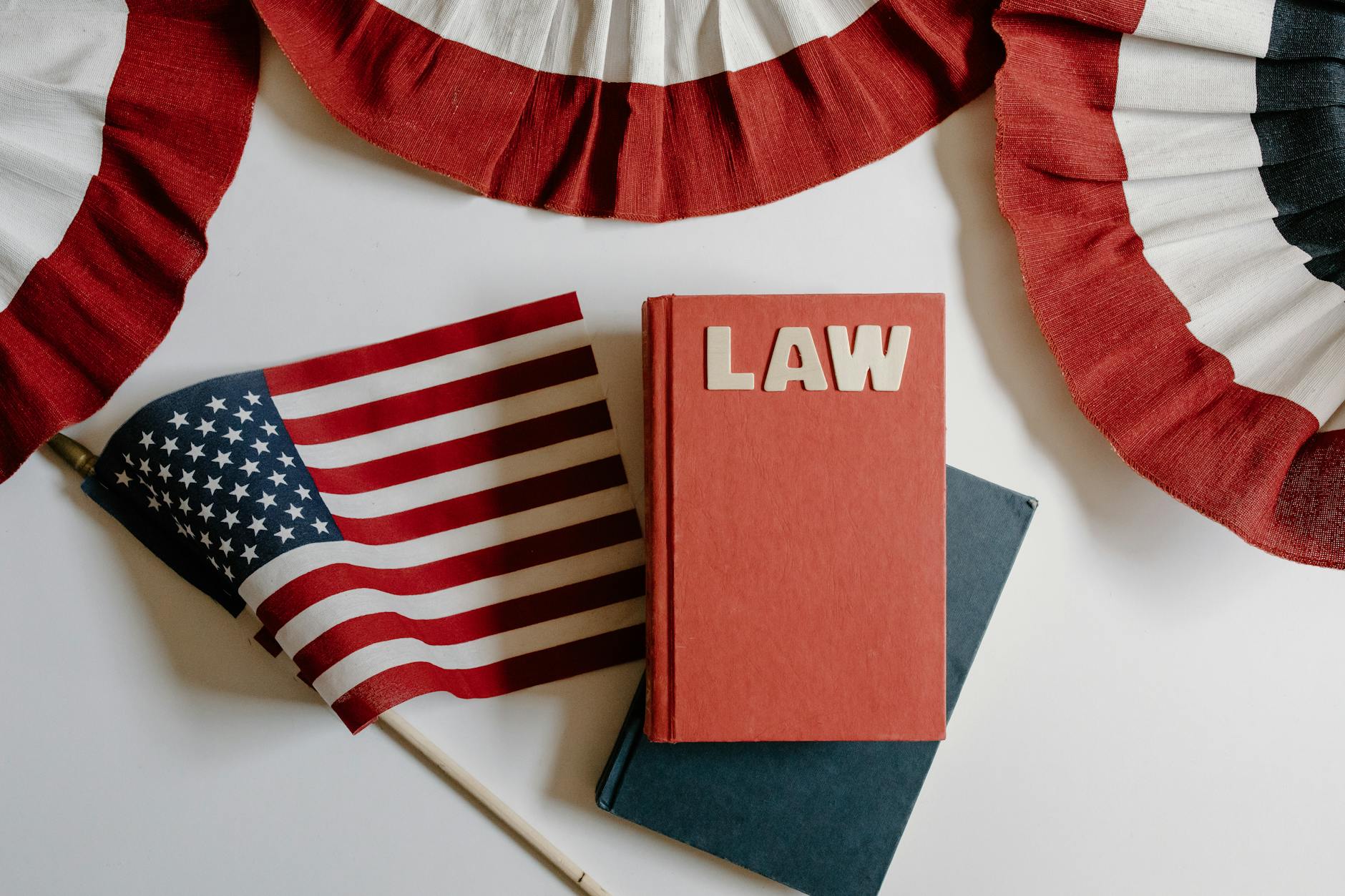

Key Court Hearing on National Guard Troops in Chicago
The spotlight is set to shine brightly on President Donald Trump’s controversial decision to deploy National Guard troops to the Chicago area. This move comes at a time of heightened tensions and scrutiny, as the federal government grapples with ongoing challenges in urban policing and public safety. A pivotal court hearing is on the horizon, and it promises to be a critical juncture in determining the legality and appropriateness of such military presence in a major American city. With both public sentiment and political pressure in play, this hearing could reshape the narrative surrounding federal intervention in local matters.
Texas Guardsmen Arrive to Secure Federal Property
Just hours before the court convenes, a small contingent of Texas National Guard members has begun their mission to protect federal properties in Chicago. This maneuver appears to be part of a broader strategy by the Trump administration to project strength amid rising unrest in urban areas across the country. The deployment of these guardsmen is a response to perceived threats against federal buildings and personnel, as well as the need to maintain order during a turbulent period. However, the timing and execution of this decision have ignited a fierce debate among lawmakers, civil rights advocates, and the public alike, with many questioning the necessity and implications of militarizing the streets of Chicago.
Legal Challenges Looming Ahead
The upcoming court hearing will delve into the legality of deploying National Guard troops without explicit state approval. Critics argue that such actions could infringe upon state sovereignty and exacerbate tensions in communities that have already been strained by economic challenges and social unrest. The legal arguments will likely focus on the Posse Comitatus Act, which limits the use of federal military personnel for domestic law enforcement. Proponents of the deployment contend that it is essential for maintaining order and safeguarding federal property amidst rising crime and violence. The court’s ruling on this issue will not only impact Chicago but could set a precedent for similar actions nationwide.
The Broader Implications of Militarization
This case is not simply about the presence of troops; it touches on fundamental questions regarding the balance of power between state and federal authorities. As the court weighs the arguments, it will also consider the broader implications of militarizing law enforcement and the potential impact on community-police relations. The city of Chicago, with its complex history of policing and community engagement, stands at a crossroads. Critics of the deployment argue that militarization can lead to increased tensions and violence, particularly in communities that feel marginalized by both local law enforcement and federal interventions.
Furthermore, the deployment raises concerns about accountability and oversight. With National Guard troops operating in an urban environment, the question arises: who is responsible for their actions? Local officials have expressed apprehension about the potential for abuse of power, especially in a city that has endured its share of high-profile incidents of police misconduct. As public trust in law enforcement continues to erode, the presence of military personnel on the streets could further alienate communities already grappling with systemic issues.
The Path Forward
As the court prepares to address these critical issues, the outcome will have lasting repercussions for how local authorities manage public safety and how the federal government engages in urban areas. If the court rules in favor of the deployment, it could embolden future administrations to take similar actions, potentially leading to a more frequent use of military resources in civilian contexts. Conversely, a ruling against the deployment might signal a pushback against federal overreach and a reaffirmation of state rights.
Questions
What are the potential consequences of deploying National Guard troops in urban areas?
How does this situation reflect the ongoing tensions between state and federal powers?
What can we expect from the court’s decision regarding this deployment?