
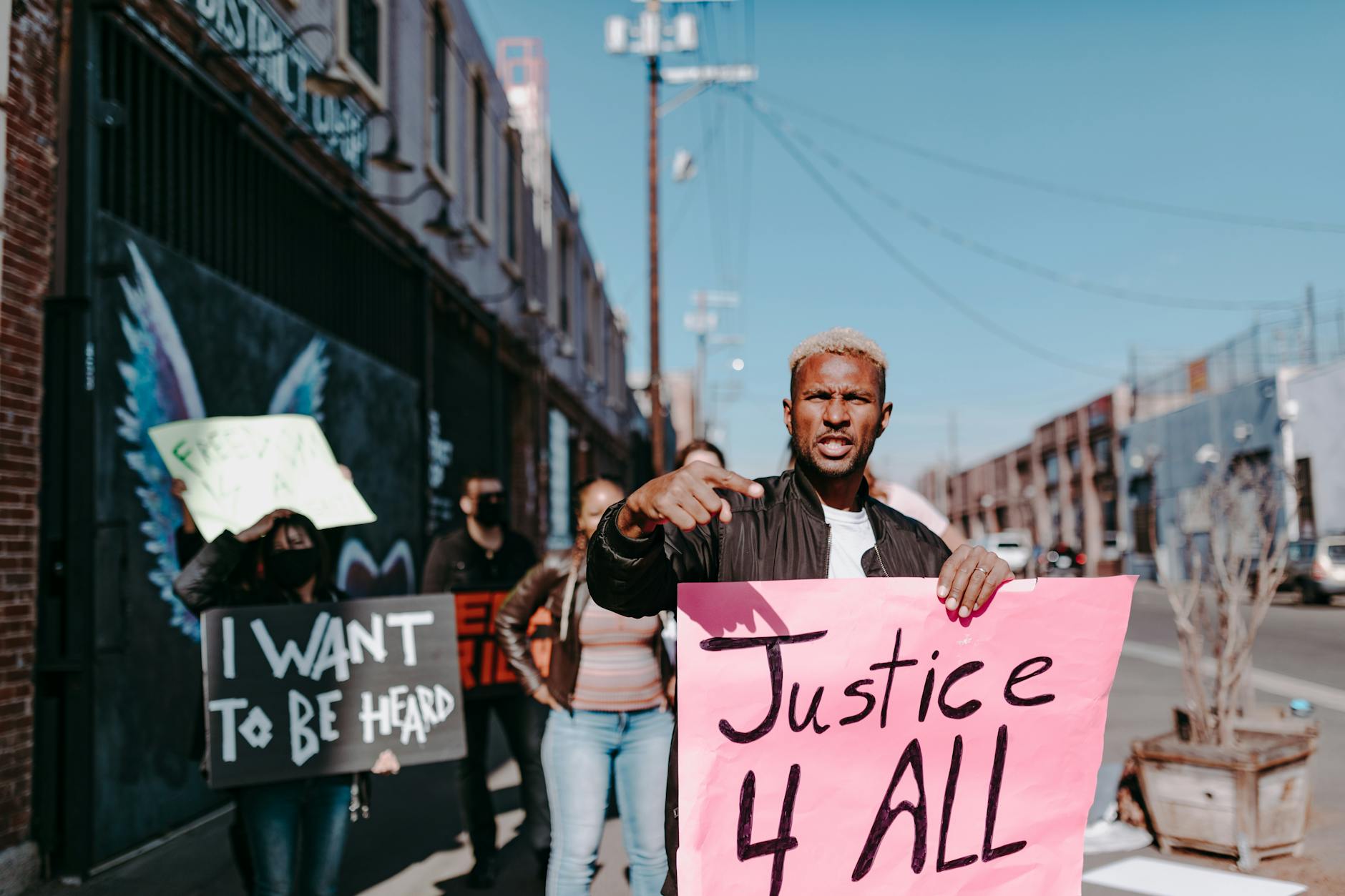

Protest Against ICE Conditions in Manhattan
A dramatic scene unfolded in Manhattan as approximately a dozen New York state and local elected officials were arrested during a protest against the U.S. Immigration and Customs Enforcement (ICE) facility operating in the area. The protest was sparked by a federal judge’s recent ruling highlighting the inhumane conditions within the holding cells used by ICE agents. Such conditions have been criticized by various advocacy groups and have now drawn the ire of politically active leaders seeking to bring attention to the issue. The gathering was not merely a reaction to the ruling but a culmination of ongoing frustrations regarding immigration enforcement practices in the United States.
What Prompted the Arrests?
The protest gathered momentum as demonstrators sought to voice their outrage over the treatment of individuals detained by ICE. Activists and elected officials alike rallied together to shed light on the reported abuses within the facility. The decision to arrest these officials was not taken lightly; it underscores the high tensions surrounding immigration enforcement policies in the United States. The protest was both a demonstration of solidarity with those affected and a direct challenge to the federal government’s handling of immigration issues. The officials who participated in this event did so with the intent to bring visibility to what they perceive as systemic injustices, knowing full well that their actions could lead to their arrest.
The Broader Context of Immigration Enforcement
The protests in Manhattan are part of a larger national conversation about immigration and the treatment of detainees. Many individuals and groups are urging for reforms that prioritize human rights and humane treatment for those caught up in the system. The criticism of ICE has intensified over the years, with many claiming that the agency’s practices are often harsh and punitive. Reports of overcrowded facilities, inadequate medical care, and lack of basic necessities have fueled public outrage. This protest serves as a microcosm of the frustrations felt by many regarding the current state of immigration enforcement and its implications for communities across the nation. The issue of immigration is not merely a political talking point; it affects real lives and families. The demonstrators aimed to remind the public and lawmakers alike that human dignity should never be compromised, even amid national security concerns.
The Aftermath and Ongoing Advocacy
The arrest of these officials highlights the lengths to which some are willing to go to advocate for change. As discussions continue about the future of immigration policy, the voices of local leaders and activists remain crucial. They are not just fighting for policy reform but are also pushing for a broader cultural shift toward compassion in how society treats its most vulnerable members. The outcome of these protests may influence future policies and the overall narrative surrounding immigration in the United States. Advocates are calling for increased transparency within ICE operations and are demanding that conditions inside detention facilities be improved significantly. They also emphasize the need for community-based alternatives to detention that respect the dignity of individuals while addressing the complexities of immigration law.
The Role of Public Opinion
Public opinion plays an essential role in shaping policies related to immigration. Protests like the one in Manhattan serve to galvanize communities and raise awareness about the issues at hand. Social media platforms have amplified these voices, allowing for broader discussions that transcend local boundaries. The challenge for activists is to convert this outrage into sustained action that leads to tangible policy changes. They are keenly aware that while protests can raise awareness, they must also engage in grassroots organizing, lobbying, and coalition-building to create a lasting impact.
Questions
What specific changes are being demanded by the protestors regarding ICE operations?
How do the arrests of elected officials impact the public’s perception of ICE?
What role do local governments play in shaping immigration policies?