
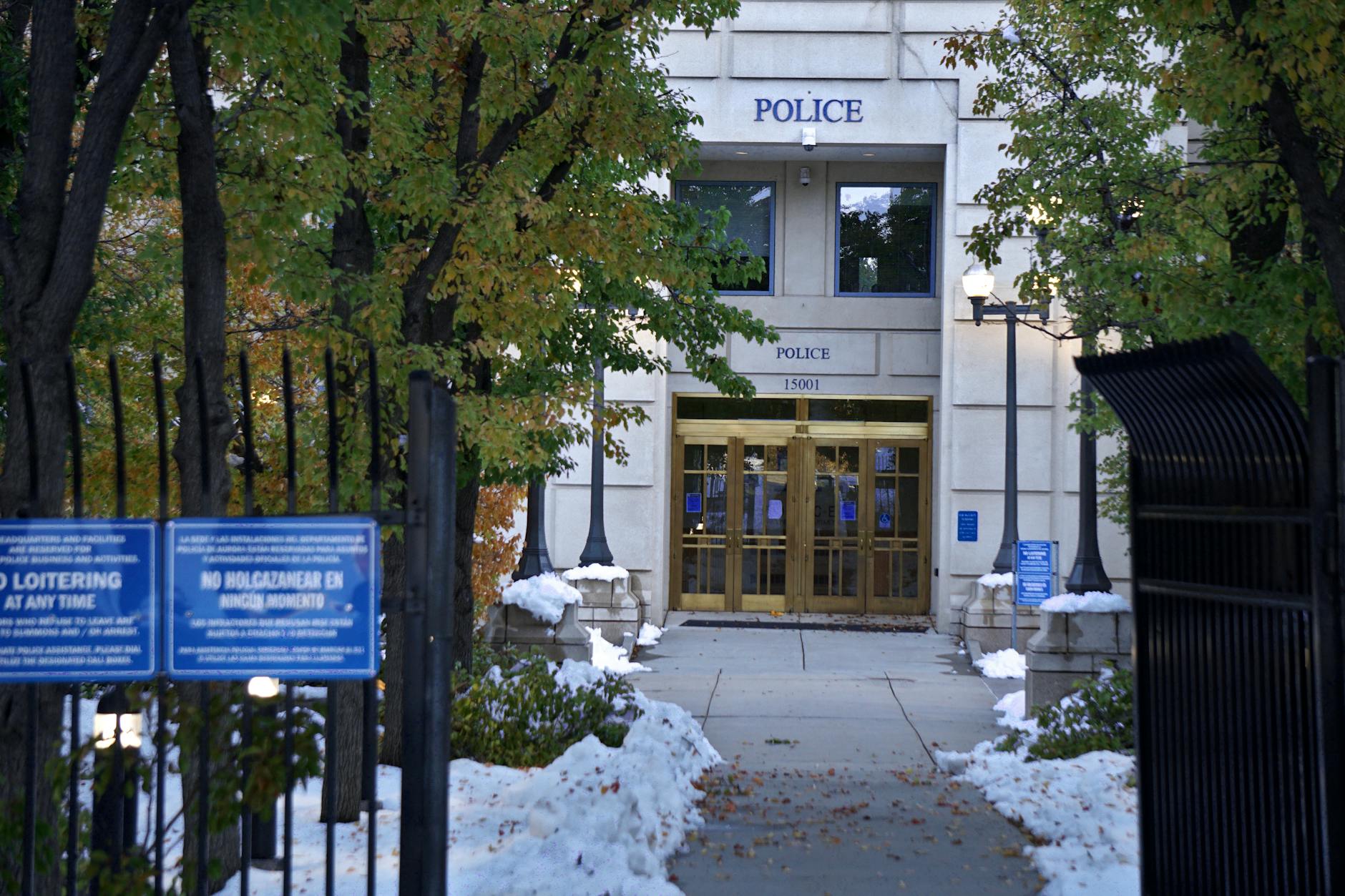

Superintendent Arrested by ICE in Des Moines
In a shocking turn of events, the superintendent of Des Moines Public Schools in Iowa was apprehended by U.S. Immigration and Customs Enforcement (ICE) on Friday morning. This incident, confirmed by a statement from the school district, has sent ripples through the local education community and raised serious questions about the impact on students and staff. The superintendent’s surprise arrest underscores ongoing tensions surrounding immigration enforcement, particularly in environments that are expected to be safe spaces for families and children.
Implications for the School District
The arrest of such a high-profile figure in the educational system raises immediate concerns about leadership continuity. In a district that serves thousands of students, the sudden absence of the superintendent can create a vacuum in decision-making. Parents, students, and faculty are left to wonder about the future of the public school system in Des Moines. Who will step in to fill the gap? What will this mean for ongoing initiatives and programs? The school board will need to act swiftly to address these questions and reassure the community that education remains a priority amidst this turmoil.
Moreover, the superintendent’s arrest could have a chilling effect on the school community. Staff may feel uneasy about their own status or that of their students and families, potentially leading to a reluctance to engage in open dialogue about critical issues that affect them. The district must navigate these waters with sensitivity, ensuring that all stakeholders feel supported and secure as they work through the ramifications of this incident.
Community Reaction
The news has sparked a flurry of reactions on social media and local news outlets. Many community members express disbelief and concern, while others may view the situation through a lens of advocacy for stricter immigration policies. The duality of perspectives highlights the complexities surrounding immigration issues in America today, particularly in a diverse community like Des Moines. Schools are often seen as sanctuaries, a place where students can learn and grow without fear of outside disruptions. The unexpected arrest of a leader can shatter that perception, leaving families feeling vulnerable and exposed.
Local advocacy groups have begun to mobilize in response to the arrest, calling for increased protections for students and families. They argue that schools should remain a safe haven for all, regardless of immigration status. This incident may galvanize efforts to push for policy changes that safeguard educational environments from immigration enforcement actions.
Next Steps for Des Moines Public Schools
As the school district navigates this turbulent time, it will be crucial for leaders to communicate transparently with the community. The district must outline its plan for continuity and support for students and staff. This situation may also serve as a catalyst for discussions about immigration policy and its impact on education. Will the district implement measures to safeguard against similar incidents in the future? How can they ensure that this kind of event does not hinder the educational experience for students?
In the wake of this incident, it may be beneficial for the district to hold community forums where parents, students, and educators can voice their concerns and seek guidance. Such open dialogues can foster a sense of community and provide an opportunity to discuss how to move forward together. It’s essential that the voices of those affected are heard and that their needs are prioritized as the district navigates this crisis.
Questions
What protocols are in place to respond to leadership changes in school districts?
How can schools create a more secure environment for families amid immigration tensions?
What support systems are available for students affected by this incident?