Federal Agents Under Siege in Broadview
In a startling turn of events, agents from Immigration and Customs Enforcement (ICE) found themselves in a precarious situation in the Chicago suburb of Broadview. While conducting what was presumed to be routine patrols, these federal agents were unexpectedly boxed in by a convoy of ten cars. This incident has stirred significant tension and concern within the community, highlighting the volatile atmosphere surrounding immigration enforcement in the area.
Details of the Incident
According to reports from the Department of Homeland Security (DHS), the ICE agents were executing their duties when they were suddenly surrounded by multiple vehicles. Eyewitness accounts describe a scene where the drivers of these cars, whose motivations remain unclear, allegedly attempted to impede the agents’ movements, effectively trapping them. This aggressive maneuver raises serious questions about public safety and the limits of law enforcement operations in urban environments.
Community Reactions
Local residents have expressed a mix of fear and frustration in response to the ICE presence. Some view the actions of federal agents as necessary to uphold the law and maintain order, especially in areas where illegal immigration has been a contentious issue. Conversely, others see ICE’s aggressive tactics as an unwarranted intrusion into their daily lives. This confrontation has sparked heated debates about the role of federal authorities in local communities, particularly in areas with diverse populations and varying opinions on immigration.
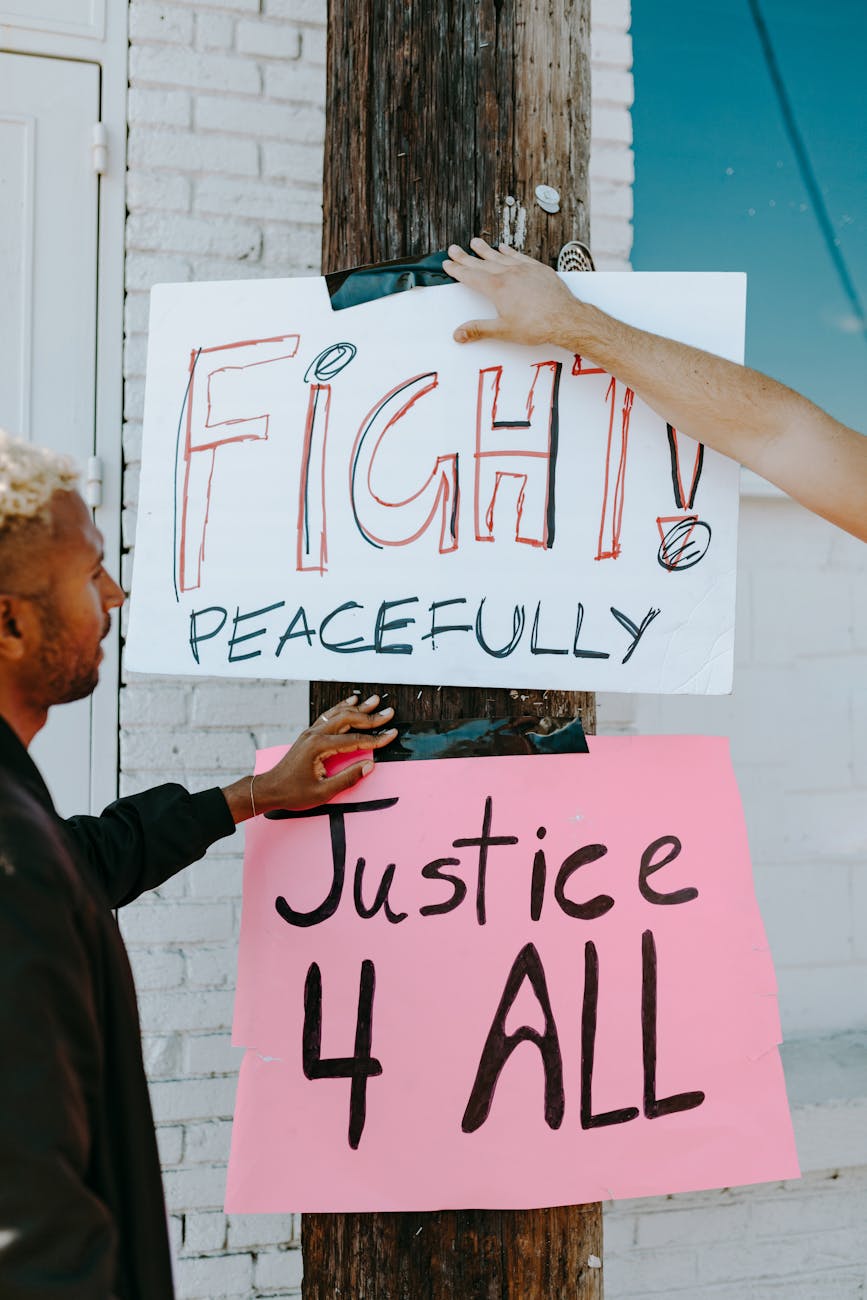
Protesters have taken to the streets, voicing their discontent and calling for an end to what they perceive as intimidation tactics. Signs reading “No ICE in Our Community” and “We Stand Together” have become common sights, illustrating the deep divide in public sentiment. The incident in Broadview serves as a flashpoint, not only for the community but also for the larger national conversation surrounding immigration enforcement. As tensions escalate, the risk of confrontations between ICE and community members increases, raising serious concerns about safety on both sides.
Implications for Law Enforcement
The incident in Broadview is not just a local issue; it reflects broader national discussions about immigration enforcement and community relations. As tensions rise, law enforcement agencies must navigate the fine line between enforcing the law and maintaining community trust. The safety of their personnel is paramount, and incidents like this one can complicate their missions. The hostile environment surrounding immigration enforcement can lead to increased resistance from community members, making it more difficult for law enforcement to carry out their duties effectively.
Moreover, this incident raises critical questions about operational protocols and the need for de-escalation strategies in potentially volatile situations. Should ICE agents be better trained to handle community pushback? How can law enforcement agencies ensure their operations do not provoke unnecessary hostility? These questions are increasingly relevant as communities across the country grapple with the implications of federal immigration policies.
Looking Ahead
As the dust settles from this confrontation, it remains to be seen how law enforcement will adjust its strategies in light of growing public sentiment against aggressive immigration enforcement. The situation in Broadview is a microcosm of the challenges faced nationwide, where community dynamics, public safety, and federal enforcement intersect with increasing frequency. It may be time for a reevaluation of approaches to ensure that all parties involved can operate safely and effectively.
One potential avenue for improvement is increased dialogue between federal agents and community leaders. Open lines of communication could foster better understanding and cooperation, potentially alleviating the tensions that lead to confrontations like the one in Broadview. Community engagement initiatives that include education on immigration laws and rights could also be beneficial, bridging the gap between law enforcement and residents.
Questions
What are the long-term implications of this incident for ICE operations in suburban areas?
How can law enforcement agencies improve their relations with local communities?
What strategies might be effective in de-escalating similar situations in the future?