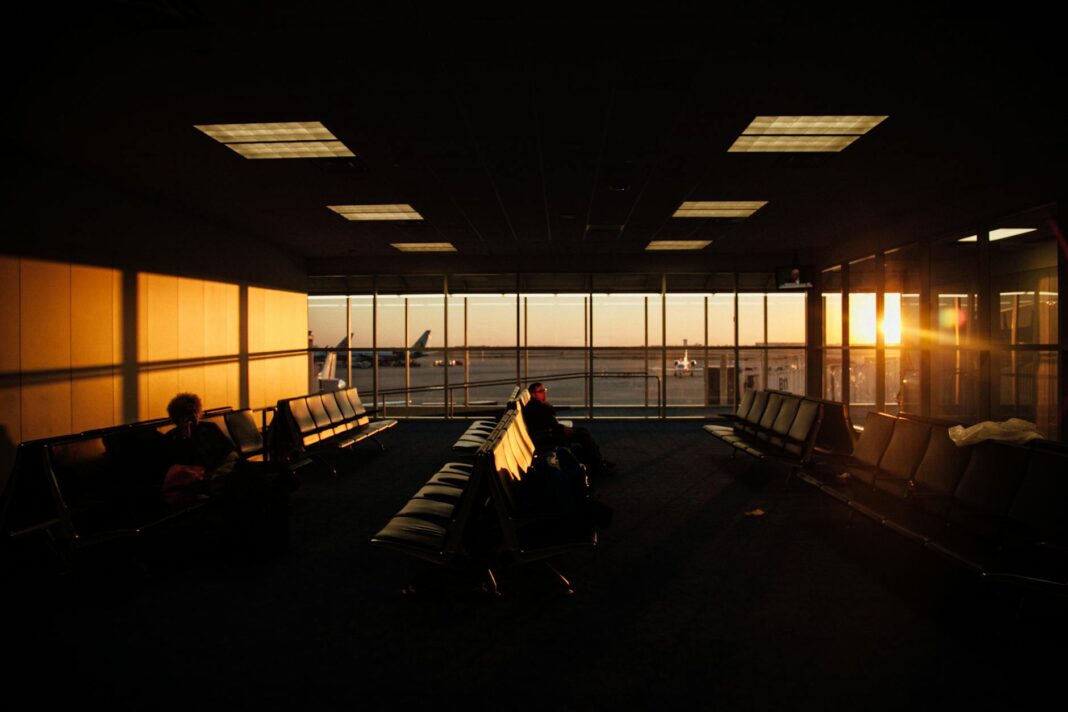
Burbank Airport’s Air Traffic Control Tower Goes Silent
In an unusual turn of events, Burbank Airport’s air traffic control tower is eerily empty. The reason? A government shutdown that’s causing chaos in the aviation sector. With air traffic controllers absent, the airport is left scrambling to manage flights remotely, leaving both travelers and airport officials on edge. The sight of an unstaffed control tower is not just uncanny; it’s a stark reminder of how quickly normal operations can be disrupted by political decisions.
What Led to This Unprecedented Situation?
This shutdown has its roots in complex political maneuvering, with tensions running high in Washington. Governor Gavin Newsom has openly attributed the delays and operational hurdles to the actions of former President Trump, igniting a firestorm of debate over accountability. While the blame game unfolds, everyday travelers are left grappling with long waits and uncertainty. The reality is that the ramifications of this shutdown are being felt far beyond the confines of a single airport; they ripple through the national air travel system, creating a domino effect of delays and cancellations.
The Impact on Travelers
For those attempting to catch flights, the situation is far from ideal. Long delays are becoming the norm, with reports of passengers waiting for hours without clear communication from airlines or airport officials. Travelers are forced to navigate a labyrinth of confusion, with screens displaying a mix of delayed and canceled flights. The usual hustle and bustle of the airport has turned into a chaotic scene where frustration hangs heavy in the air. Families, business travelers, and vacationers alike are all feeling the pinch, with many wondering if they’ll ever make it to their destinations.
Remote Air Traffic Control: A Temporary Solution
In an effort to manage the airspace effectively, authorities are attempting to control air traffic remotely. This solution, while innovative, is a temporary fix fraught with challenges. It raises serious questions about safety and efficiency, especially given that the personnel typically managing these operations are not on-site to handle issues as they arise. Remote control of air traffic is not typical, and the potential for errors increases with each passing hour. As the situation evolves, many are left wondering how long this arrangement can last before something gives. And let’s face it—air travel is already stressful enough without adding uncertainty about who’s actually in charge of the skies.
The Broader Implications for the Aviation Industry
This shutdown isn’t just a Burbank problem; it highlights vulnerabilities within the entire aviation infrastructure. With air traffic controllers absent, the risk of cascading delays grows exponentially. Airlines are now forced to re-evaluate their operational strategies, which may lead to longer-term changes in how flights are scheduled and managed. Stakeholders are left to ponder: what happens when this becomes the new normal? Will more airports face similar crises if government dysfunction continues? The aviation industry is built on reliability, and any disruption can tarnish its reputation.
Looking Ahead: What’s Next for Burbank Airport?
As the shutdown continues, Burbank Airport and its surrounding community are left in limbo. The uncertainty of when normal operations will resume looms large. Will the government resolve its issues before the disruption spirals further out of control? As travelers continue to face delays, one thing is clear: this situation demands attention and urgency. For those in charge, the challenge will be not just to restore normalcy but to ensure that such vulnerabilities are addressed to prevent future occurrences.
Questions
How are other airports managing the shutdown’s impact on air traffic?
What steps can be taken to prevent such situations in the future?
How are airlines communicating with passengers during these delays?