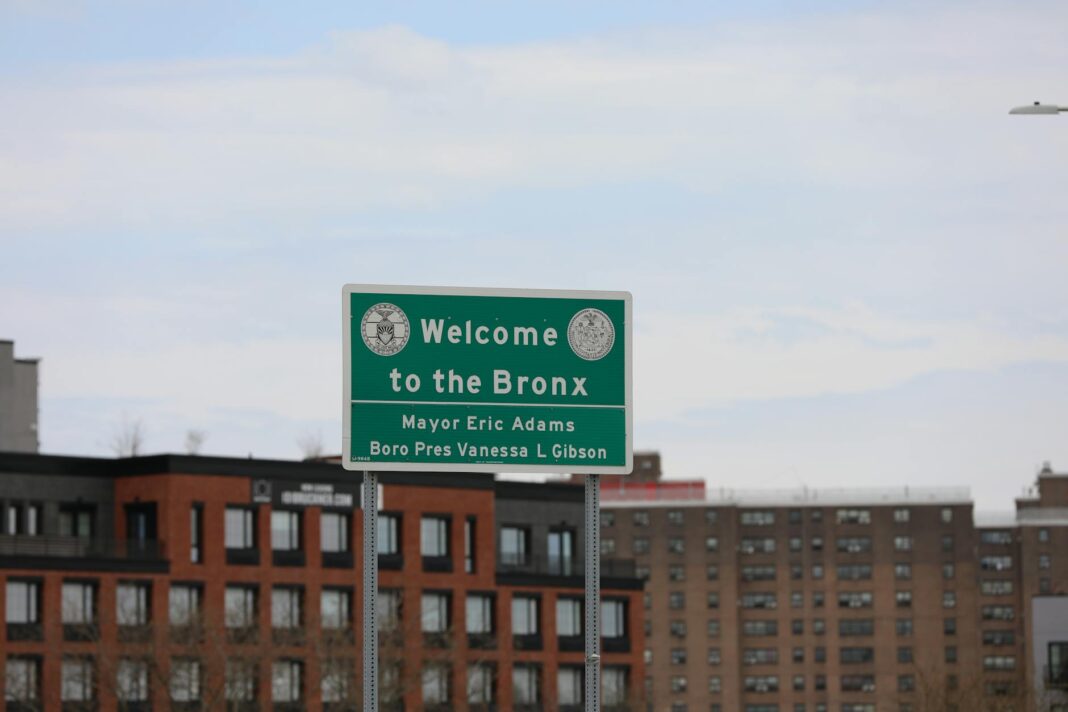
Eric Adams Exits the Race for Reelection
In a surprising turn of events, New York City Mayor Eric Adams has officially ended his campaign for reelection. The decision comes as a shock to many, especially considering the high stakes of the upcoming election and Adams’ position as an independent candidate. With the city’s challenges piling up, his departure from the race leaves questions about the future leadership of one of America’s largest cities.
The Independent Path
Running as an independent, Adams positioned himself as a bridge between the traditional Democratic stronghold and the more conservative constituents in the city. This unique angle was intended to attract a broad base of voters who felt alienated by the polarized political environment. However, the reality of campaigning as an independent in a city dominated by two-party politics is fraught with challenges. This strategy brought its own set of hurdles, from fundraising difficulties to voter outreach. The decision to withdraw suggests that the uphill battle was too steep, even for a mayor with a background in law enforcement and a public persona that resonated with many New Yorkers.
Implications for the Future
Adams’ exit from the race raises immediate concerns about who will step into the leadership void. With pressing issues such as crime, housing, and economic recovery still at the forefront, the next mayor will have to tackle these head-on. The announcement has sparked discussions about potential candidates who might emerge to fill the gap left by Adams. Names are already being floated, and speculation is rampant about who can unite the city’s diverse electorate under a common vision. The stakes couldn’t be higher; New York City is at a crossroads, and the next mayor will need to navigate these turbulent waters effectively.
A Legacy in Question
As Adams steps back from the electoral fray, the question of his legacy looms large. His tenure has been marked by both accomplishments and controversies. Critics have pointed to rising crime rates and public safety concerns as significant blemishes on his record. Just last year, the city experienced a surge in violent crime that left many residents feeling unsafe in their neighborhoods. While some argue that crime rates were a nationwide issue exacerbated by the pandemic, others believe that Adams failed to deliver on his promises of a safer city.
On the flip side, supporters argue that he has made strides in economic revitalization and community engagement. Initiatives aimed at improving small business support and job creation have seen some success, and his community policing strategies have garnered positive feedback from certain neighborhoods. Regardless of the perspective, his decision to end his reelection bid will undoubtedly shape how his time in office is viewed in the years to come.
The Political Landscape Ahead
Adams’ departure also shifts the dynamics of the election landscape. His unique position as an independent candidate may have drawn voters who typically wouldn’t participate in a Democratic primary. His exit opens the door for a more traditional party-centric race, and it will be interesting to see how the remaining candidates adjust their strategies to appeal to a broader voter base. The political landscape in New York City is notoriously complex, and navigating it requires not just charisma but also a clear and actionable plan to address the myriad issues facing residents.
Questions
What are the key challenges facing the next mayor of New York City?
Who are the potential candidates that might step up in the wake of Adams’ exit?
How will Adams’ decision impact city politics moving forward?