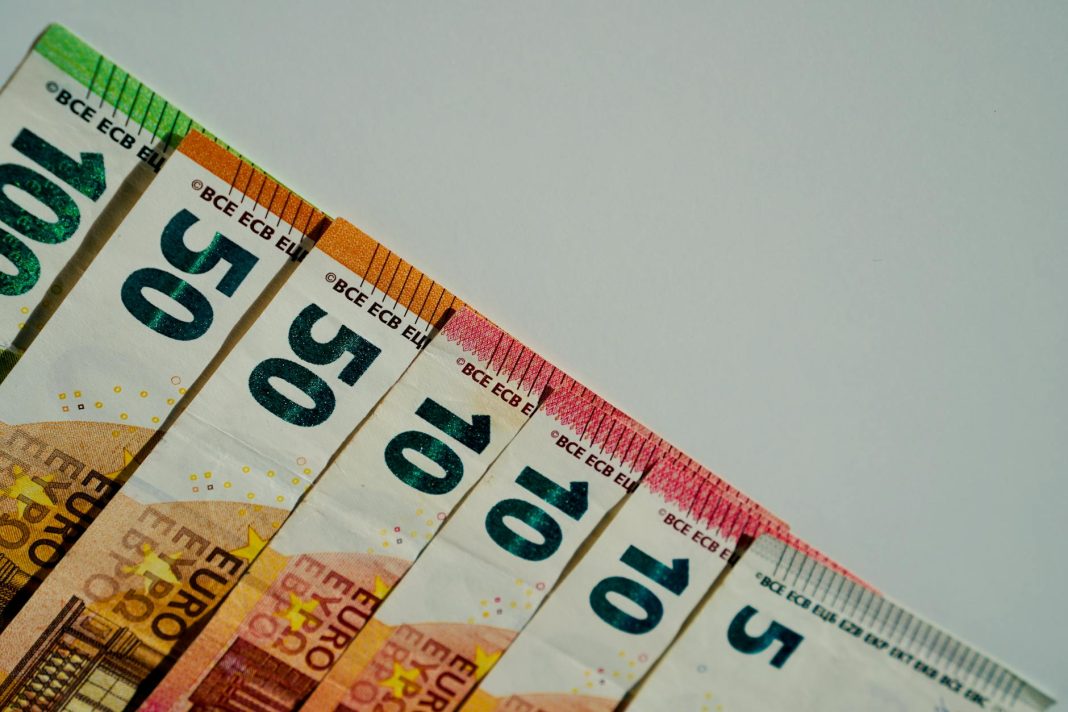
European Central Bank Highlights Vulnerabilities in EU Economy
The European Central Bank (ECB) has raised concerns regarding the European Union’s economic structure, particularly its heavy reliance on international trade. This dependence has been identified as a potential vulnerability in the face of global economic shifts and uncertainties.
In recent years, the EU economy has increasingly integrated into the global market, which has facilitated growth and access to a wider range of goods and services. However, this integration has also exposed the EU to various external risks, including geopolitical tensions, supply chain disruptions, and fluctuations in global demand. The interconnectedness of economies means that any significant changes in one region can have ripple effects across the EU, impacting economic stability and growth.
As global trade dynamics evolve, the EU faces challenges that could affect its economic resilience. Factors such as trade disputes, tariffs, and changing consumer preferences can lead to instability in trade relationships. Additionally, the ongoing effects of the COVID-19 pandemic have highlighted the fragility of supply chains, prompting a reevaluation of reliance on international sources for essential goods and services.
In response to these vulnerabilities, there is a growing discourse on the need for the EU to diversify its economic strategies. This includes exploring opportunities for domestic production and fostering innovation within member states. By reducing dependence on external markets, the EU could enhance its economic security and resilience against future shocks.
Furthermore, the ECB has emphasized the importance of maintaining a balanced approach to economic policy. This involves not only addressing immediate vulnerabilities but also preparing for long-term challenges posed by climate change, technological advancements, and demographic shifts. A comprehensive strategy that incorporates sustainability and innovation is essential for ensuring the EU’s economic future.
In conclusion, while the EU has benefited from its integration into the global economy, the current landscape presents significant challenges that require careful consideration and strategic planning. By acknowledging these vulnerabilities and taking proactive measures, the EU can work towards a more resilient and sustainable economic framework.