Controversy Brews Over Military Presence in Portland
In an unexpected turn of events, President Trump’s military order to deploy federal troops in Portland is drawing fierce backlash from local and state leaders. While the intention may have been to restore order in a city rife with unrest, many argue that this heavy-handed approach could jeopardize Portland’s ongoing recovery efforts. The situation is becoming increasingly polarized, with emotions running high on both sides of the debate.
The Local Perspective
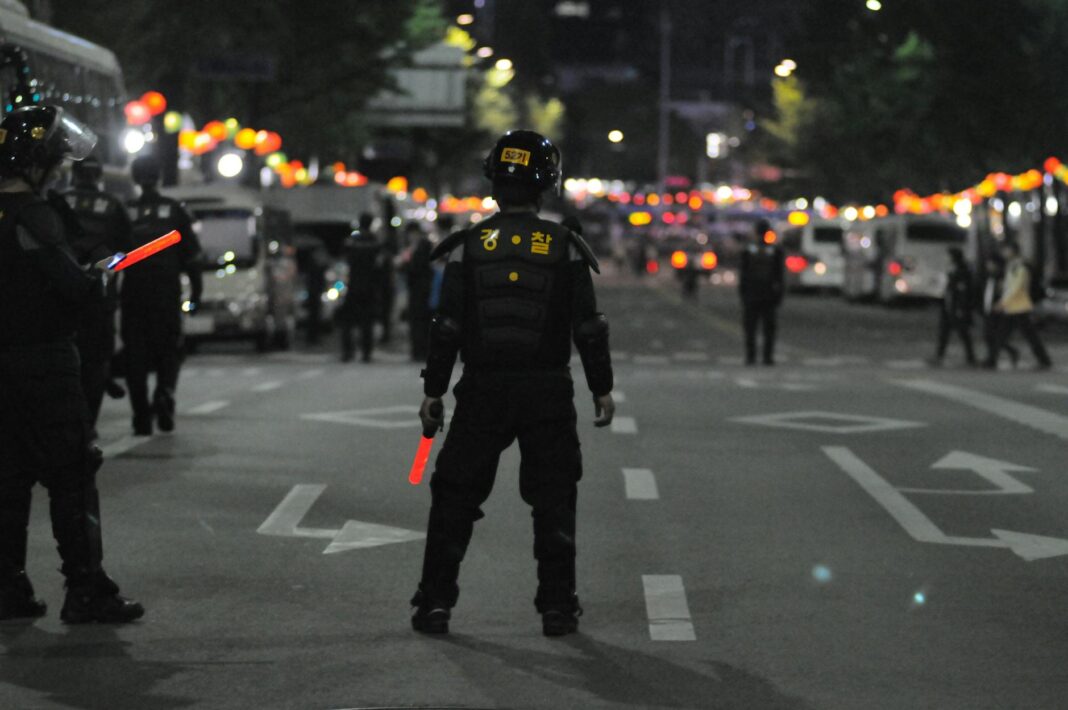
City officials and community leaders in Portland are expressing deep concerns about the implications of federal troops patrolling their streets. The deployment is seen as an infringement on local governance, with many arguing that local law enforcement should be the ones managing public safety, not federal forces. Their frustration stems not only from the potential for violence but also from the perception that these military personnel could escalate tensions rather than ease them. Local leaders argue that the presence of federal troops might send the wrong message, signaling distrust and further alienating residents who are already on edge.
Impact on Recovery Efforts
Portland has been working hard to heal from the chaos of recent protests and civil unrest. The last thing the city needs is a military presence that could reignite tensions. Local businesses, still struggling to recover from the financial fallout of the pandemic and protests, see the deployment of troops as an additional hurdle. The fear is palpable; many worry that the military presence could deter visitors and further damage the city’s reputation. A city that once thrived on its vibrant culture and community spirit now faces the potential of becoming a battleground.
Echoes of the Past
Portlanders have experienced their share of conflicts in the past, and the memories of clashes between protesters and law enforcement are still fresh. Many locals remember the images of tear gas and rubber bullets during previous protests. The prospect of federal troops returning to the streets stirs up anxiety and resentment. It feels like a step backward for a city striving to find its way forward. The calls for peace and understanding seem to be drowned out by the sound of military boots on the ground.
National Implications
This situation isn’t just about Portland; it’s a reflection of a broader national conversation about the role of federal authority in local matters. Critics argue that sending in federal troops undermines local governance and could set a dangerous precedent for state and federal relations. The potential for conflict between local officials and federal authorities raises serious questions about civil liberties and the appropriate use of military force in civilian areas. This scenario raises the stakes for not only Portland but also other cities grappling with similar issues.
What Comes Next?
As city leaders continue to voice their concerns, the question remains: how will the federal government respond? With protests expected to continue, the balance between maintaining order and respecting the rights of citizens will be critical. The stakes are high, and the potential for conflict is looming. Only time will tell if this military presence will calm the storm or exacerbate it. There’s a growing sense of urgency for a dialogue that addresses the root causes of unrest, rather than just the symptoms.
Community Voices
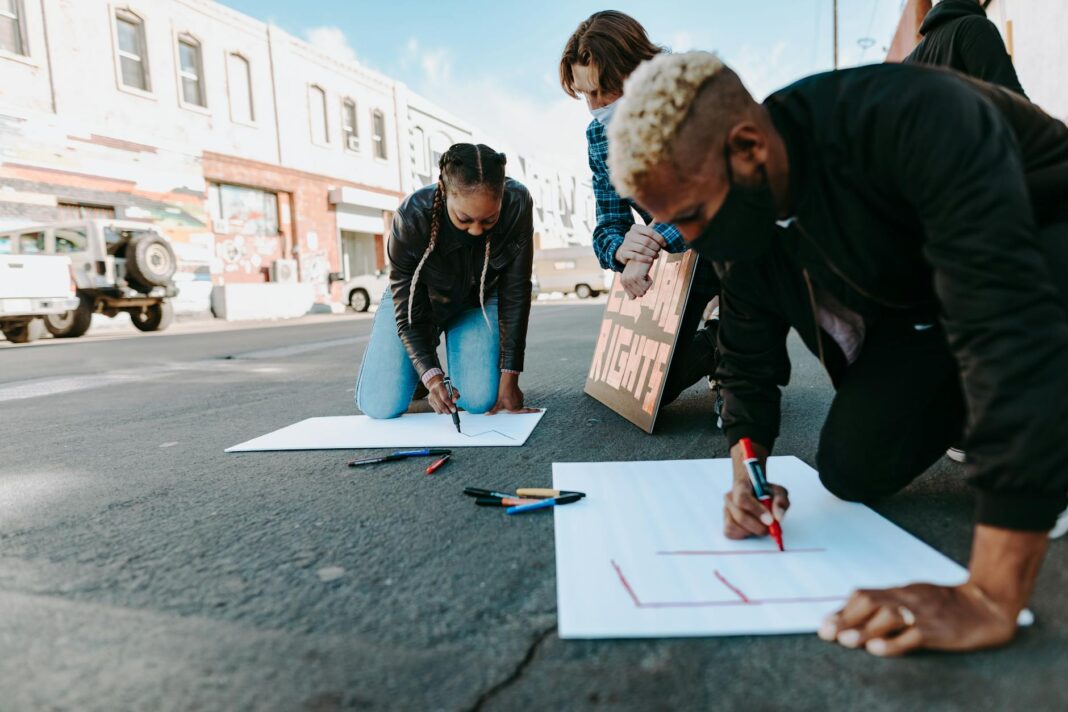
Amidst the tensions, community organizations are stepping up, urging a peaceful resolution and advocating for dialogue instead of division. Activists believe that the answer lies in addressing grievances and promoting understanding rather than deploying troops. The power of grassroots movements could play a pivotal role in shaping the future of the city. Engaging in conversations about social justice, economic opportunity, and community safety could pave the way for a more harmonious Portland.
Questions
What are the potential consequences of federal troops in Portland?
How might this military presence affect local businesses?
What steps can local leaders take to mitigate tensions?