

Introduction
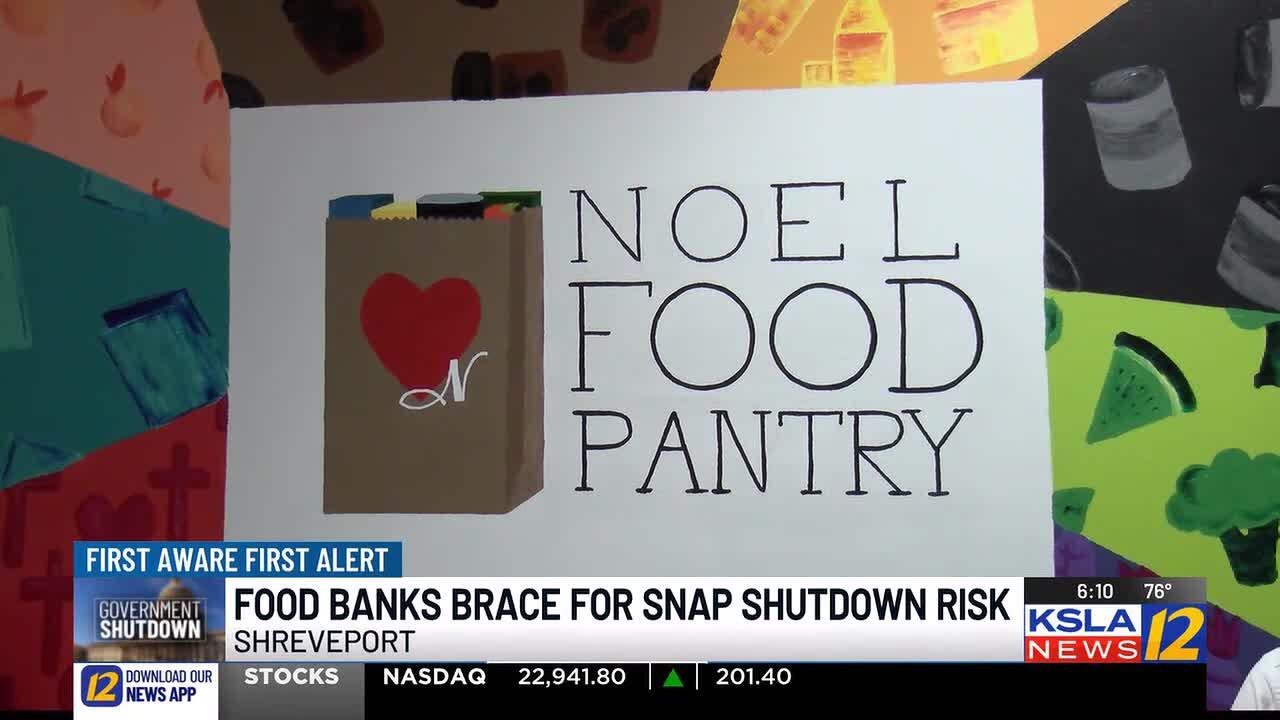
In the face of an impending Supplemental Nutrition Assistance Program (SNAP) shutdown, food banks across the ArkLaTex region are bracing for a potential surge in crime and legal complexities. The region, which includes parts of Arkansas, Louisiana, and Texas, relies heavily on SNAP benefits as a financial lifeline for many of its residents. With the looming threat of a disruption, communities are on high alert for the ensuing impact on public safety and legal systems.
Economic Hardship and Crime Correlation
The SNAP program, formerly known as food stamps, plays a crucial role in enabling millions of Americans to purchase essential groceries. In the socioeconomically challenged ArkLaTex area, a significant portion of the population depends on these benefits to survive. Research has consistently shown a link between economic hardship and increased crime rates, particularly theft and burglary. As individuals struggle to meet their basic needs, the potential withdrawal of SNAP benefits could drive some to desperate measures, increasing the likelihood of criminal activity.
Logistical and Legal Challenges for Food Banks
Food banks, already stretched thin by rising food costs and growing demand, face the daunting task of rapidly scaling their operations in the event of a SNAP shutdown. This necessity brings with it a host of logistical and legal challenges. Strict health and safety regulations must be adhered to, and additional personnel may be required to handle the increased workload, raising potential legal issues related to employment and volunteer management. The risk of civil unrest or protests also looms, as community members may feel neglected by authorities, further complicating the legal landscape.
Implications for Law Enforcement
Local law enforcement agencies are poised to face increased pressure as they navigate potential spikes in crime. Ensuring public safety while managing an uptick in criminal activity demands additional resources and coordination. Law enforcement will need to work closely with social services to address the root causes of any increase in crime, rather than relying solely on punitive measures. This holistic approach is vital to maintaining order and safety in the affected communities.
The Need for Proactive Policy Measures
It is imperative for policymakers to proactively develop contingency plans to mitigate the potential fallout from a SNAP shutdown. Emergency funding for food banks, streamlined legal processes for rapid response, and robust community outreach programs are essential components of an effective strategy. Collaboration between government agencies, non-profits, and law enforcement will be key to addressing the complex challenges posed by this scenario in the ArkLaTex region.
As the situation unfolds, the ArkLaTex community must remain vigilant and prepared to tackle the multifaceted issues arising from a potential SNAP disruption. Addressing these challenges head-on will be crucial to safeguarding both the wellbeing of individuals and the overall safety of the community.